


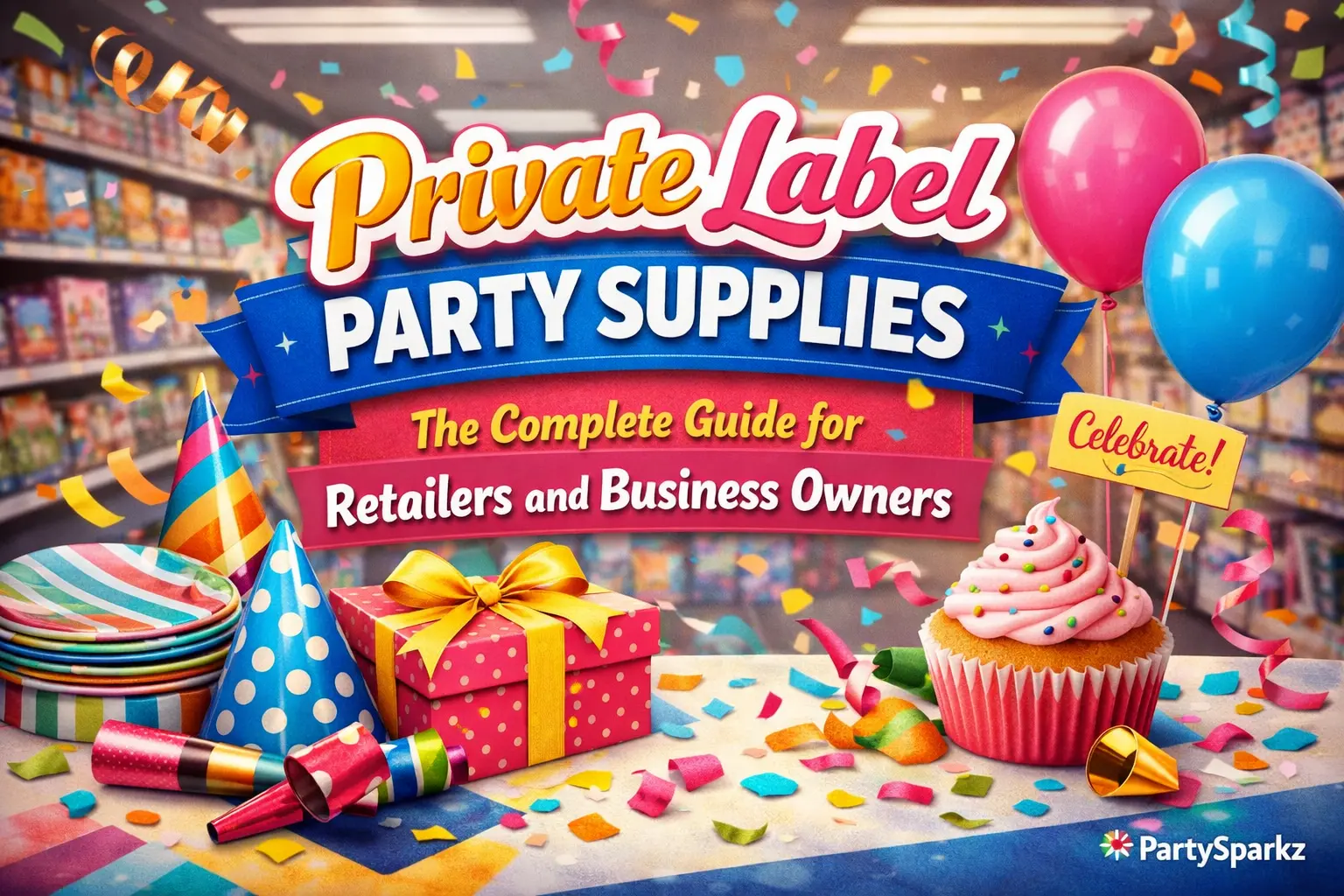
What are private-label party supplies? Private label party supplies are products manufactured by a third-party factory and sold under your own brand name, logo, and packaging. You control the branding, pricing, and distribution, and the manufacturer handles production. It’s one of the most effective ways for retailers, Amazon sellers, and event businesses to build a recognizable brand with better profit margins.
If you’ve been reselling someone else’s party supplies long enough, you already know the frustration. Thin margins. Products your competitor stocks too. Zero brand recognition for all the work you put in.
Private label party supplies change that.
You choose the products. You put your name on them. You control the price. The factory manufactures everything, but your brand gets all the credit.
This guide covers everything you need to know: what private labeling actually means, who it’s right for, how the process works, what products make the most sense, and how to find a manufacturer worth trusting. No fluff, no filler, just what you need to make a smart decision.
What Are Private Label Party Supplies?
Private label party supplies are products manufactured by a third-party factory but sold under your own brand name, with your logo, your packaging design, and your price tag.
To your customer, the product is yours. They see your brand on the box, your colors on the packaging, your name on the label. The factory that made it stays completely invisible.
You’ve already bought private-label products without realizing it. Store-brand groceries, pharmacy-label vitamins. A manufacturer makes the product. A retailer brands and sells it.
In the party supply industry, private labeling works the same way. A factory that already produces:
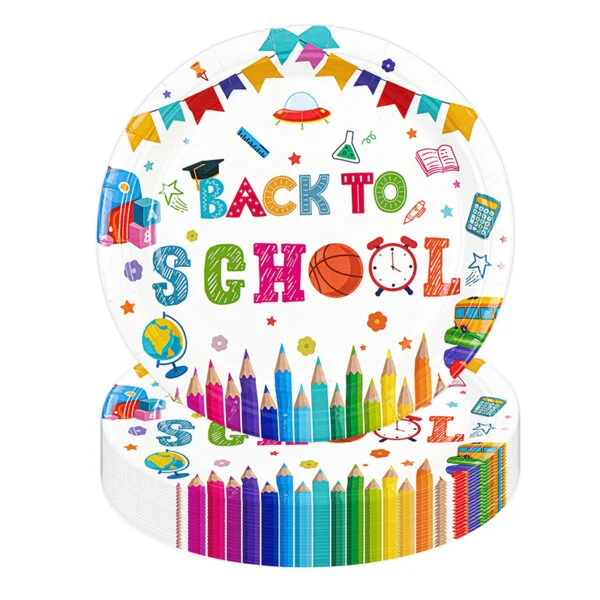
Wholesale party premium tablecloths
And cake toppers manufacture the goods. You apply your brand. You sell them as your own.
What this looks like in real life:
Imagine Sarah runs a small party supply store in her city. She’s been buying branded paper plates and tablecloths wholesale for two years decent sales, but margins are thin, and every competitor stocks the same products.
She decides to private-label her top three sellers: paper plates, tablecloths, and gift bags. She works with a factory-direct supplier, shares her logo and color palette, approves samples, and places her first order of 500 units per product.
Three months later, those same products now carry her store’s name. She charges a slightly higher price because the packaging looks premium and the products feel exclusive. Customers can’t find them anywhere else. Her repeat purchase rate goes up. And when someone posts a party photo on Instagram, Sarah’s brand name is literally on the table.
That’s private labeling in practice, nothing complicated, just your brand on quality products you didn’t have to manufacture yourself.
Private label vs. white label vs. custom manufacturing: what’s the difference?
These three terms get confused a lot. Private label means you’re branding an existing product that a manufacturer already makes. White label is essentially the same thing as a generic product with your branding applied. Custom manufacturing means you’re designing a product from scratch, with unique shapes, materials, or features that don’t exist yet. Most retailers start with private labeling because it’s the lowest barrier to entry and the fastest route to a branded product line.
Who Should Consider Private Label Party Supplies?
Private labeling is not only for large retail chains. Here’s who actually benefits:
1. Retail store owners who want to stock products that no competitor can copy. When you carry your own brand, customers can’t find those exact products anywhere else, which removes price comparison from the equation entirely.
2. Amazon and e-commerce sellers are competing in a marketplace where generic products race to the bottom on price. Your branded listing is the only one. You control the price. Margins stay healthy.
3. Event planning companies that want every table, balloon arch, and favor bag to carry their brand name. Branded party supplies are marketing that your clients’ guests take home from every event.
4. Supermarkets and chain retailers with seasonal party supply sections. For wholesale party supplies for retailers, private label allows them to offer differentiated products at competitive prices while protecting their own-brand margins.
5. Wholesalers and distributors who want a product line they fully own with exclusivity, pricing control, and the ability to supply branded goods to their own B2B clients.
New eCommerce entrepreneurs who want to launch a product business without building a factory. Private labeling lowers that barrier significantly. You need a brand identity, a manufacturer relationship, and a sales channel. That’s it. So the thing is, businesses that are looking for wholesale party decoration supplies have opportunities in private label. Wholesale party supplies price is different for everyone and for each product.
6 Real Benefits of Private Labeling Your Party Supplies

1. Better Profit Margins
When you buy branded party supplies wholesale, you’re paying the manufacturer’s margin plus the brand’s markup on top. With a private label, you go directly to the factory. You pay the production cost, set your own price, and keep the full margin in between.
On party supply staples like paper plates, tablecloths, or balloons, this margin difference can be substantial, often 30 to 60 percent better per unit compared to reselling a national brand.
2. Complete Control Over Branding and Pricing
You decide what the packaging looks like. You set the price. You can redesign for a new season, run a promotion, or reposition the product for a different customer segment without asking anyone’s permission. No brand guidelines to follow. No minimum resale price restrictions to worry about.
3. Genuine Product Exclusivity
Your customers cannot buy your branded products anywhere else. That’s an exceptionally powerful retail position. It builds loyalty, discourages price shopping, and lets you hold premium pricing with confidence. When someone recommends your party plates to a friend, there’s only one place to buy them: your store.
4. You Build Your Brand Equity, Not Someone Else’s
Every product you sell with your name on it builds recognition. Guests at a party decorated with your branded supplies see your name. Customers who loved your paper plates come back to your store for premium party napkins and tablecloths. Over time, your brand becomes associated with quality party supplies, and that reputation is a real, valuable business asset.
5. Direct Quality Control
Working directly with a factory means you can set quality standards upfront, review samples before production begins, and reject anything that doesn’t meet your requirements. If a tablecloth prints incorrectly, you catch it before your customers do. That level of oversight isn’t always possible when ordering from a reseller or third-party distributor.
6. Flexibility to Start Small and Grow
You don’t need to private-label your entire product range overnight. Most successful retailers start with three to five top-selling products, the ones with the best volume and margin potential, and expand from there. Private label and wholesale can coexist in the same store. You build the branded line gradually while wholesale fills the gaps.
Must read – easter door decoration ideas for school, and order easter wholesale decoration supply, with personalised logo and theme.
How the Private Label Process Works: Step by Step

The process is more straightforward than most people expect. Here’s what it looks like in practice.
Step 1: Define your product line and niche
Start by deciding which products you want to brand. Are you focused on birthday party supplies? Event decor? Seasonal collections? Narrowing your focus helps you build a coherent brand identity and negotiate better terms on fewer SKUs rather than spreading your investment thin across dozens of products.
Step 2: Find and vet a manufacturer
You need a factory with proven experience in party supply production, reasonable minimum order quantities, and clear customization capabilities. Factory-direct suppliers offer the best pricing and most direct communication—more on how to evaluate them below.
Step 3: Share your brand assets and packaging requirements
Provide your manufacturer with your logo files, brand color codes, any text that should appear on packaging, and your design preferences. A good factory partner will have a design team available to help translate your brand into production-ready artwork.
Step 4: Review samples before committing
Never skip this step. Request physical samples with your branding applied. Check print quality, color accuracy, material quality, and packaging integrity. This is your opportunity to catch issues before you’re committed to a full production run. No reputable manufacturer will refuse a sample request.
Step 5: Place your production order
Once samples are approved, confirm quantities, agree on production timelines, payment terms, and shipping arrangements. For your first order, start with a manageable quantity enough to test the market without overcommitting capital before you know how the product sells.
Step 6: Receive, inspect, and launch
When goods arrive, inspect a sample of units before putting them on shelves or going live online. Then launch and collect customer feedback that will shape your next order or product development decision.
A note on lead times: Production of private-label party supplies from a China-based factory typically takes 2 to 5 weeks, with international shipping adding 2 to 4 weeks, depending on your destination. Planning orders well ahead of peak seasons, birthday spikes, holiday windows, and graduation periods can all create supply pressure if you leave ordering too late.
Best Party Supply Products to Private Label
Not every product has equal private label potential. The strongest candidates combine high repeat purchase rates, strong visual differentiation opportunities, and consistent demand across occasions.
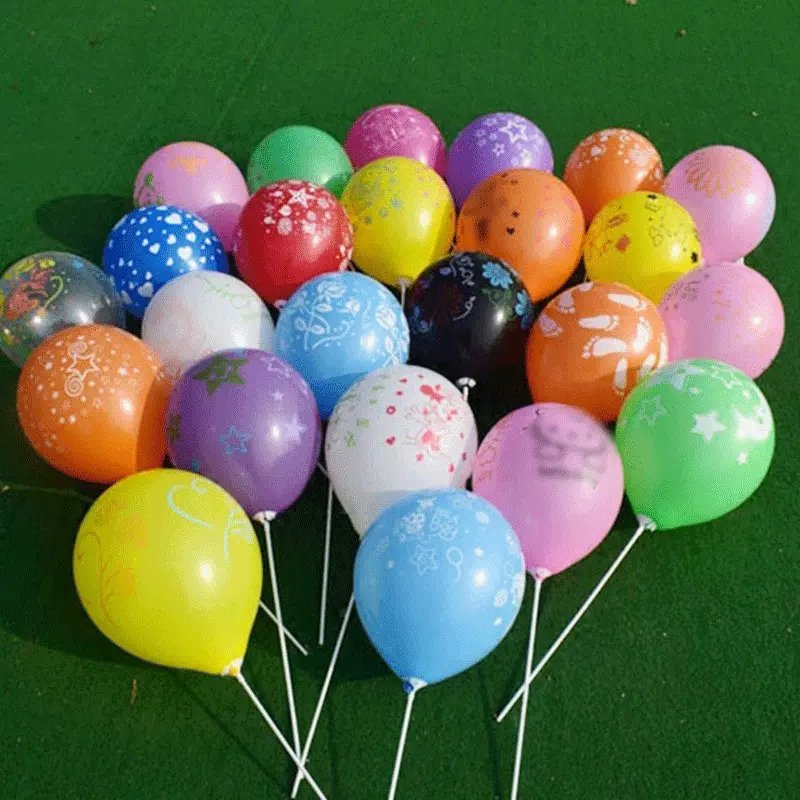
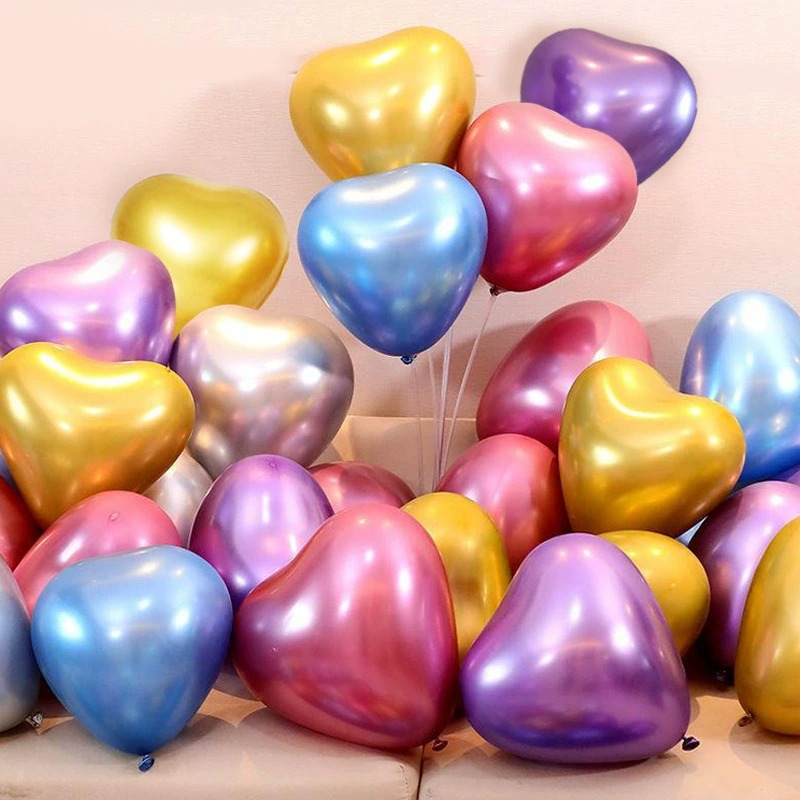
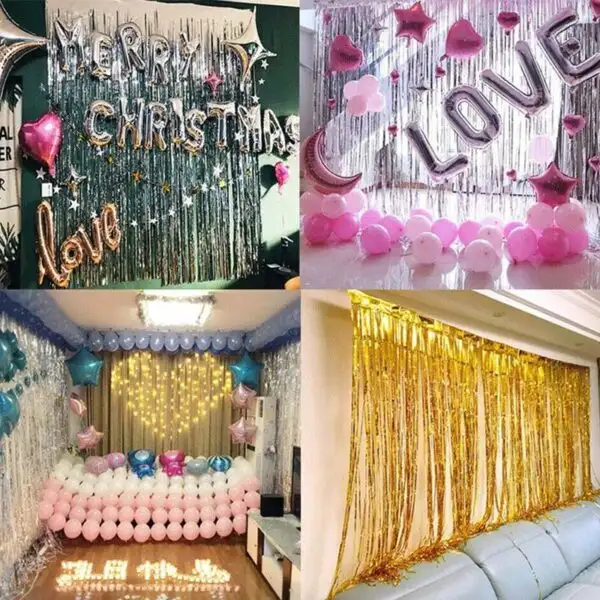
- Balloons (foil and latex) are at the top of the list. Highly customizable in shape, color, and message. Strong demand across all aluminum birthday balloons, weddings, baby showers, and graduations. A branded balloon arch or bouquet is visible and shareable, great for brand exposure at events.
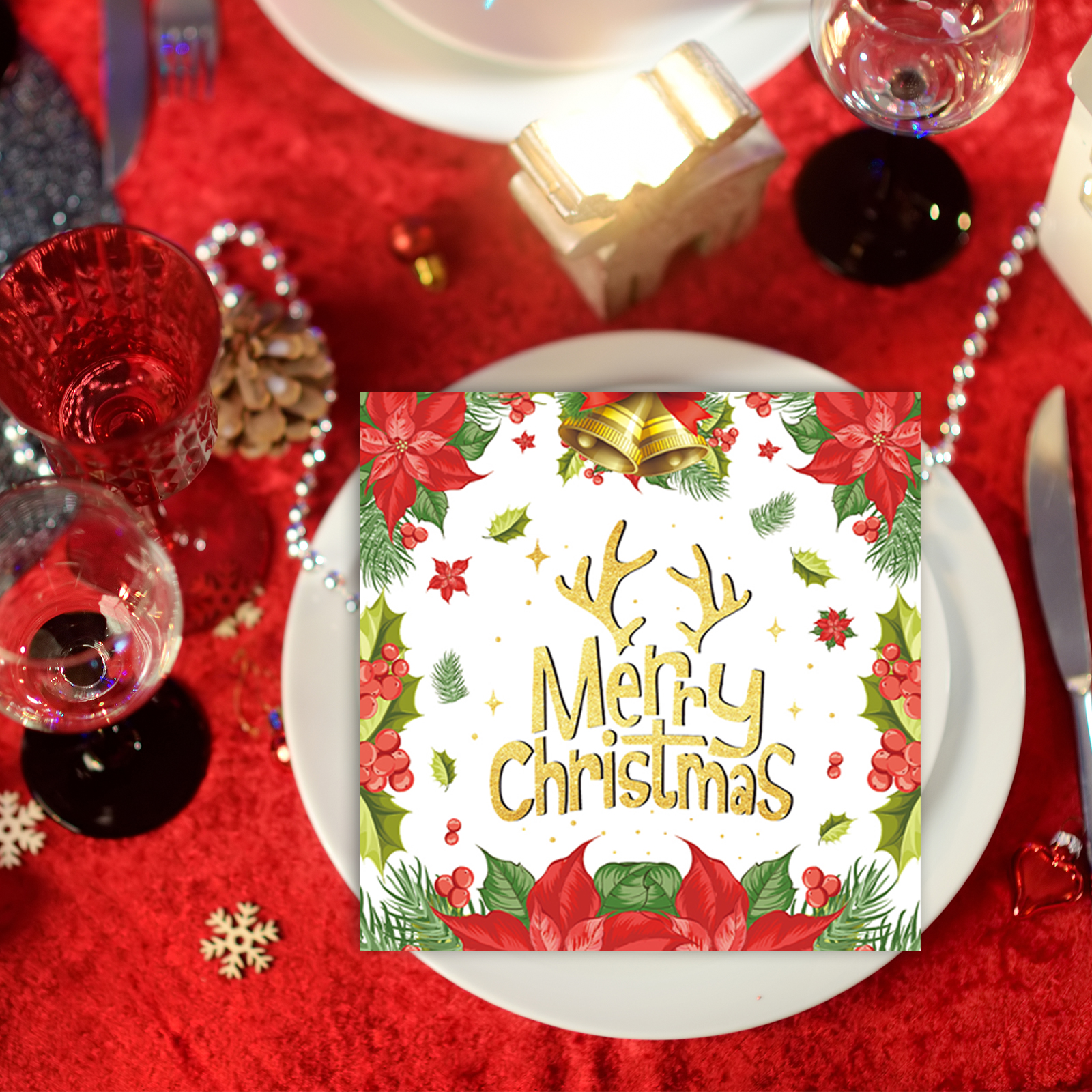
- Paper plates and napkins are high-volume, high-repeat purchases. Custom print designs stand out immediately at retail. Customers who love a design come back for matching napkins, cups, and tablecloths, making these natural anchor products for a wider branded range.
- Tablecloths offer strong packaging differentiation. Easy to brand by color and theme. Consistent demand across all celebration types, including corporate events and catering, which expands your potential customer base beyond individual consumers.
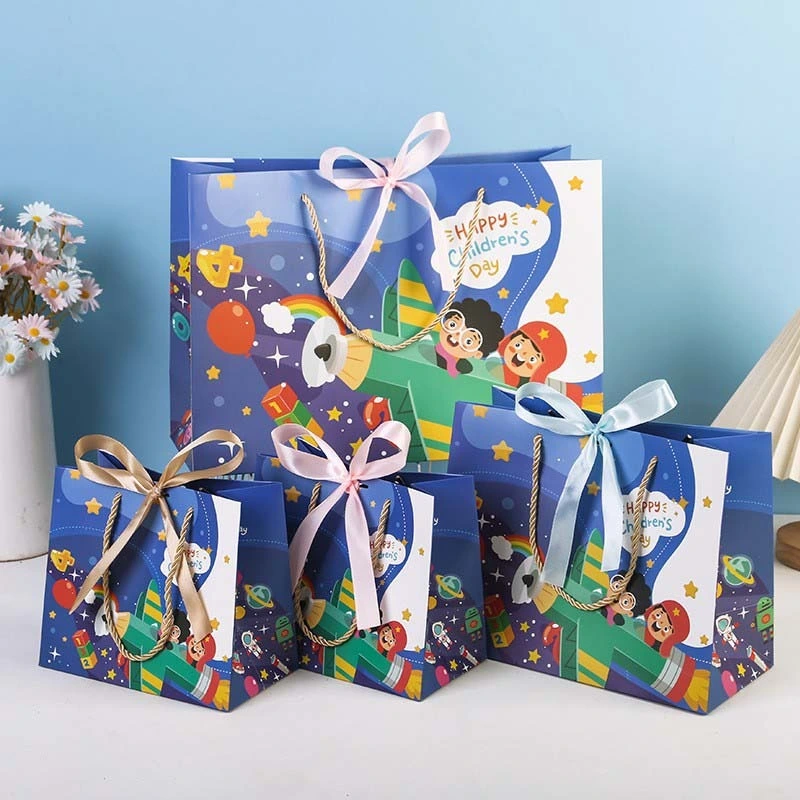
- Gift paper bags are visible at every event and in every guest’s hand. Seasonal design variations, such as Christmas paper bags, Valentine’s Day, birthdays, and weddings, give you a reason to refresh the line regularly and keep the brand visible year-round.
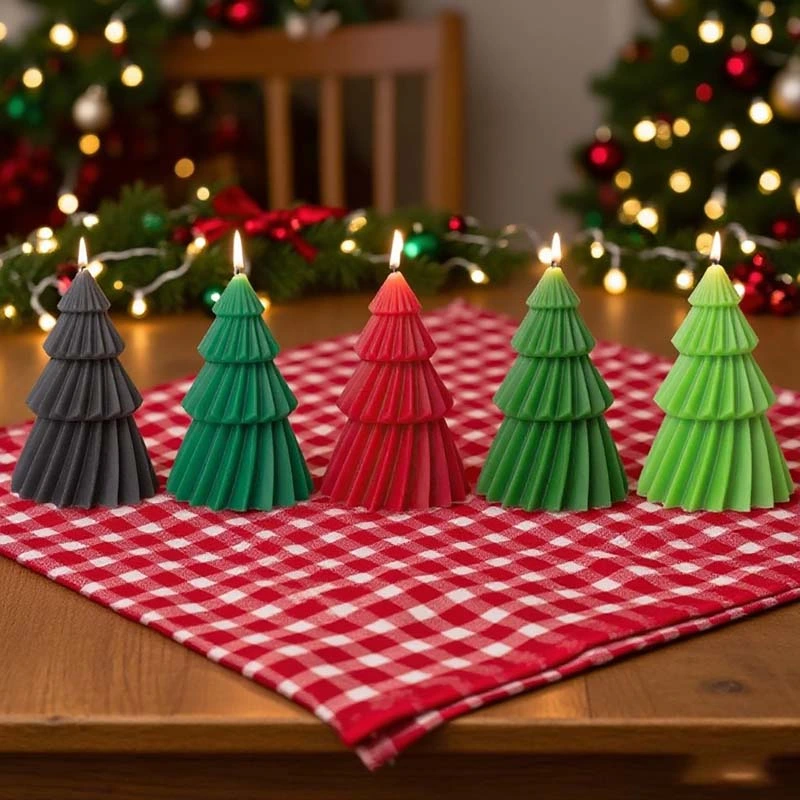
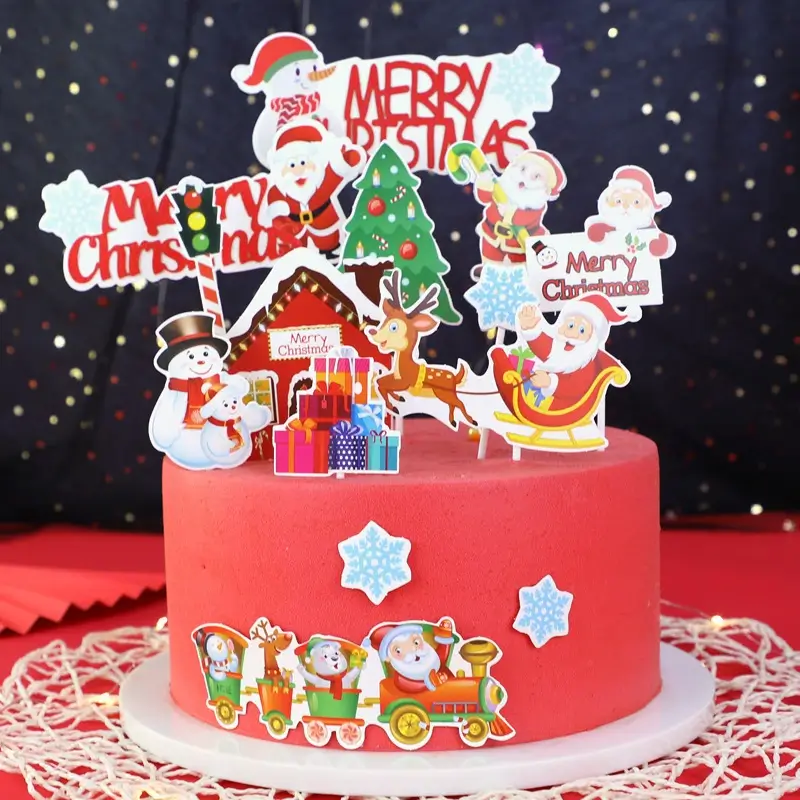
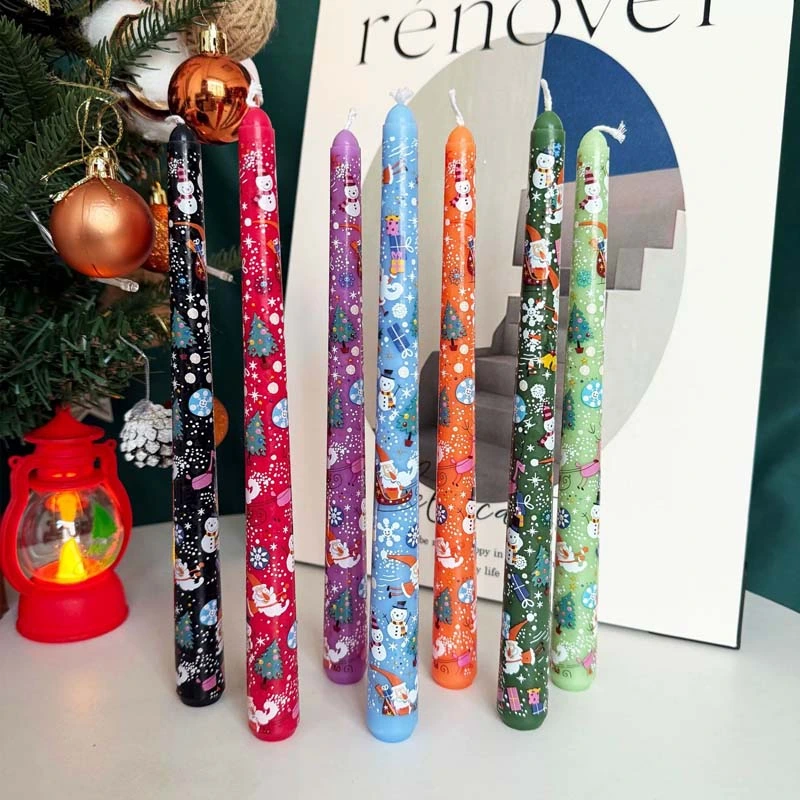
- Cake toppers and decorative candles sit in a slightly more premium segment. Themed designs can be highly distinctive and photograph well, making them popular for social sharing, which is free marketing for your brand every time a customer posts their cake online.
- Banners and backdrops are high-perceived-value items. A branded backdrop at a party is the backdrop for every photo taken there. Strong upsell opportunity for retailers who serve event planners or party stylists.
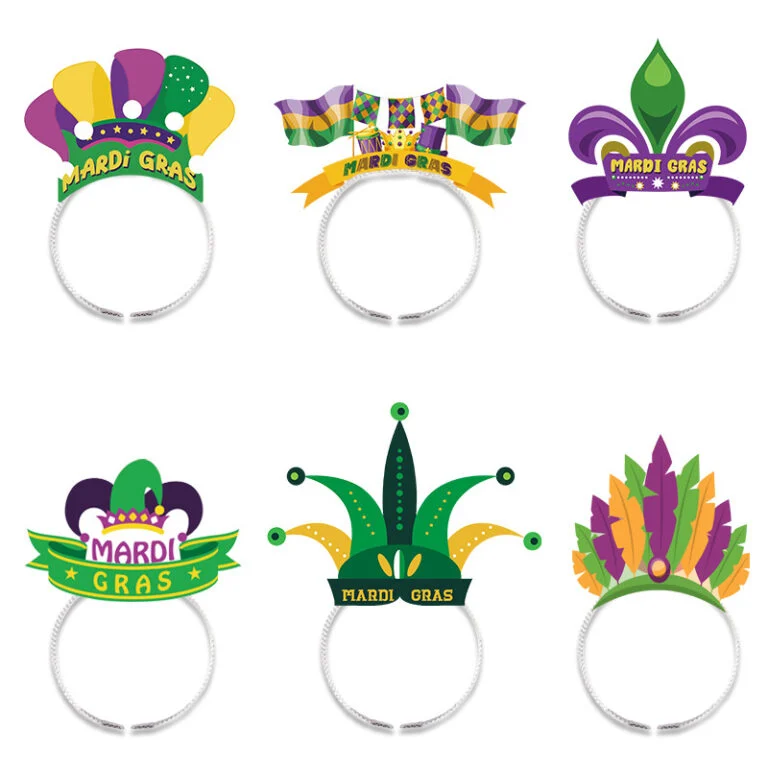
- Party hats, headbands, and accessories are lower-cost entry points for private labeling. Fun, wearable, and highly visible at events.
The smartest starting approach: pick one high-volume, visually strong category as your flagship private label product. Master that supply chain. Then expand into complementary categories as confidence and cash flow allow.
How to Choose the Right Private Label Manufacturer?

This is the most important decision you’ll make in the entire process. A great manufacturer makes everything smooth. The wrong one costs you time, money, and customer trust.
Here’s what to evaluate:
- Industry experience. Look specifically for manufacturers experienced in party supply production not just general printing or packaging. Party supplies have unique requirements around materials, bright color reproduction, and seasonal volume swings.
- Customization capabilities. Can they accurately reproduce your logo, color palette, and packaging design? Ask to see examples of previous private label work they’ve done for other clients. A manufacturer who handles this daily has clear processes and defined requirements.
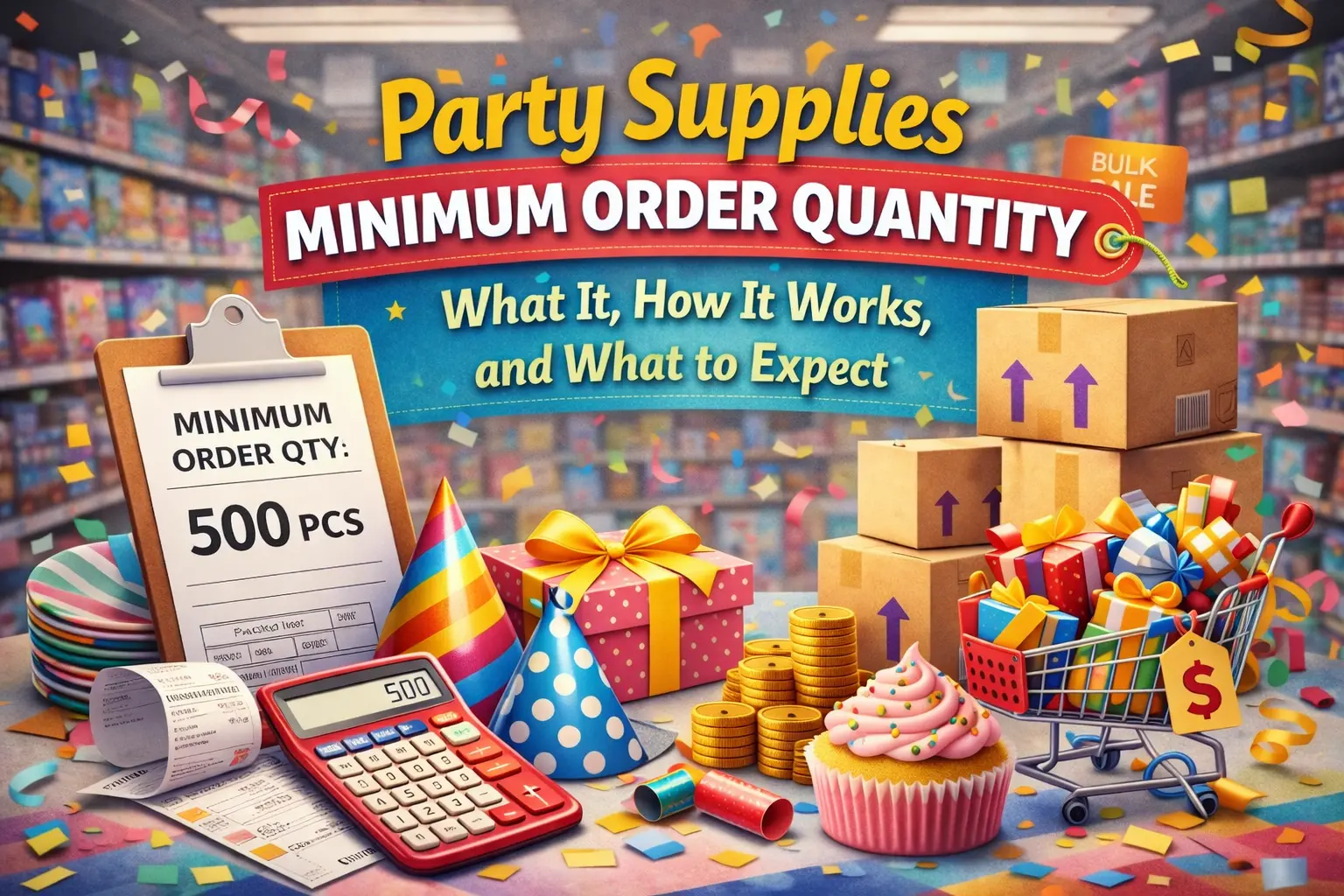
- Minimum order quantity flexibility. High MOQs can be a dealbreaker for new businesses testing a product. Look for manufacturers willing to work with lower quantities on initial orders, with the expectation that volumes grow as the relationship develops.
- Sample availability. Any credible manufacturer offers samples. Be cautious of factories that make sampling unnecessarily difficult or expensive — that can signal quality control issues they’d prefer you discover after placing a large order.
- Production lead times. Understand typical timelines and whether rush orders are possible during peak seasons. Ask about capacity and how the factory handles high-demand windows.
- Communication responsiveness. Fast, clear communication is essential in international sourcing. Test response times before you commit to an order. A manufacturer who takes three days to reply to a pre-sales inquiry will also take three days to flag a production problem, often too late to fix it.
- Logistics support. Suppliers who assist with customs documentation, freight coordination, and delivery tracking significantly reduce your operational burden, especially for first-time importers.
- References and reputation. Ask for references from existing private label clients. Look for verified reviews, trade show presence, and any third-party audit certifications. The party supply industry has manufacturers with visible, public track records you can research.
MOQ Rough Range
As a rough guide, most party supply manufacturers set MOQs somewhere between 100 and 500 units per SKU for simpler products like paper plates, tablecloths, and gift bags. More complex items, such as custom foil balloons or multi-component cake decoration sets, may require 500 to 1,000 units minimum. Some factory-direct suppliers like PartySparkz offer flexible MOQs for new clients, especially when you’re ordering across multiple product categories in the same shipment.
Challenges to Plan For Before You Start
Private labeling is a strong business strategy, but it comes with real challenges. Go in with clear expectations.
- Supply chain concentration risk. If you rely entirely on one manufacturer, their problems become yours. Consider having backup options, even if it means occasionally sourcing generic products to fill gaps during disruptions.
- Upfront capital requirements. Private labeling requires investment before your first sale, including design work, sample costs, and minimum order quantities. Know your market before committing to large production runs. Start lean, prove demand, then scale.
- Time and management overhead. Coordinating with manufacturers, reviewing artwork, approving samples, and managing logistics takes meaningful time. If you’re running a small operation, assess honestly whether you have the bandwidth or whether bringing in additional support makes sense.
- Quality issues reflect on your brand directly. When quality is excellent, customers love your brand. When it fails, they blame your brand. Rigorous sampling and pre-shipment inspection are non-negotiable. Don’t skip them to save time.
- Design and artwork requirements. Manufacturers need print-ready files with the correct formats, CMYK color mode, and appropriate resolution. Subpar artwork leads to subpar products regardless of how good the factory is. If you don’t have a designer, invest in one before placing your first order.
- Inventory forecasting. Private label often requires ordering further ahead than wholesale replenishment. Overstocking ties up cash; understocking loses sales. Good sales data and seasonal planning become genuinely important once you’re managing your own branded inventory.
Private Label vs. Wholesale: Which Is Right for You?
These two strategies are not competitors; they work best together. Here’s how to think about when each makes sense.
Private label makes more sense when
You want to build a recognizable store brand, you have consistent demand for specific product types, margins on wholesale products are too thin, you’re competing on Amazon or another marketplace where exclusivity matters, and you’re ready to invest time in a manufacturer relationship.
Wholesale makes more sense when
You’re just starting and testing which products actually sell, you need to fill out a broad product range quickly, you have limited upfront capital, or the product category is a commodity that doesn’t justify branding investment.
The practical approach most successful party supply retailers use: start wholesale to test demand and understand which products move fastest, then introduce private label versions of your top performers. You validate demand before committing to branded inventory. The two approaches support each other.
What to look for in a private label partner and how PartySparkz fits that picture
After going through everything above, the clearest takeaway is this: the manufacturer you choose matters more than almost any other decision in the private label process. You need someone who communicates fast, delivers consistent quality, and treats your brand with the same care you do.
PartySparkz is a factory-direct wholesale and private label supplier based in Hefei, Anhui, China, one of the country’s established party supply manufacturing regions. The product range covers balloons, paper plates, tablecloths, cake decorations, gift bags, banners, wearable accessories, and more, which means you can build a broad private label range from a single supplier relationship rather than juggling multiple factories.
What makes the working relationship practical: flexible MOQs for new clients, in-house design support for packaging and branding, dedicated account management, and a track record supplying retailers, wholesalers, and supermarkets across multiple markets.
If you’re at the stage of evaluating suppliers, it costs nothing to request a catalogue or get a quote. That’s usually the fastest way to see whether the pricing, product range, and communication style are the right fit for your business.
Final Thoughts
Private label party supplies give you something that wholesale never can: a brand that belongs to you, margins you control, and products no competitor can copy directly.
The learning curve is real but manageable. Start with a small range of high-demand products. Find a manufacturer you trust. Insist on samples. Plan your inventory around lead times. Combine private label with wholesale while you build.
The retailers and eCommerce sellers who build the strongest party supply brands over the next few years will be the ones who start building their own product line today — not waiting until margins get squeezed any further.
If you’re ready to explore private labeling for your business, PartySparkz works directly with retailers, wholesalers, and e-commerce sellers on custom-branded party supply programs. Factory-direct pricing, flexible MOQs, and a dedicated account manager for every client.
Frequently Asked Questions
What are private-label party supplies?
Products manufactured by a third-party factory but sold under your own brand name, logo, and packaging. The manufacturer produces the goods; you brand and sell them.
What is the minimum order quantity for private-label party supplies?
MOQs vary by manufacturer and product. Generally, expect higher MOQs for more complex products and lower MOQs for simpler items like paper plates or tablecloths. Always negotiate with many manufacturers, who will accommodate lower initial quantities for new clients.
How long does production take?
Typically, 2 to 5 weeks for production after artwork approval, plus 2 to 4 weeks for international shipping. Plan well ahead for seasonal peaks.
Can I get a sample before placing a bulk order?
Yes, and you should always insist on it. Any reputable manufacturer will provide samples with your branding applied before a production run begins.