


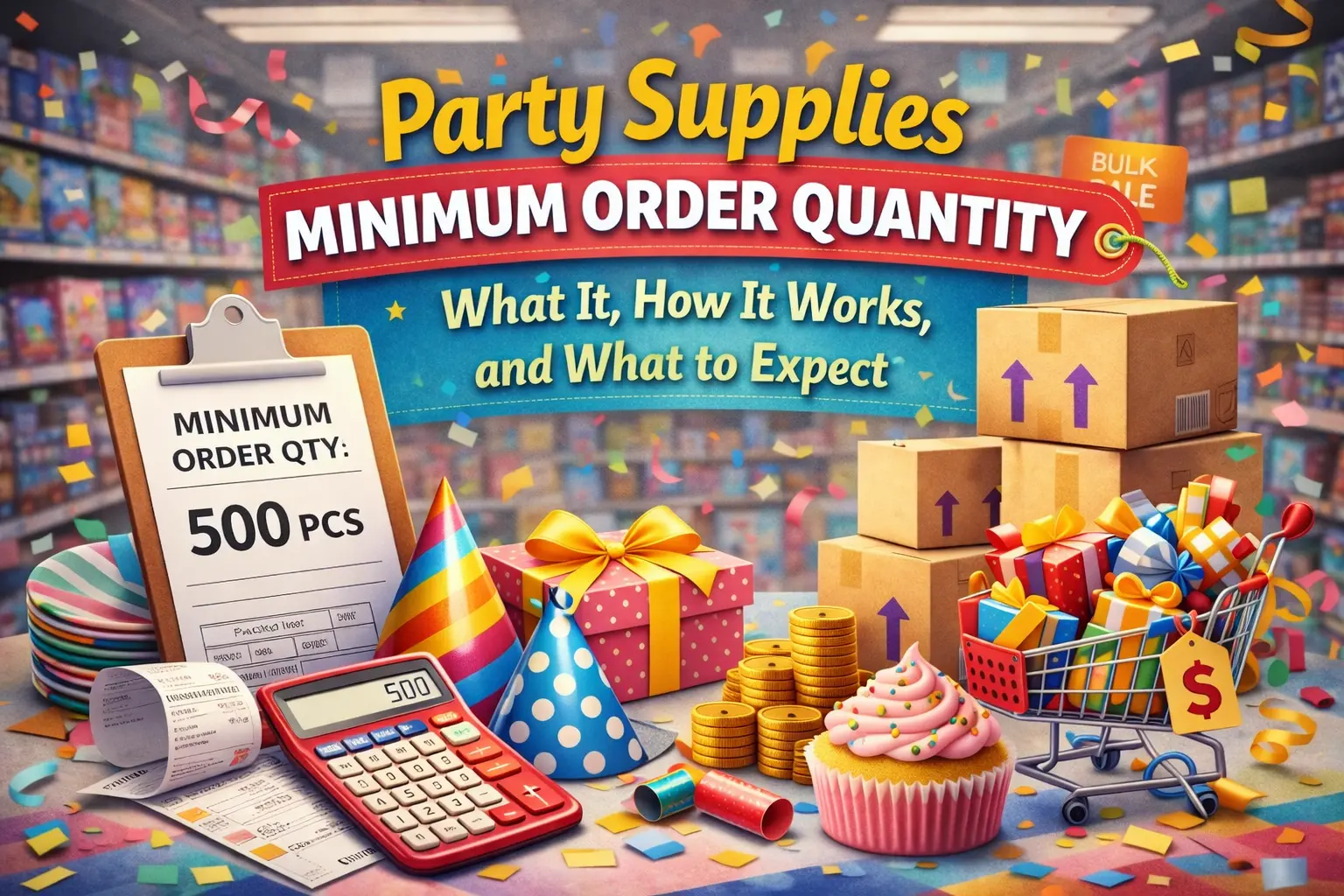
The minimum order quantity (MOQ) for party supplies typically ranges from 100 to 1,000 units per SKU, depending on the product type, supplier, and level of customization. Simple products like latex balloons and paper napkins tend to have lower MOQs. Custom-printed or private-label products generally require higher quantities. MOQs are often negotiable, especially with factory-direct suppliers.
You’ve found a wholesale party supply supplier you like. The products look good. The prices seem reasonable. And then you see it. MOQ: 500 units.
You’re not sure if that’s normal. You’re not sure if you can commit to that many. And you’re definitely not sure if it’s negotiable.
If that sounds familiar, you’re in the right place.
Minimum order quantity is one of the most misunderstood concepts in wholesale buying, especially for people new to sourcing party supplies in bulk. It sounds more complicated than it is. And once you understand how it actually works, supplier conversations become much easier and a lot less intimidating.
This guide explains exactly what MOQ means, why it exists, what typical MOQ ranges look like specifically for party supplies, how MOQ connects to pricing, and how to handle situations where the MOQ feels too high for where your business is right now.
PartySparkz examples are used throughout, not as a sales pitch, but because real numbers from a real supplier are more useful than hypothetical ones.
What Does MOQ Stand For?
MOQ stands for Minimum Order Quantity. It’s the smallest number of units a supplier will produce or sell in a single order.
That’s it. That’s the whole definition.
When a supplier lists MOQ: 300 units next to a product, they’re saying: the smallest order they’ll accept for that product is 300 pieces. You can order 300, 500, or 1,000, but not 50.
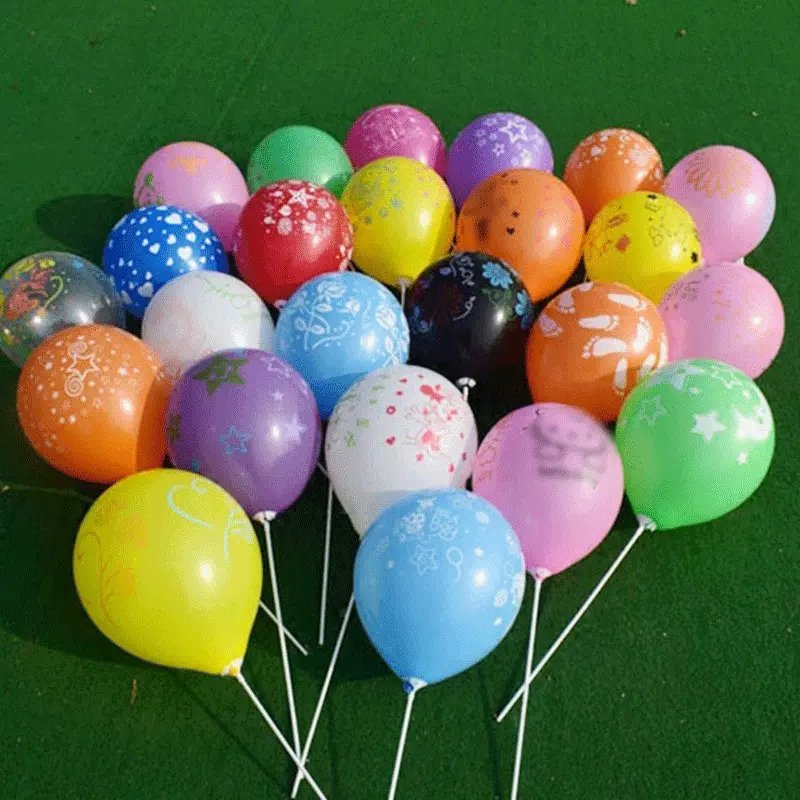
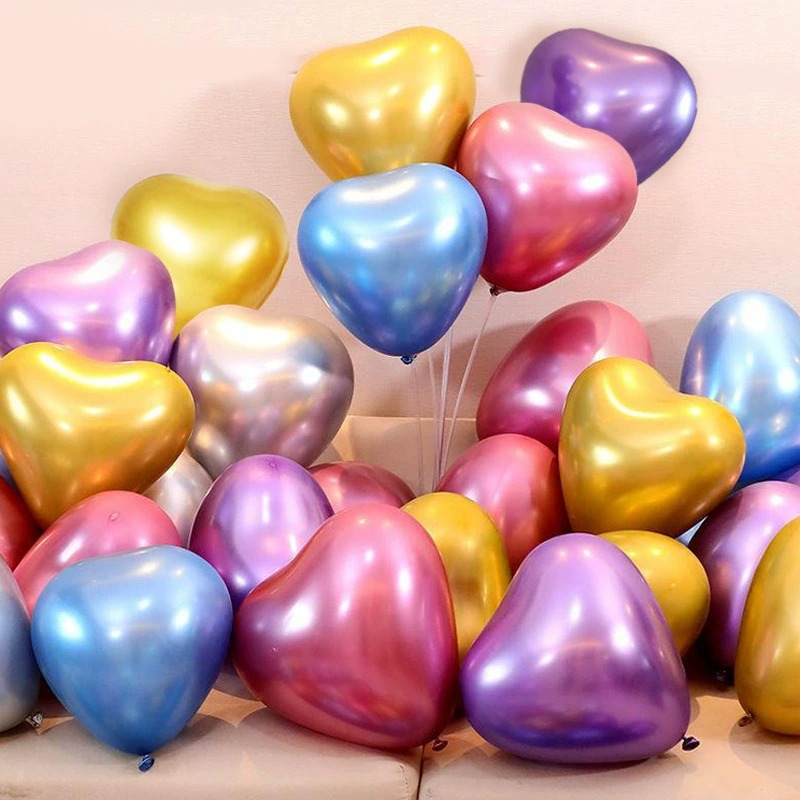
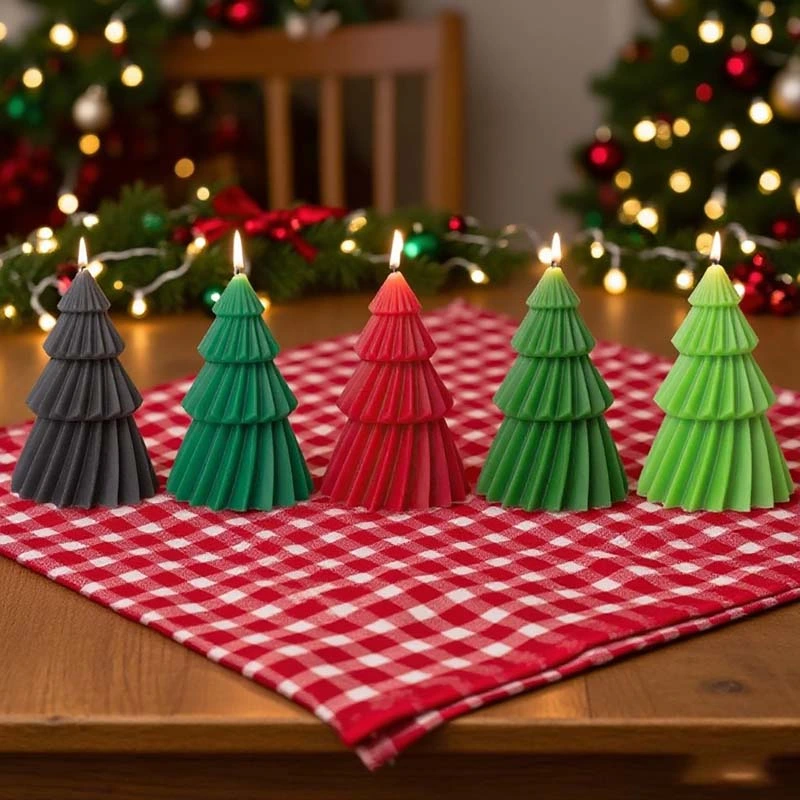
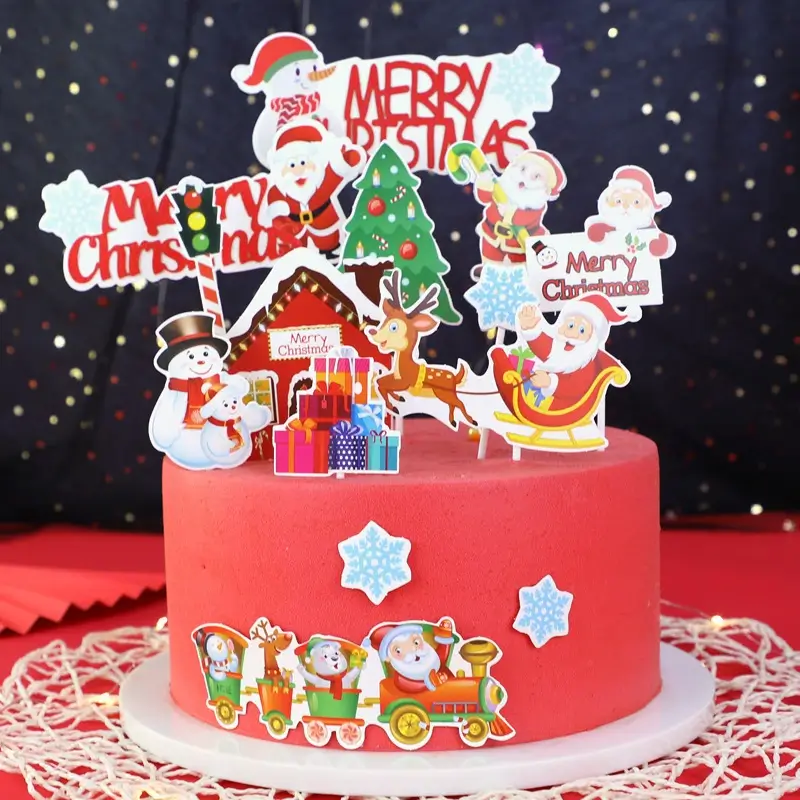
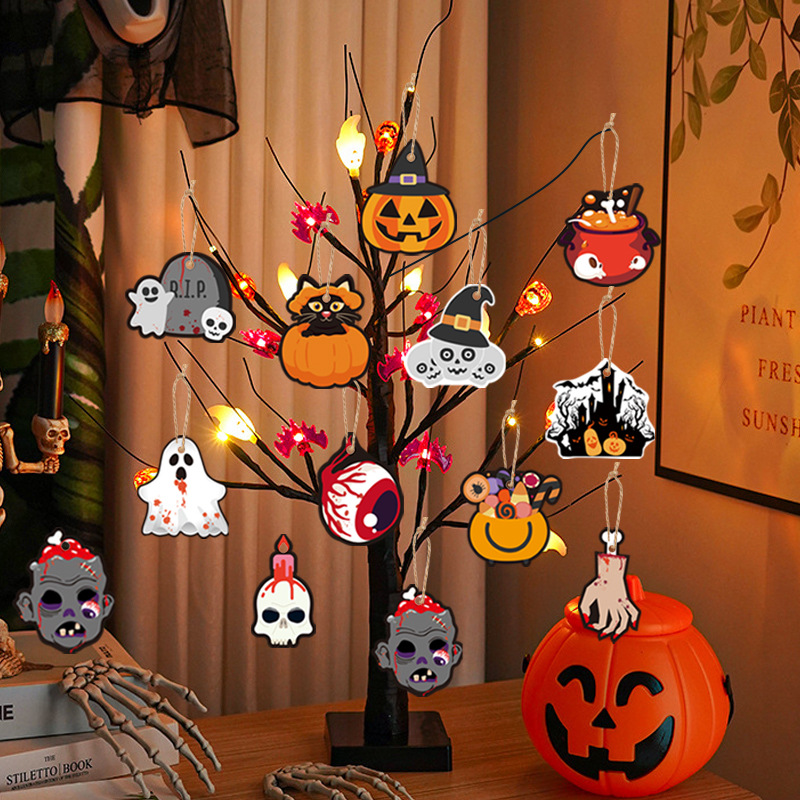
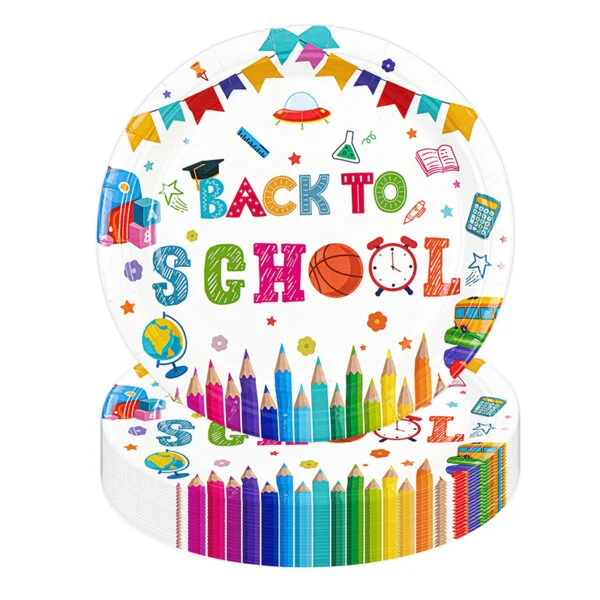
In the context of party supplies, MOQ applies to almost everything: balloons, customized party paper plates, tablecloths, party gift bags, cake toppers, banners, party hats, and decorative candles. Every product has its own MOQ, and that number can vary significantly depending on the product type, the level of customization involved, and the supplier you’re working with.
Why Do Suppliers Have MOQs?
MOQs are not arbitrary. They exist because manufacturing has real fixed costs that need to be spread across enough units to make production economically viable.
Here’s what happens on the factory side when you place an order:
Before a single unit is produced, the factory has to set up the production line. For a printed paper plate, that means creating the printing plate, mixing the ink colors, setting up the cutting machine, and preparing the packaging materials. For a custom foil balloon, it means creating the mold or die-cut shape, preparing the foil material, and setting up the heat-sealing equipment.
These setup costs are fixed; they’re the same whether the factory produces 50 units or 5,000 units. If a factory produces only 50 units, those fixed costs make each unit extremely expensive. At 500 units, those same fixed costs are spread across enough pieces to make the production economical for both the factory and the buyer.
This is why suppliers set MOQs not to make life difficult for small buyers, but because producing below a certain quantity genuinely doesn’t make financial sense for them.
A practical example using PartySparkz:
When a buyer approaches PartySparkz for custom printed paper plates, the factory needs to prepare the print plate for your design, set up the printing machine with your color specifications, and prepare your branded packaging. Those setup steps happen regardless of whether you order 200 plates or 2,000. The MOQ exists to ensure those setup costs are recoverable across a sufficient number of units.
How MOQ Works in Practice

Understanding MOQ in theory is one thing. Seeing how it plays out in an actual wholesale order is more useful.
Here’s a simple walkthrough using latex balloons as an example.
A supplier lists latex balloons with an MOQ of 500 units at $0.12 per unit. That means your minimum order value for that product is $60 (500 × $0.12). You cannot order 100 units at $0.12; the supplier won’t accept that order size.
If you want to order 1,000 units, the price might drop to $0.09 per unit, for a total of $90 for twice the quantity. The per-unit price fell because you’re well above the MOQ, and the fixed costs are spread across more units. To get price estimates, must visit the wholesale party supplies price blog.
If you want 200 units and the MOQ is 500, you have a few options: meet the MOQ by ordering 500, negotiate the MOQ down, find a different supplier with a lower MOQ, or combine this product with other products from the same supplier to meet a minimum order value threshold.
At PartySparkz, latex balloons and basic paper products typically carry MOQs starting from 100 to 300 units for standard products, making them accessible for smaller retailers and new wholesale buyers who are testing the market before scaling up.
Types of MOQ and Why This Matters
Most buyers assume MOQ is a single, simple number. In reality, suppliers use different types of MOQ depending on their business model. Understanding the difference prevents confusion when reading quotes.
Per SKU MOQ
This is the most common type. The MOQ applies to each product line; each size, color, or design variant counts separately. If the MOQ is 500 units per SKU and you want three different balloon colors, you need 500 units of each color, 1,500 units total.
Per order MOQ
Some suppliers set a minimum total order value rather than a per-product unit count. For example, a minimum order of $500 per shipment. You can mix and match products as long as the total order value hits the threshold. This model is friendlier for buyers who want a variety of products in smaller quantities per item.
Per material or per color MOQ
Common with printed products. Each color variant or material type requires its own minimum run. A tablecloth available in six colors might have an MOQ of 200 units per color, meaning you need 200 pink, 200 blue, and 200 gold separately, not 200 total across all colors.
Per production run MOQ
This applies to custom or private label orders where a minimum production run is required to set up the manufacturing process. This is typically higher than standard product MOQs because the customization setup costs are more involved.
When requesting a quote from any supplier, including PartySparkz, always clarify which type of MOQ applies. It changes the math significantly.
Also read – private label party supplies
How MOQ Directly Affects Your Price
MOQ and pricing are inseparable. The relationship is simple: the more you order above the minimum, the less you pay per unit. Here’s what that looks like in practice with a party supply example:
Example: Custom printed paper plates
| Order Quantity | Price Per Unit | Total Order Cost |
| 200 units (below typical MOQ) | Not available | — |
| 500 units (MOQ) | $0.38 | $190 |
| 1,000 units | $0.28 | $280 |
| 2,000 units | $0.20 | $400 |
| 5,000 units | $0.14 | $700 |
Notice what happens: doubling your order from 500 to 1,000 units saves you $0.10 per unit, but your total spend only goes up by $90. At 5,000 units, your per-unit cost is less than half what it was at MOQ. This is the core economics of wholesale buying and why scaling your order size improves margins dramatically.
The important thing to calculate is not just the per-unit cost but the margin per unit after all costs.
If your landed cost on those paper plates at 1,000 units is $0.28 plus $0.08 shipping and $0.02 import duty, your true cost is $0.38 per plate. If you retail them at $1.20, your gross margin is 68 percent. That math only works if you’ve accounted for all costs, not just the factory price.
What Is the Typical MOQ for Party Supplies? Real Numbers by Product Category
This is the section most wholesale guides leave vague. Here are realistic MOQ ranges for common party supply categories based on factory-direct supplier standards. These reflect standard product orders; custom or private label MOQs are noted separately.
| Product Category | Standard MOQ Range | Custom / Private Label MOQ |
| Latex balloons | 100 – 500 units | 500 – 1,000 units |
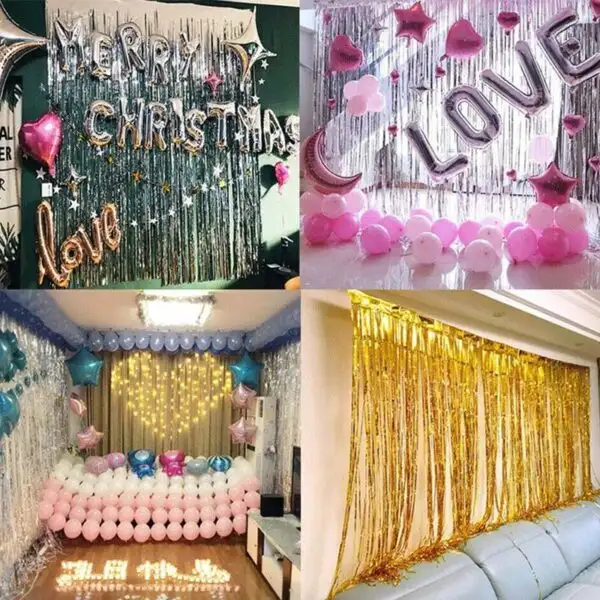
| Foil rain curtains/backdrops | 100 – 300 units | 300 – 500 units |
| Paper plates (plain) | 200 – 500 units | 500 – 1,000 units |
| Paper plates (printed) | 300 – 500 units | 500 – 2,000 units |
| Paper napkins | 200 – 500 units | 500 – 1,000 units |
| Tablecloths (disposable) | 100 – 300 units | 300 – 500 units |
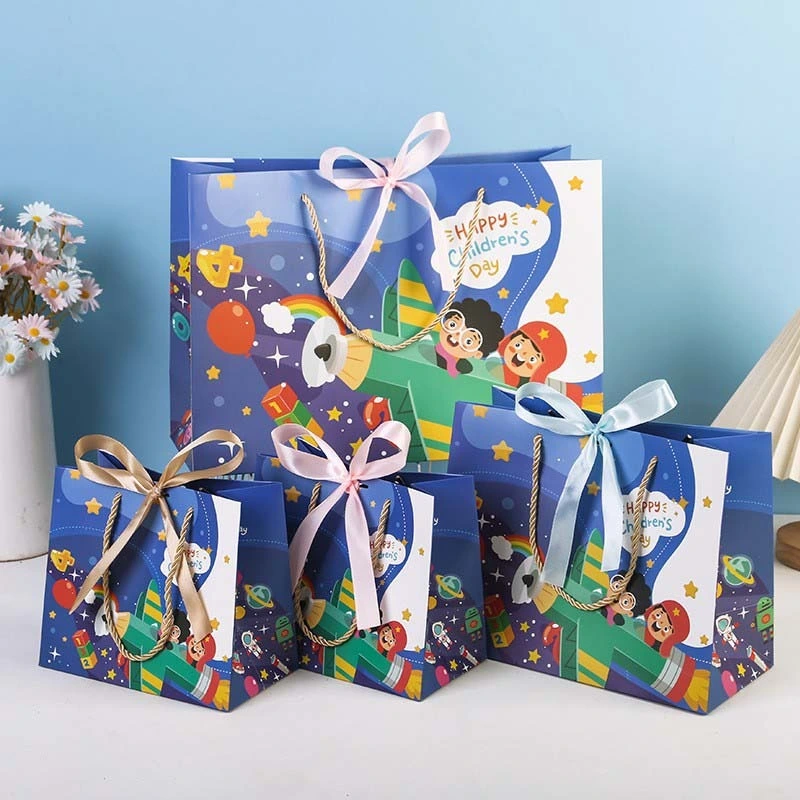
| Gift paper bags | 100 – 300 units | 300 – 500 units |
| Cake toppers | 200 – 500 units | 300 – 500 units |
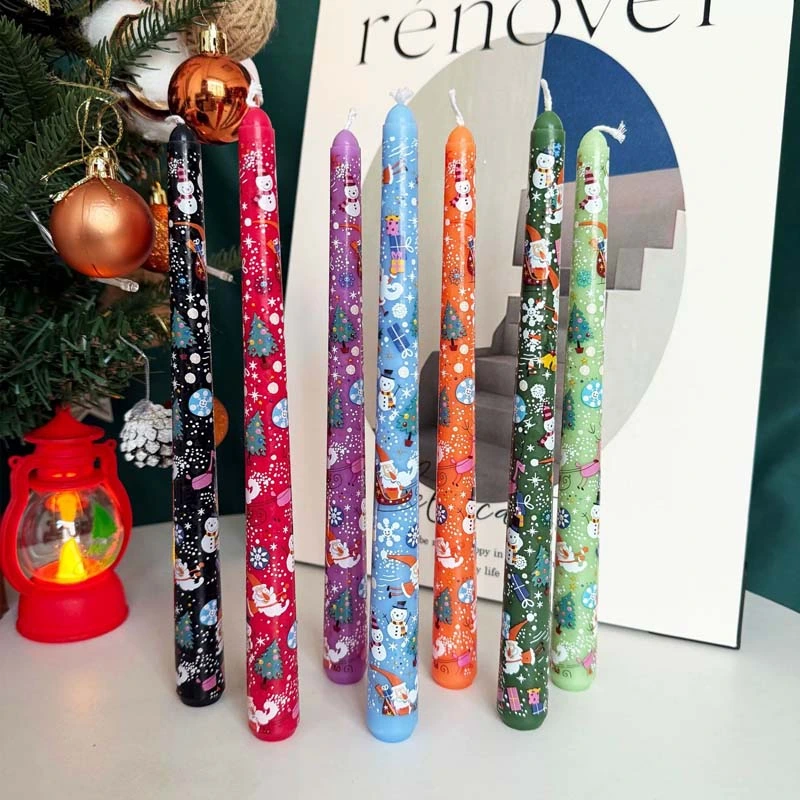
| Decorative candles | 100 – 300 units | 200 – 500 units |
| Party hats | 100 – 500 units | 300 – 1,000 units |
| Foil rain curtains / backdrops | 50 – 200 units | 200 – 500 units |
| Hanging flag banners | 100 – 300 units | 200 – 500 units |
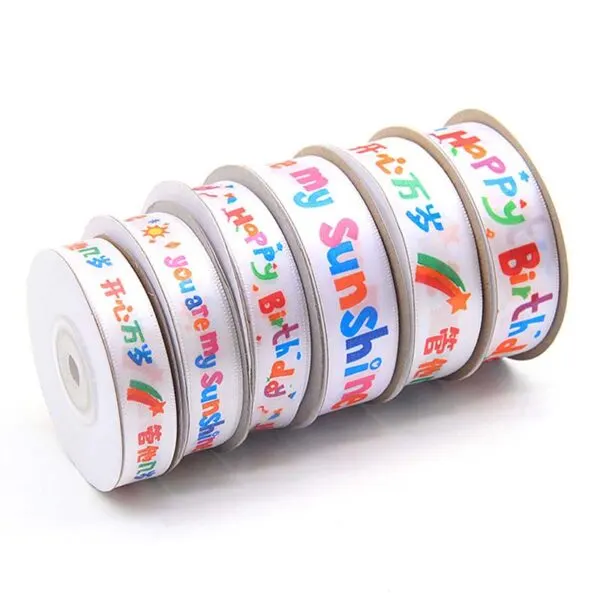
| Ribbon (per roll) | 100 – 500 rolls | 300 – 1,000 rolls |
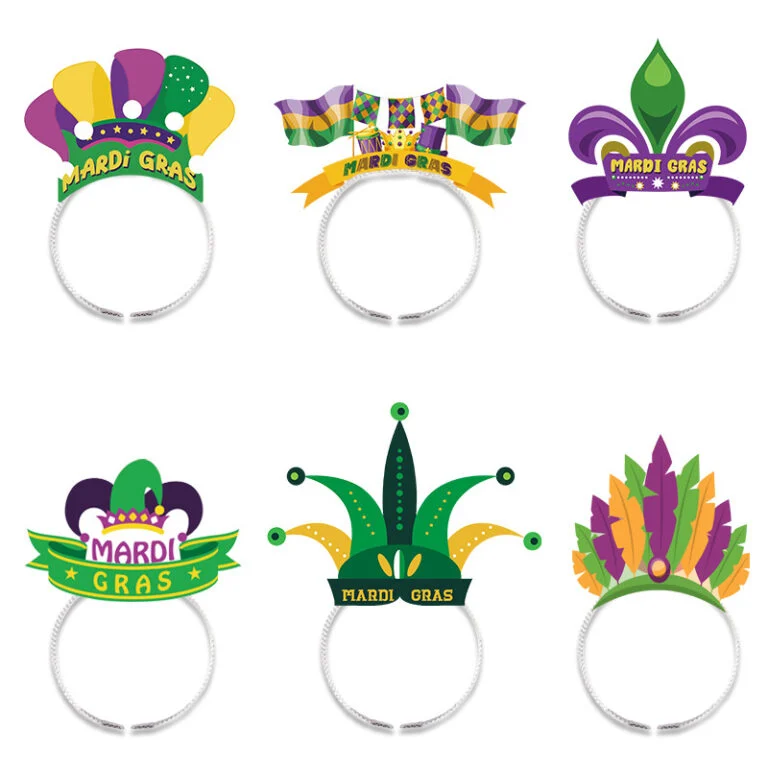
| Party headbands | 100 – 300 units | 200 – 500 units |
Context on these numbers:
Standard MOQs apply to products that a factory already manufactures; you’re ordering from existing production lines with no customization. Custom or private label MOQs are higher because of the setup costs involved in creating your branded packaging, custom print, or unique design.
At PartySparkz, standard wholesale MOQs start from as low as 10-100 units on several product categories intentionally kept accessible for smaller retailers and new buyers who are building their product range before committing to larger quantities.
Can You Negotiate MOQ? Yes, Here’s How

MOQ is not always fixed. Most factory-direct suppliers have more flexibility than their listed minimums suggest, especially if you approach the conversation the right way.
Lead with your growth potential
Suppliers care about long-term relationships more than single orders. If you can credibly explain that you’re a growing business looking for a long-term supply partner and that starting with a smaller first order is how you validate, most suppliers will work with you on the initial MOQ.
Offer a higher per-unit price in exchange for a lower MOQ
This is a clean trade that makes sense for both sides. You get the lower quantity you need. The supplier gets compensated for the less efficient production run. Asking “what would the price be if I ordered 200 units instead of 500?” opens this negotiation naturally.
Bundle multiple products in one order
Instead of ordering 200 units of one product, which is below the MOQ, order 200 units of three different products in the same shipment. Many suppliers have a minimum order value rather than a strict per-SKU MOQ, and bundling lets you meet that threshold while keeping individual product quantities manageable.
Start with standard products before custom
Standard products have lower MOQs than custom or private label products because there are no setup costs. If you want custom-branded tablecloths but the MOQ feels high, start with standard tablecloths at a lower MOQ to establish the relationship and understand sales velocity, then move to custom on your next order.
Ask about trial or sample orders
Some suppliers, including PartySparkz, offer structured trial order programs for new buyers. These allow you to order below standard MOQ to test the product before committing to a full production run. The per-unit price will be higher, but it de-risks your first purchase significantly.
Be a good buyer to negotiate naturally over time
The easiest MOQ negotiation is the one you don’t have to force. Buyers who pay on time, communicate clearly, and place repeat orders consistently find that suppliers proactively offer better terms, lower MOQs, better prices, and faster turnaround without any formal negotiation required.
What to Do If You Can’t Meet an MOQ
Not being able to meet a supplier’s MOQ is a common situation for new wholesale buyers. Here are your practical options:
Adjust your product mix
Instead of ordering one product below the MOQ, order multiple products from the same supplier and meet the MOQ across your total order. A party supply retailer who needs tablecloths, paper plates, and gift bags can often meet each product’s MOQ by ordering a balanced mix, especially if the MOQs are in the 100 to 300 unit range per product.
Start with a higher-MOQ standard product and test
Order the minimum quantity of a standard product even if it’s more than you feel comfortable with, and use the order to test your market. If it sells, you’ve validated demand, and your next order can be larger with confidence. If it doesn’t move as expected, you’ve learned something important at a relatively low cost.
Find a supplier with lower MOQs
Not all suppliers have the same MOQ requirements. Factory-direct suppliers who specialize in working with small and medium retailers rather than large chain buyers often set lower MOQs precisely to make their products accessible to a wider range of buyers.
Wait until your business is ready
If you genuinely can’t meet the MOQ without putting your business in a difficult financial position, it’s better to wait until your sales volume supports it than to overcommit on inventory. Use the time to build sales through existing products and revisit the supplier conversation when your numbers make it viable.
MOQ vs. MPQ vs. SPQ Related Terms You’ll Come Across
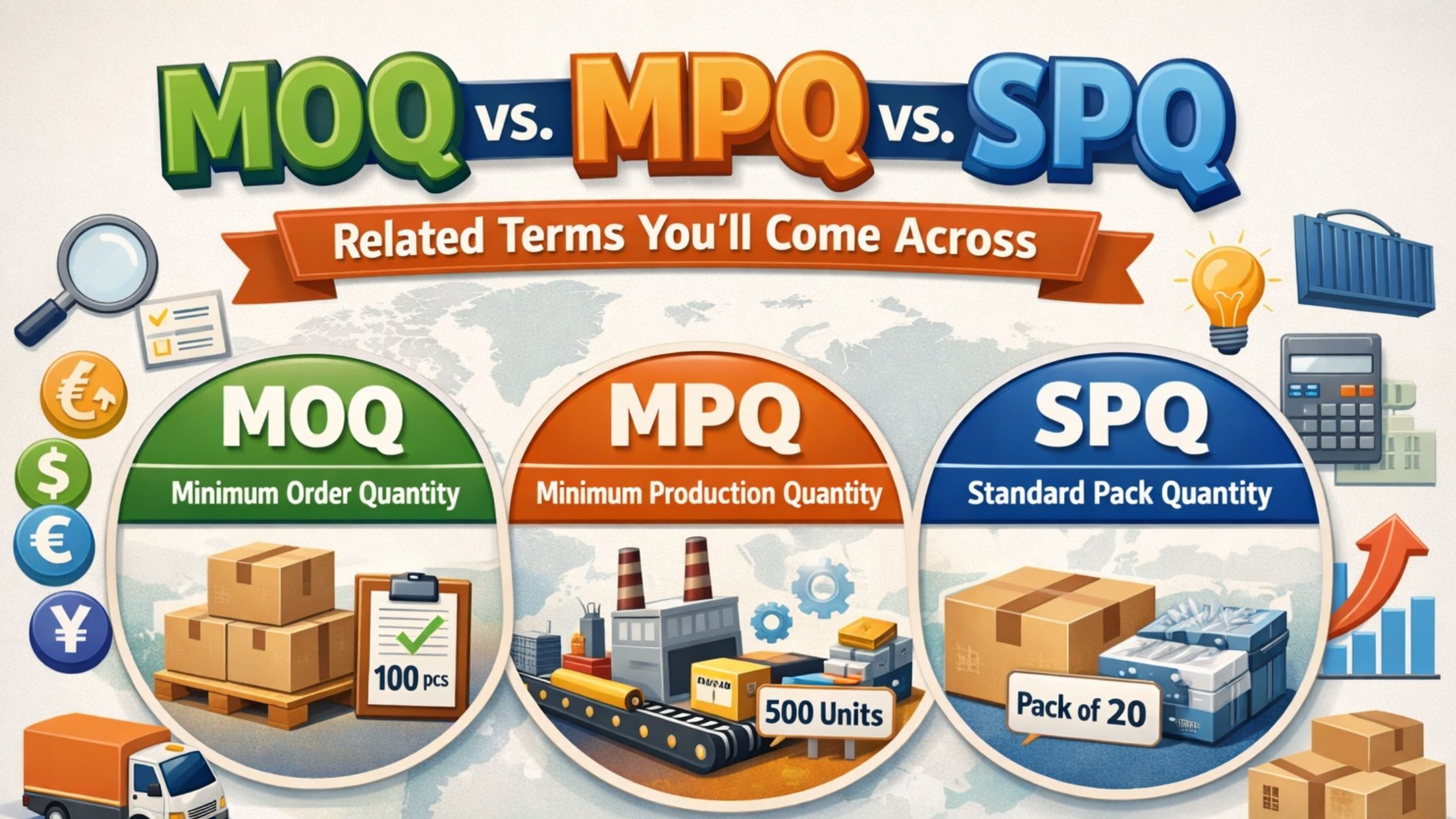
While MOQ is the most common term, you’ll encounter a few related abbreviations in wholesale conversations that are worth understanding:
MPQ — Minimum Purchase Quantity
Often used interchangeably with MOQ. In some contexts, MPQ refers to the minimum quantity per order line item on a purchase order, while MOQ refers to the overall minimum production run. In practice, most suppliers use these terms to mean the same thing.
SPQ — Standard Pack Quantity
The number of units in a standard inner pack or master carton. For example, paper plates may be packed 10 plates per inner pack and 120 inner packs per master carton giving an SPQ of 1,200. Suppliers often require orders in multiples of the SPQ for packaging and logistics efficiency. Ordering in non-SPQ quantities may incur repacking fees.
MOV — Minimum Order Value:
A minimum total spend per order rather than a unit count. Common with distributors and some wholesale platforms. More flexible for buyers who want variety across products you can mix different items as long as the total order value meets the threshold.
LCL vs. FCL:
Not strictly an MOQ term, but relevant to international wholesale orders. LCL (Less than Container Load) means your shipment shares a container with other buyers’ goods, suitable for smaller orders. FCL (Full Container Load) means you fill an entire container lower per-unit shipping cost but requires larger order volumes. Understanding which your order falls into affects your total landed cost calculation.
How MOQ Applies to Private Label Party Supplies Specifically
Private label orders, where products carry your brand name, logo, and custom packaging, come with higher MOQs than standard wholesale orders. This is worth understanding separately because the economics are different.
When you place a private label order, the factory needs to create production assets specific to your brand: print plates for your logo, dielines for your packaging, and color matching for your brand palette. These are one-time setup costs that are charged either as a separate setup fee or absorbed into the per-unit price at a minimum quantity that makes them recoverable.
For most party supply categories, private label MOQs at PartySparkz start from around 300 to 500 units per SKU for simpler products like gift bags, tablecloths, and paper plates. More complex items with custom shapes or multi-component packaging may require 500 to 1,000 units minimum.
The good news is that setup costs are typically one-time. Once your print plates and packaging artwork are created, reorders are cheaper and can sometimes be placed at lower quantities because the setup cost has already been paid on your first production run.
This is one reason why building a private label product line over time makes financial sense: your effective per-unit cost goes down with every reorder as setup costs become a smaller part of the total.
Final Thoughts
MOQ is one of those concepts that sounds more complicated than it is. Once you understand why it exists, how it connects to pricing, and what typical numbers look like for party supplies specifically, it stops being a barrier and starts being a planning tool.
The buyers who navigate MOQ most successfully are not the ones who always find the lowest minimum. They’re the ones who understand their own sales volume, plan their orders around realistic demand, build supplier relationships that create flexibility over time, and think in terms of landed cost and margin, not just factory price.
Start with what your business can genuinely support. Place your first order, learn from it, and scale from there. Every large wholesale buyer started with a minimum order quantity. Yours is just the beginning.
Frequently Asked Questions
What is the MOQ in party supplies?
MOQ stands for Minimum Order Quantity, the smallest number of units a supplier will accept in a single order. For party supplies, MOQs typically range from 100 to 1,000 units, depending on the product type and whether customization is involved.
What is the minimum order quantity for wholesale party supplies from China?
Factory-direct suppliers in China typically set MOQs between 100 and 500 units for standard party supply products. Custom or private label orders generally require 300 to 1,000 units minimum, depending on the product and level of customization.
Can I negotiate the MOQ with a party supply supplier?
Yes. MOQs are often negotiable, particularly with factory-direct suppliers who value long-term buyer relationships. Common negotiation approaches include offering a higher per-unit price in exchange for a lower quantity, bundling multiple products in one order, or discussing a trial order program for first-time buyers.
What happens if I order below the MOQ?
Most suppliers will not accept orders below their stated MOQ. Some may accommodate below-MOQ orders at a significantly higher per-unit price to compensate for the less efficient production run. Others may offer a sample order program with above-standard pricing for small quantities.
Is a lower MOQ always better?
Not necessarily. Suppliers with very low MOQs often compensate with higher per-unit prices, making the economics less favorable at scale. The best MOQ for your business is one that matches your current sales volume and capital position not simply the lowest number available.