







Starting a party supplies business looks simple from the outside: colorful products, happy customers, and constant demand. But in reality, this is a margin-sensitive, trend-driven, and highly seasonal business where decisions around inventory, positioning, and suppliers determine whether you grow or struggle.
This guide is written from a practical, real-world perspective, focusing not just on what to do, but what actually works based on how this market behaves today.
Table of contents
- Understanding the Business Beyond the Surface
- Choosing the Right Niche: Where Most Businesses Win or Lose
- Market Demand: What Sells vs What You Think Will Sell
- Competition: Why Differentiation Matters More Than Price
- Financial Planning: The Reality Behind Startup Costs
- Supplier Relationships: The Hidden Advantage
- Inventory Management: Where Profit Is Made or Lost
- Marketing That Reflects How Customers Actually Buy
- Managing Seasonality Without Losing Stability
- Building an Online Presence That Converts
- Visual Branding and Tools: Supporting, Not Driving, Growth
- Final Perspective: What Actually Builds a Sustainable Business
- Frequently Asked Questions:
Understanding the Business Beyond the Surface
At its core, the wholesale party supplies business is about selling convenience and complete solutions, not just individual products. Customers are not looking for “balloons” or “decor items”—they are looking to create an experience. That shift in perspective changes everything about how you build your business.
Demand in this industry is predictable but uneven. It spikes around birthdays, weddings, corporate events, and cultural celebrations, then slows down significantly during off-peak periods. Many first-time sellers misunderstand this pattern and assume steady monthly sales, which leads to overstocking and cash flow issues.
A more sustainable approach is to accept this cyclic nature early and build your business model around it, planning inventory, marketing, and cash reserves accordingly.
Choosing the Right Niche: Where Most Businesses Win or Lose
One of the biggest mistakes new entrants make is trying to sell everything. The logic feels right; more products should mean more sales, but in reality, it leads to scattered inventory, weak branding, and poor customer recall.
Successful businesses narrow their focus.
This could mean specializing in eco-friendly decorations, curated party kits, premium themed supplies, or bulk products for event planners. The goal is not just to sell, but to become known for something specific. When your positioning is clear, marketing becomes easier, customers trust you faster, and pricing pressure reduces because you’re not just another generic seller.
Niche clarity is not about limiting growth; it’s about building a strong foundation that can scale.
Market Demand: What Sells vs What You Think Will Sell
Understanding demand is less about intuition and more about observation. The market already tells you what works; you just need to pay attention.
Look at how products perform on marketplaces, what categories are consistently stocked, and how pricing varies across sellers. You’ll notice patterns: some products move fast but have low margins, while others sell more slowly but generate better profits.
Another key insight is that different customer segments behave differently. Retail buyers prefer convenience and aesthetics, often choosing bundled kits that simplify decision-making. On the other hand, event planners and decorators focus on bulk pricing, consistency, and reliability.
If you try to serve both without a clear strategy, you end up serving neither effectively.
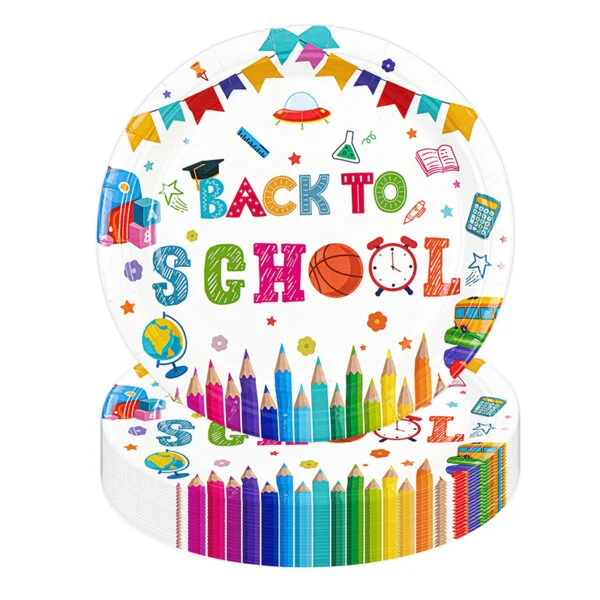
Also read – Best Paper Plates for Retailers
Competition: Why Differentiation Matters More Than Price
The party supplies market is crowded, and new sellers often assume the only way to compete is by offering lower prices. This approach rarely works long-term.
Large players benefit from scale and can sustain lower margins. Small sellers who try to undercut them usually burn out quickly.
What actually works is differentiation.
This doesn’t have to mean reinventing the product. It can come from how you package your offerings, how quickly you deliver, how reliable your stock is, or how well you present your products online. In many cases, customers are willing to pay slightly more for a smoother, more predictable experience.
The businesses that succeed are the ones that reduce friction for the customer.
Financial Planning: The Reality Behind Startup Costs
Starting a party supplies business doesn’t always require a massive investment, but it does require disciplined financial planning.
If you start online, your primary costs will include inventory, basic website or marketplace setup, packaging, logistics, and marketing. If you plan to open a physical store, expenses increase significantly with rent, staffing, and operational overhead.
What matters more than the total investment is how efficiently you use it.
Inventory is where most of your capital will go, and it’s also where most mistakes happen. Buying too much too early locks up cash and increases risk, especially in a trend-driven market where certain designs or themes can quickly lose demand.
A smarter approach is to start lean, test demand, and expand based on actual sales data rather than assumptions.
Supplier Relationships: The Hidden Advantage
Suppliers are often overlooked in the early stages, but they play a critical role in long-term success.
A reliable supplier ensures consistent quality, stable pricing, and timely delivery—especially during peak seasons when demand surges. Poor supplier choices, on the other hand, lead to stockouts, inconsistent products, and delayed orders, all of which directly impact customer trust.
Building strong supplier relationships is not just about getting the lowest price. It’s about reliability, communication, and flexibility. Businesses that invest time in finding and maintaining good suppliers operate more smoothly and face fewer disruptions.
Inventory Management: Where Profit Is Made or Lost
In this business, inventory is not just stock—it’s your cash sitting on shelves.
Overstocking ties up capital and increases the risk of unsold products, especially for trend-based items. Understocking leads to missed sales and disappointed customers. The challenge is finding the balance.
This is where data becomes valuable. Tracking which products sell consistently, how quickly they move, and during which seasons allows you to make better purchasing decisions over time.
Even a simple system for monitoring stock levels and sales patterns can significantly improve profitability.
Marketing That Reflects How Customers Actually Buy
Many party supplies businesses struggle with marketing because they focus on showcasing products instead of selling outcomes.
Customers don’t buy decorations—they buy the idea of a perfect event.
This means your marketing should show complete setups, real-life use cases, and finished results. Instead of posting individual items, show how those items come together to create a theme or experience.
Consistency also matters. Regular, engaging content builds familiarity and trust, which directly influences buying decisions.
Search visibility plays a long-term role as well. When your products and content are optimized for what customers are actively searching for, you attract buyers who already have intent, which leads to higher conversion rates.
Managing Seasonality Without Losing Stability
Seasonality is one of the defining characteristics of this business. High-demand periods can generate a large portion of your annual revenue, while off-season months can feel slow and unpredictable.
The key is not to eliminate seasonality—it’s to manage it.
This involves controlling inventory carefully, maintaining cash reserves, and identifying products that sell consistently throughout the year. It also means maximizing peak seasons through better preparation, ensuring you have the right stock available when demand is highest.
Businesses that survive long-term are not the ones that sell the most during peak months—they are the ones that manage the slow months effectively.
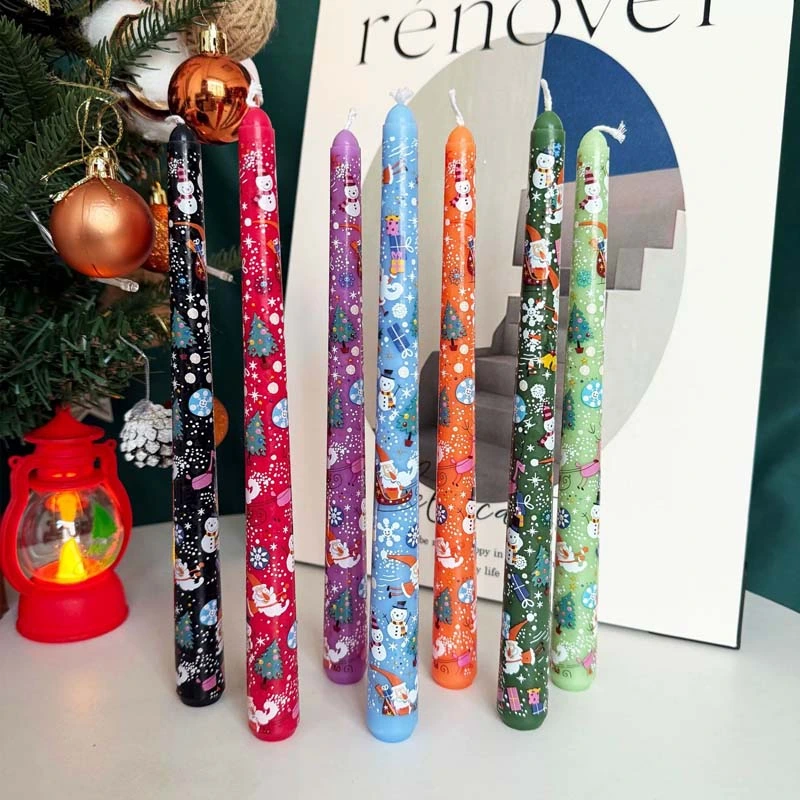
What Products Should You Store?
- Wholesale party balloons
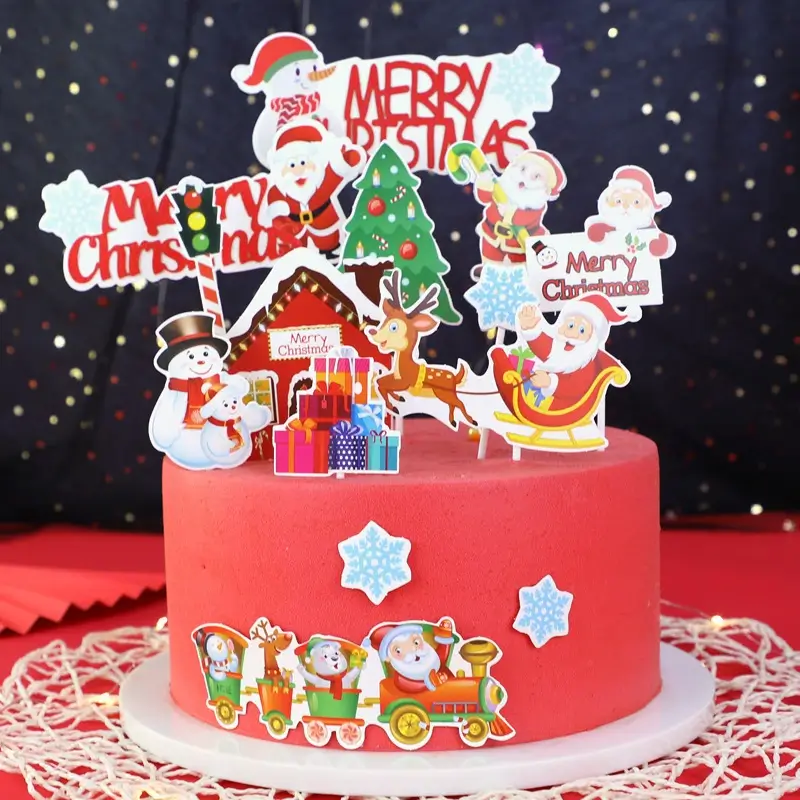
- Wholesale cake toppers
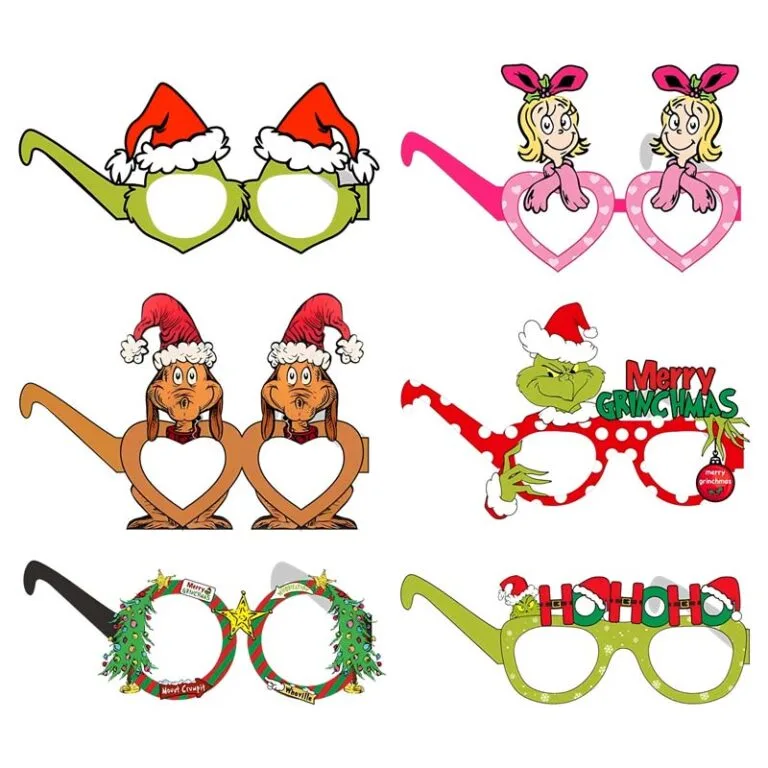
- Wholesale party glasses
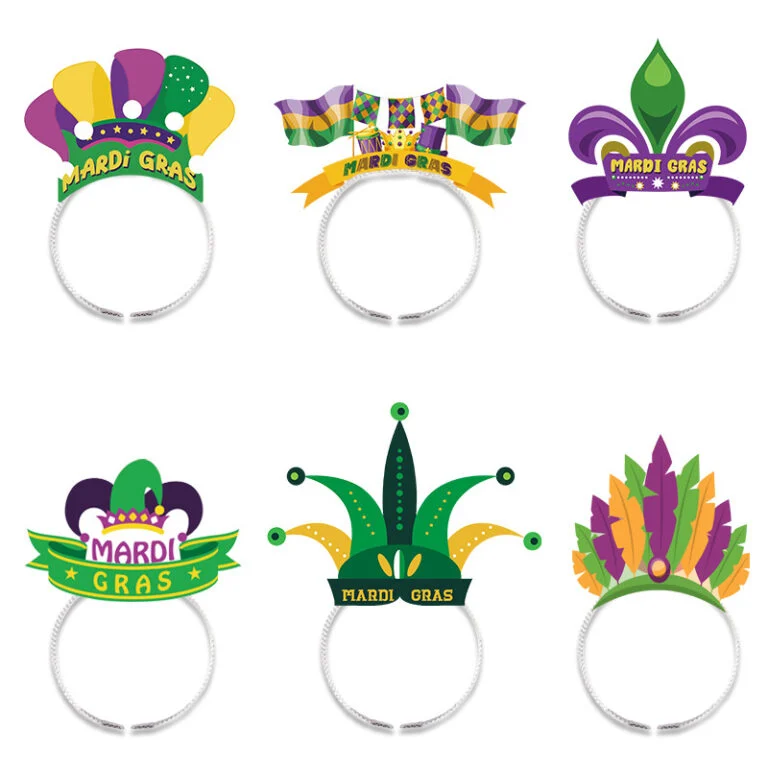
- Wholesale party hadbands
- Wholesale party masks
- Wholesale party hats
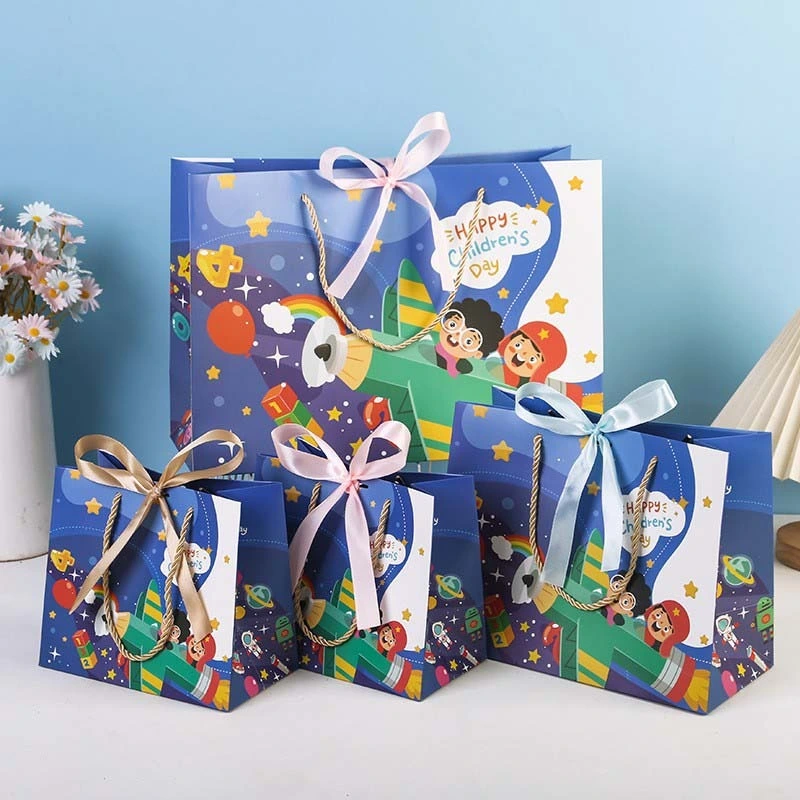
- Wholesale gift paper bag
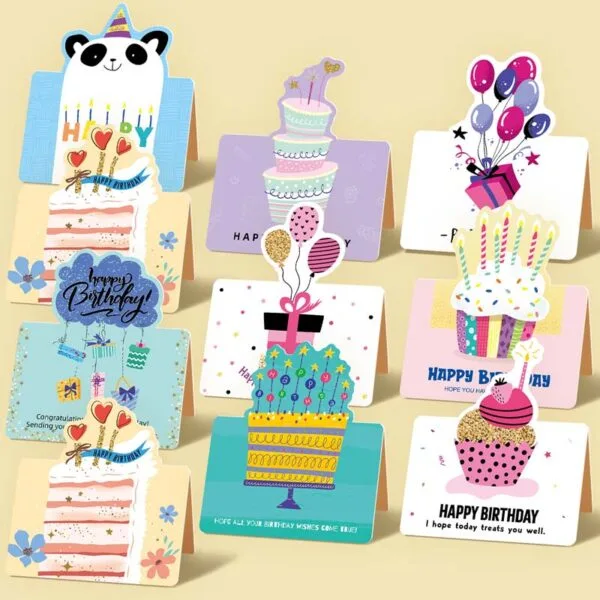
- Wholesale greeting cards
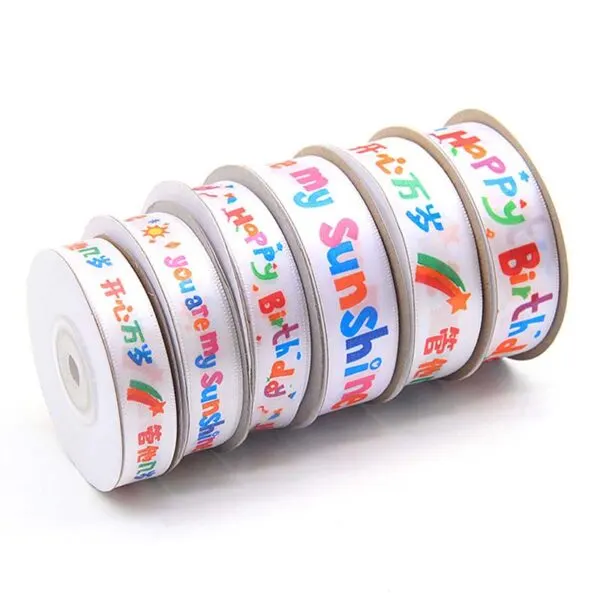
- Wholesale ribbon
Building an Online Presence That Converts
An online presence is essential, but simply having a website or social media page is not enough.
Customers need reassurance. They want to know that the product will look as expected, arrive on time, and meet their needs.
This is where clarity and transparency matter. High-quality images, detailed descriptions, and genuine customer feedback help reduce uncertainty and build trust.
Trust is often the deciding factor between you and a competitor offering a similar product at a similar price.
Visual Branding and Tools: Supporting, Not Driving, Growth
In a visually driven industry, presentation plays an important role. Clean, consistent, and appealing visuals help attract attention and improve brand perception.
Tools like Desygner can simplify the process of creating professional-looking graphics for social media, ads, and promotional materials. They allow you to maintain consistency without needing advanced design skills.
However, it’s important to understand their role. Design enhances your brand, but it doesn’t replace strong products, reliable operations, or effective marketing. It works best when integrated into a well-structured business strategy.
Final Perspective: What Actually Builds a Sustainable Business
A wholesale party supplies business is not just about selling products—it’s about creating reliable solutions for events where timing, presentation, and experience matter.
The businesses that succeed in this space are not necessarily the ones with the biggest catalogs or the lowest prices. They are the ones that understand their customers, manage their operations efficiently, and deliver consistently.
If you approach this business with a clear niche, realistic expectations, and a focus on execution rather than assumptions, it becomes far more than a side venture—it becomes a scalable and sustainable operation.
And in a market driven by celebration, reliability is what ultimately earns repeat customers.
Frequently Asked Questions:
High Demand: People celebrate birthdays, weddings, and holidays regardless of the economy.
Recurring Revenue: Satisfied customers often return for every annual milestone.
Niche Opportunities: You can stand out by focusing on specific themes (e.g., sustainable parties or luxury decor).
Pick a Niche: Choose between retail sales, equipment rentals, or custom decor.
Legalize: Register your LLC, get a tax ID (EIN), and obtain local retail permits.
Find a Location: Secure a high-traffic storefront or a warehouse for online/rental operations.
Source Inventory: Partner with wholesale distributors for bulk pricing on balloons, paper goods, and kits.
Launch Marketing: Use Instagram and Pinterest to showcase visual setups and attract local planners.
Physical Store: Typically $50,000 to $150,000+ for lease deposits, renovations, and initial stock.
Online/Home-Based: $2,000 to $10,000, focusing on specialized kits or drop-shipping.
Ongoing Costs: Budget for rent, utilities, staff wages, and continuous inventory restock.
High Markups: Retail items like balloons and streamers often have markups of 100% to 500%.
Rental ROI: Rental gear (tables, chairs) pays for itself after just a few bookings.
Service Add-ons: You can significantly increase profits by offering delivery, setup, and balloon arch assembly.