
In today’s party supplies market, competition is no longer just about price or availability. Walk into any retail store or scroll through an online marketplace, and you’ll notice the same patterns repeated again and again: similar colors, similar themes, similar packaging, and the same brands competing for attention. For retailers, this creates a serious challenge. When every product looks alike, customers have no reason to choose you over someone else.
This is where private-label party supplies change the game.
Private labeling allows retailers to move beyond reselling generic products and instead build something unique—products that reflect their store identity, connect emotionally with customers, and generate higher margins over time. It is not just a branding exercise; it is a long-term business strategy that gives you control over pricing, presentation, and product direction.
At PartySparkz, we work with retailers, wholesalers, resalers, and event-focused businesses that want to create their own branded party supplies. Over the years, we’ve seen how private labeling transforms stores from price-driven sellers into brand-driven destinations. This guide explains the entire process—not just what private labeling is, but how to do it correctly, profitably, and sustainably.
If you want to stop competing only on price and start building a party supply brand, customers remember, this guide is for you.
What Are Private Label Party Supplies?
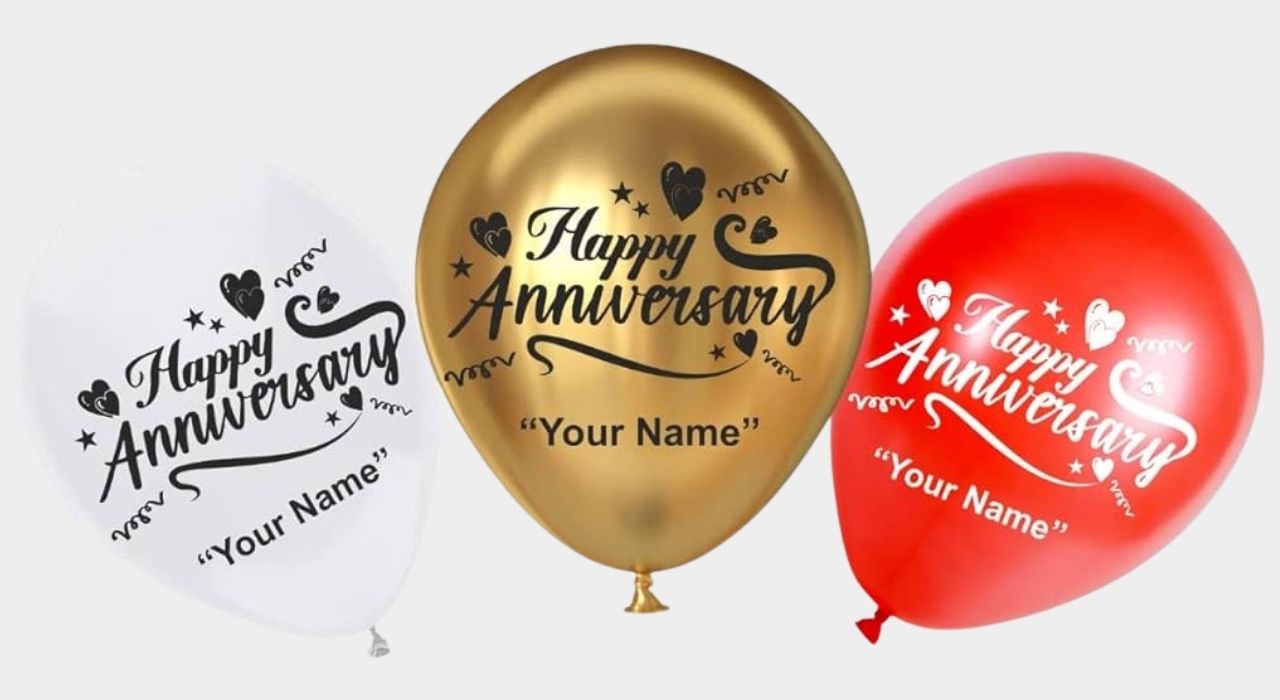
Private label party supplies are products manufactured by a third-party factory but sold under your brand name. Instead of offering items with someone else’s logo, you control how the product looks, how it is packaged, and how it is positioned in your store or online.
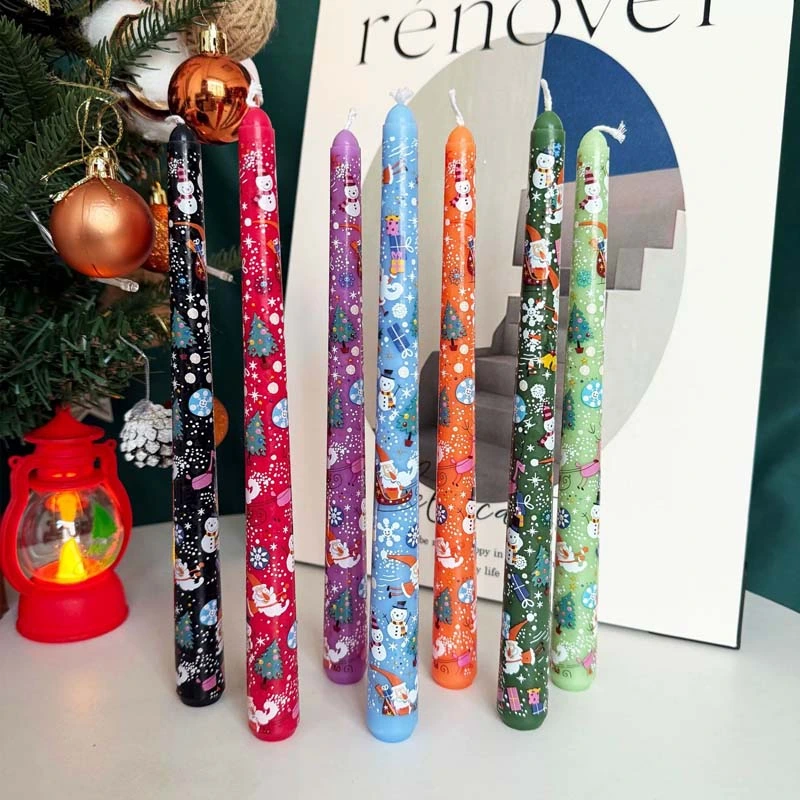
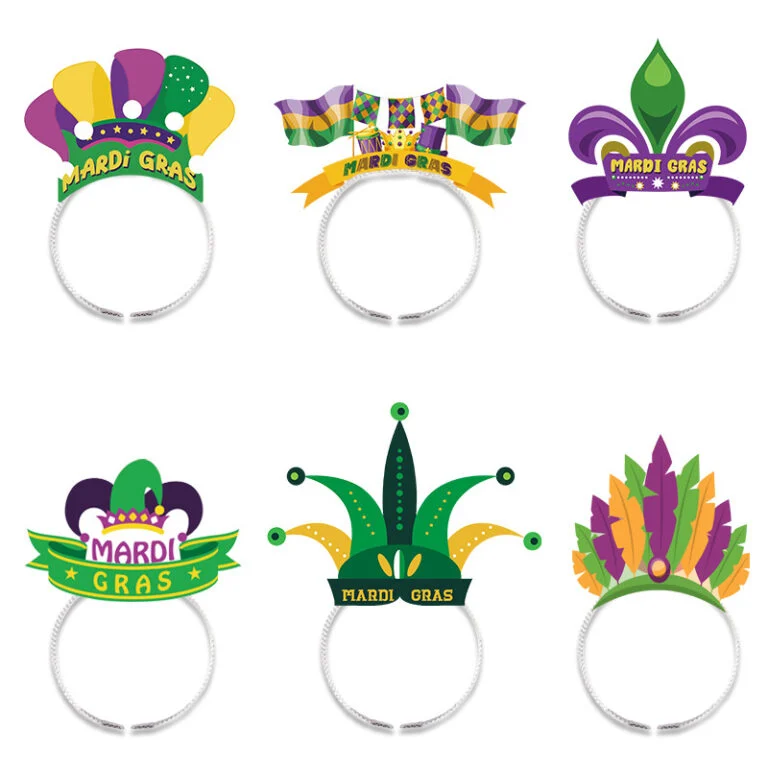
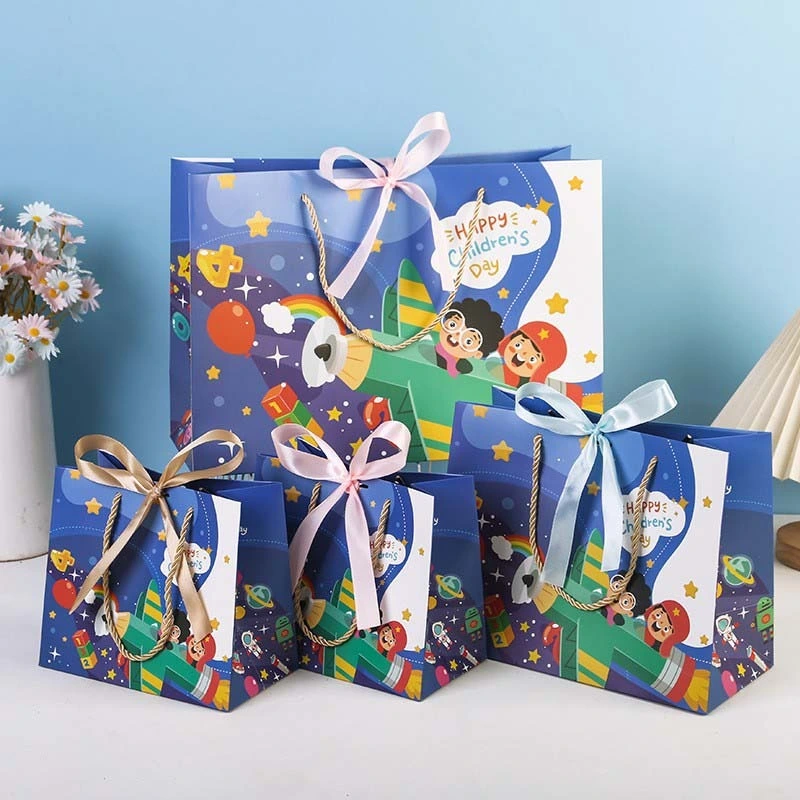
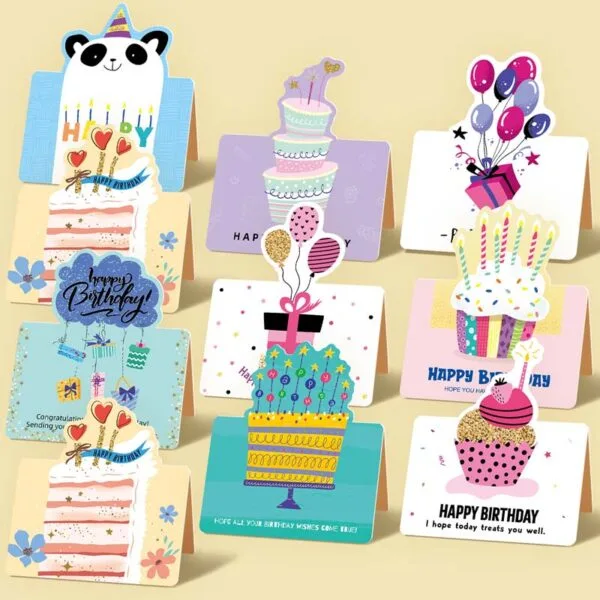
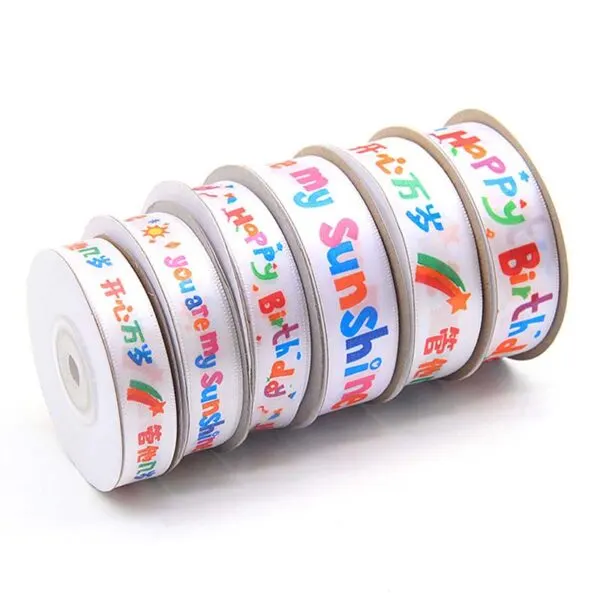
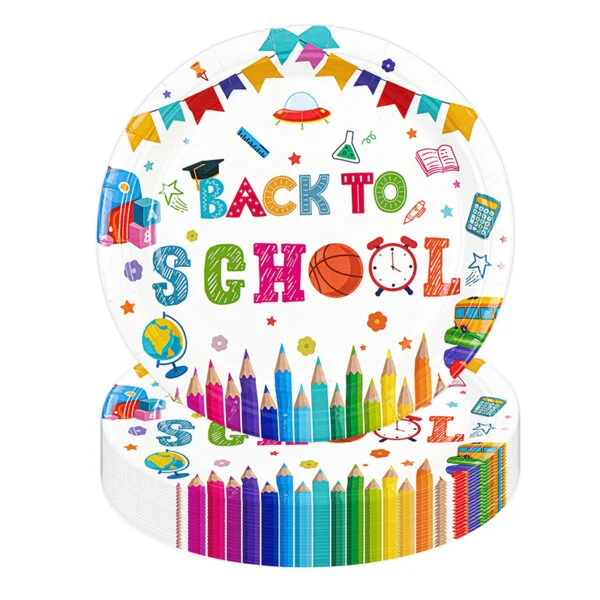
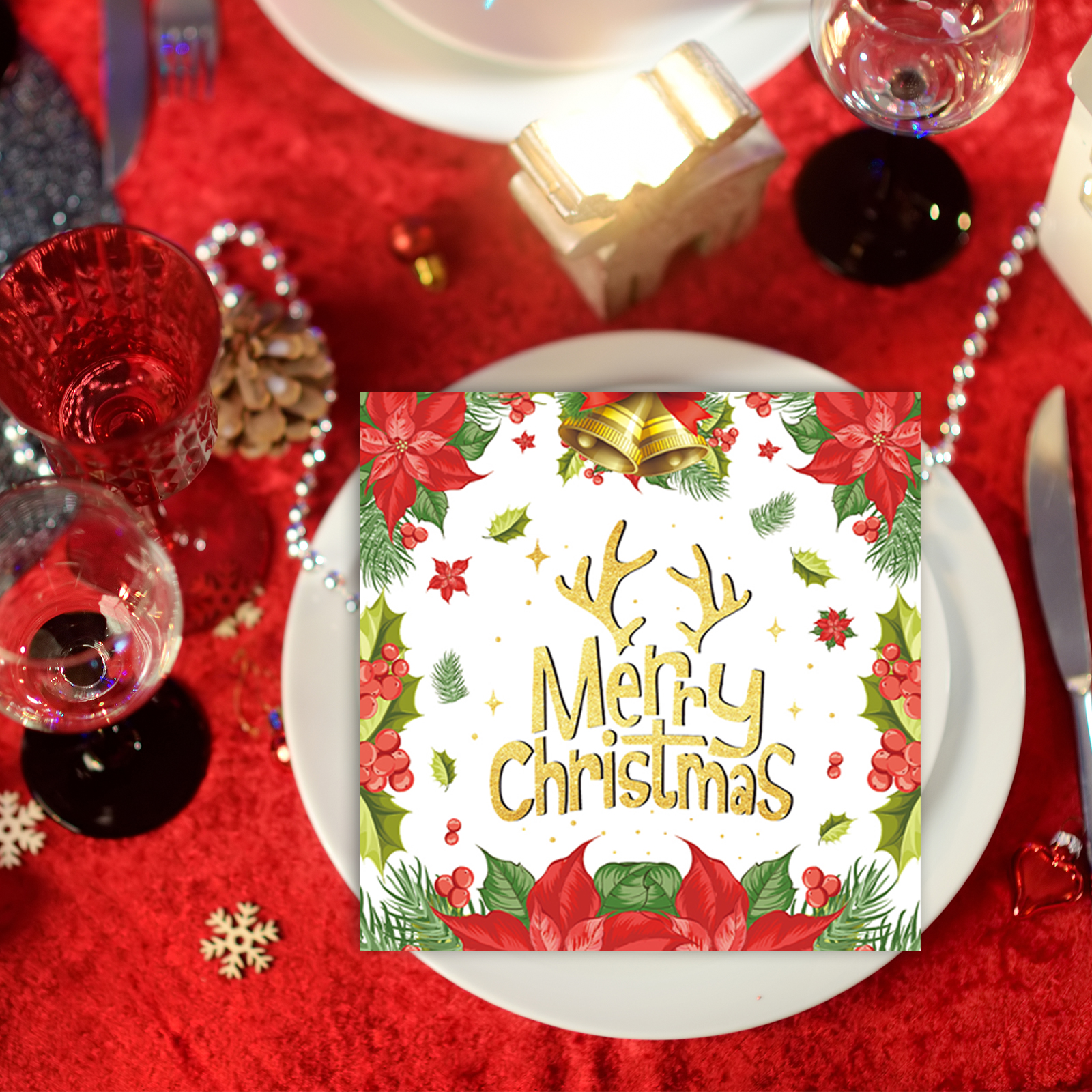
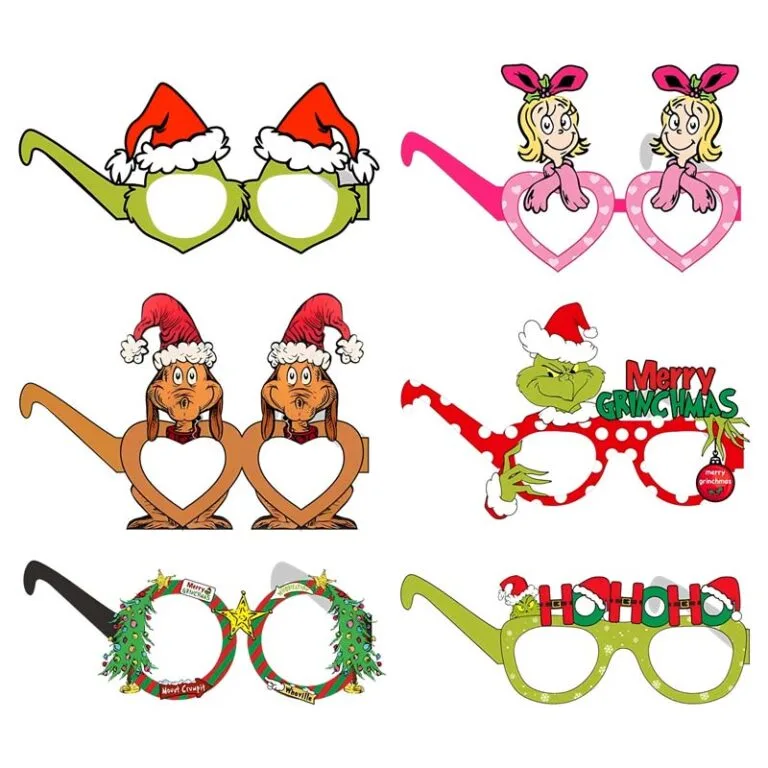
These products can include decorations, balloons, tableware, costumes, party hats, seasonal accessories, or complete themed kits. The key difference is ownership of the brand experience. Customers associate the product quality, design, and reliability directly with your store, not with an external brand they can find elsewhere.
Private labeling does not require owning a factory. It requires working with the right manufacturing partner who can produce to your specifications while allowing you to build a consistent brand identity. This approach is especially powerful in party supplies because customers value uniqueness, creativity, and seasonal freshness—areas where private labels excel.
Why Retailers Are Turning to Private Label Party Supplies
Private labeling is not a trend; it is a strategic response to market saturation. Retailers who rely only on standard brands often face shrinking margins and limited control. Private label products change this dynamic in several important ways.
1. Stronger Brand Recognition and Customer Loyalty
When customers buy a private label product, they are buying your brand, not just a product. Over time, they associate positive experiences—successful birthdays, memorable celebrations, well-designed decorations—with your store. This emotional connection builds loyalty far more effectively than reselling anonymous products.
A customer who trusts your private label is more likely to return for future events, recommend your store to others, and choose your products even if cheaper alternatives exist elsewhere.
2. Higher and More Predictable Profit Margins
Private label products typically offer better margins because you are not paying for another brand’s marketing or positioning. You control production costs, packaging complexity, and pricing strategy. This flexibility allows you to adjust margins based on seasonality, demand, and promotional cycles.
Over time, retailers with strong private labels are less vulnerable to price wars and discount pressure because customers compare brands, not just prices.
3. Full Control Over Product Selection and Timing
When you rely on third-party brands, you are dependent on their decisions—what they launch, what they discontinue, and when they restock. With private labeling, you decide which products matter to your customers and when to introduce new designs or themes.
This control is especially valuable in party supplies, where trends shift quickly and seasonal timing is critical. You can prepare early for holidays, local events, or emerging themes without waiting for a supplier’s catalog update.
How Retailers Can Build Their Own Private Label Party Supply Brand
Building a private label brand is a structured process. When done correctly, it is predictable and scalable. When rushed, it becomes costly. Below is a step-by-step framework used by successful retailers.
Step 1: Define Your Market, Customer, and Product Focus
Every strong private label starts with clarity. You must understand who you are selling to and why they would choose your products.
Are your customers parents shopping for birthday parties? Event planners sourcing bulk decorations? Supermarkets serving impulse seasonal buyers? Each group values different things—price, durability, aesthetics, or convenience.
Once you define your audience, narrow your product focus. Start with categories that already perform well in your store. Expanding from existing demand reduces risk and improves early success.
Step 2: Create a Clear Brand Concept and Positioning
Private labeling is not just adding a logo to packaging. Your brand should communicate a clear promise: fun, elegance, affordability, sustainability, or premium design.
This promise must be reflected consistently across:
- Product design
- Color palettes
- Packaging style
- Messaging tone
Retail brands that succeed in private labeling usually keep their concept simple and repeatable. Customers should recognize your products instantly, even from a distance.
Step 3: Choose the Right Manufacturing Partner
Your manufacturer plays a central role in your private label success. You need a partner who understands safety standards, production consistency, and retail packaging requirements.
At PartySparkz, we support private label development from concept to shipment. Our role is not just manufacturing, but helping retailers avoid common mistakes—such as inconsistent packaging, unclear specifications, or missed seasonal deadlines.
A strong manufacturing partner will:
- Ask detailed questions about your market
- Offer material and packaging guidance
- Support sampling and testing
- Maintain consistent quality across batches
Choosing the right partner early saves time, money, and frustration later.
Also read – Party ideas for graduation party
Step 4: Test Products Before Scaling
Launching a private label does not mean committing to massive volumes immediately. Smart retailers test smaller batches first to validate demand, packaging appeal, and pricing.
These early tests provide real-world feedback. You learn which designs sell faster, which price points work best, and which items deserve expansion. This data-driven approach reduces inventory risk and improves long-term planning.
Step 5: Launch, Promote, and Educate Customers
A private label launch should be visible. Use shelf displays, signage, and digital channels to explain why your brand exists and what makes it special.
Customers are more likely to try new brands when they understand the story behind them. Train your staff to recommend your private label products confidently, especially for repeat occasions like birthdays and seasonal events.
Common Challenges in Private Labeling
Every retailer faces challenges when building a private label. The difference between success and failure is preparation.
Supplier reliability is one of the biggest concerns. This is solved by working with experienced manufacturers, requesting samples, and setting clear specifications.
Quality consistency requires documentation, testing, and inspection—not assumptions.
MOQs and inventory risk can be managed by starting with focused SKUs and negotiating phased production.
Brand inconsistency is avoided by creating a simple brand guide and applying it across all products.
These challenges are normal. With the right systems, they become manageable rather than risky.
Branding Strategies That Help Private Labels Stand Out
Strong private label brands are built deliberately, not accidentally.
They tell a clear story, maintain visual consistency, and adapt designs to seasons without losing identity. They showcase real customer usage—party photos, event setups, and social proof—so shoppers can imagine the experience, not just the product.
Seasonal updates, limited editions, and themed collections keep the brand fresh while maintaining a recognizable core.
Key Factors to Consider Before Launching a Private Label Brand
Before you launch, review your readiness carefully.
Product safety and compliance are non-negotiable. Party supplies often involve children, which makes material safety critical.
Market research ensures you are solving real customer needs, not guessing.
Cost planning protects your cash flow. Private labeling is an investment that pays off over time, not instantly.
Packaging must balance visual appeal with practicality—strong enough for handling, clear enough for retail.
At PartySparkz, we guide retailers through each of these factors to ensure launches are smooth, compliant, and scalable.
Conclusion: Building a Brand That Customers Remember
Private label party supplies give retailers something no generic product ever can: ownership. Ownership of brand identity, customer experience, and long-term growth.
Building a private label is not about doing everything at once. It is about starting strategically, learning from real sales, and scaling with confidence. Retailers who commit to this approach move beyond competition based on price and become destinations for celebration.
If you are ready to build a private label party supply brand that reflects your store’s vision and grows with your business, PartySparkz is here to support you—from concept to delivery.
Contact us today and start building a brand your customers will celebrate.