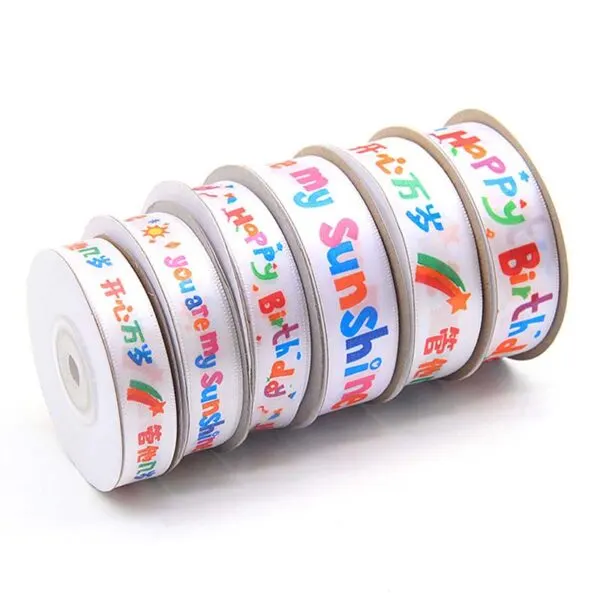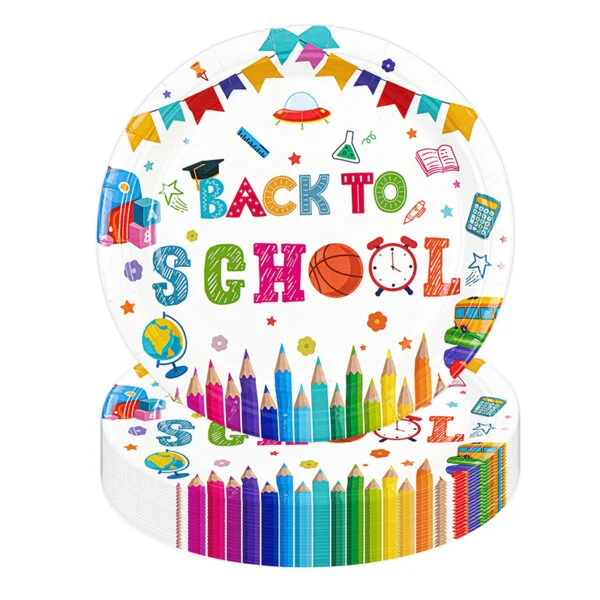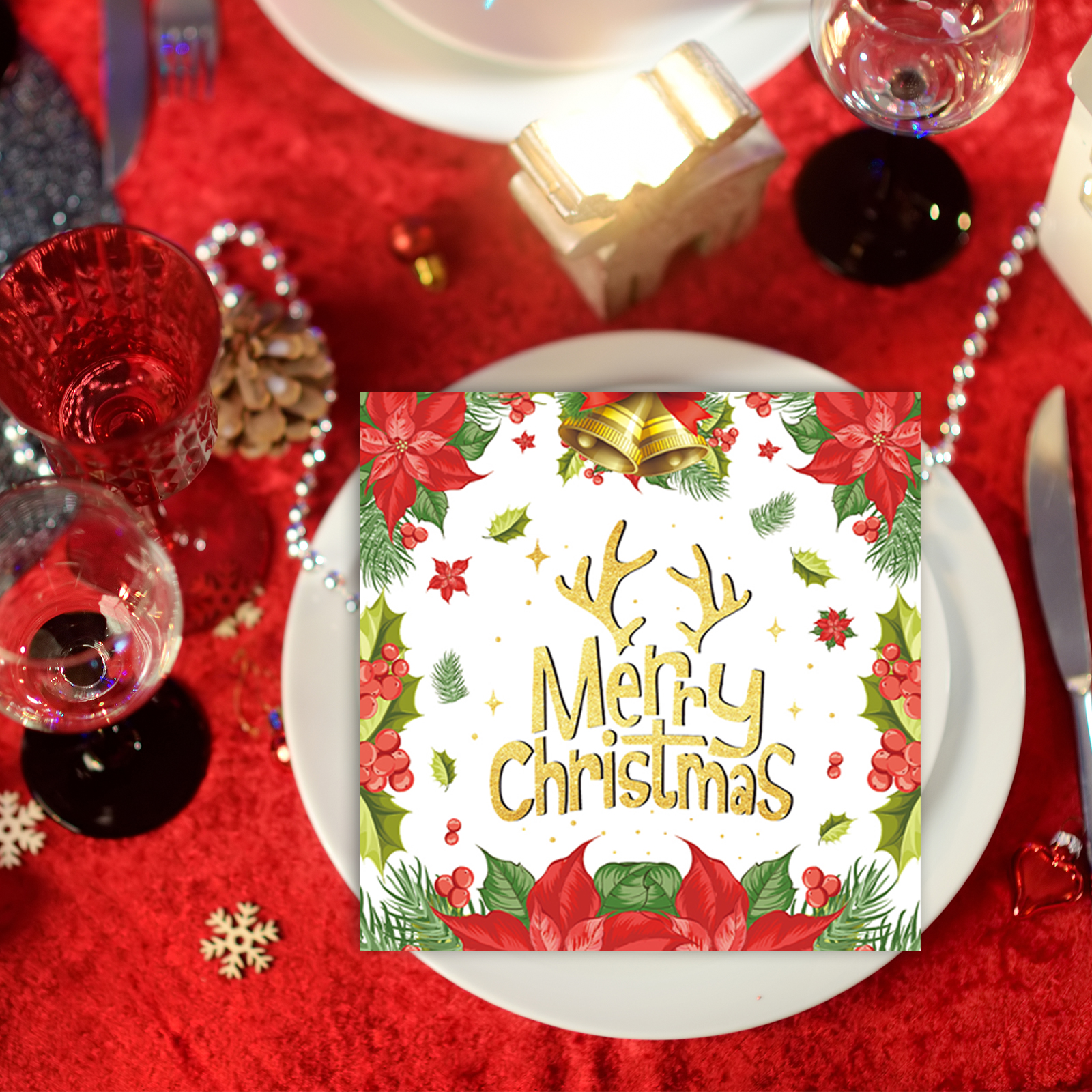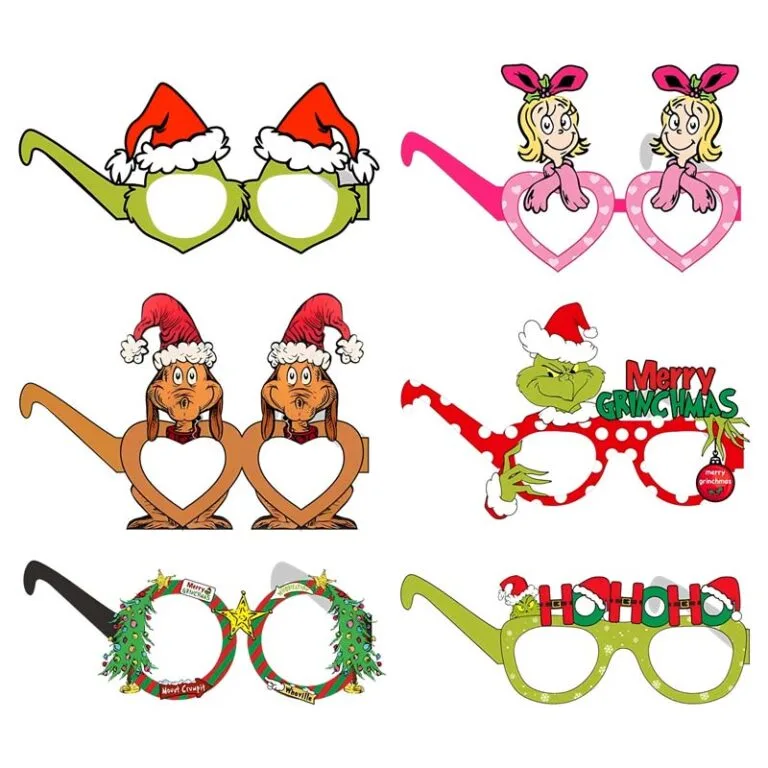

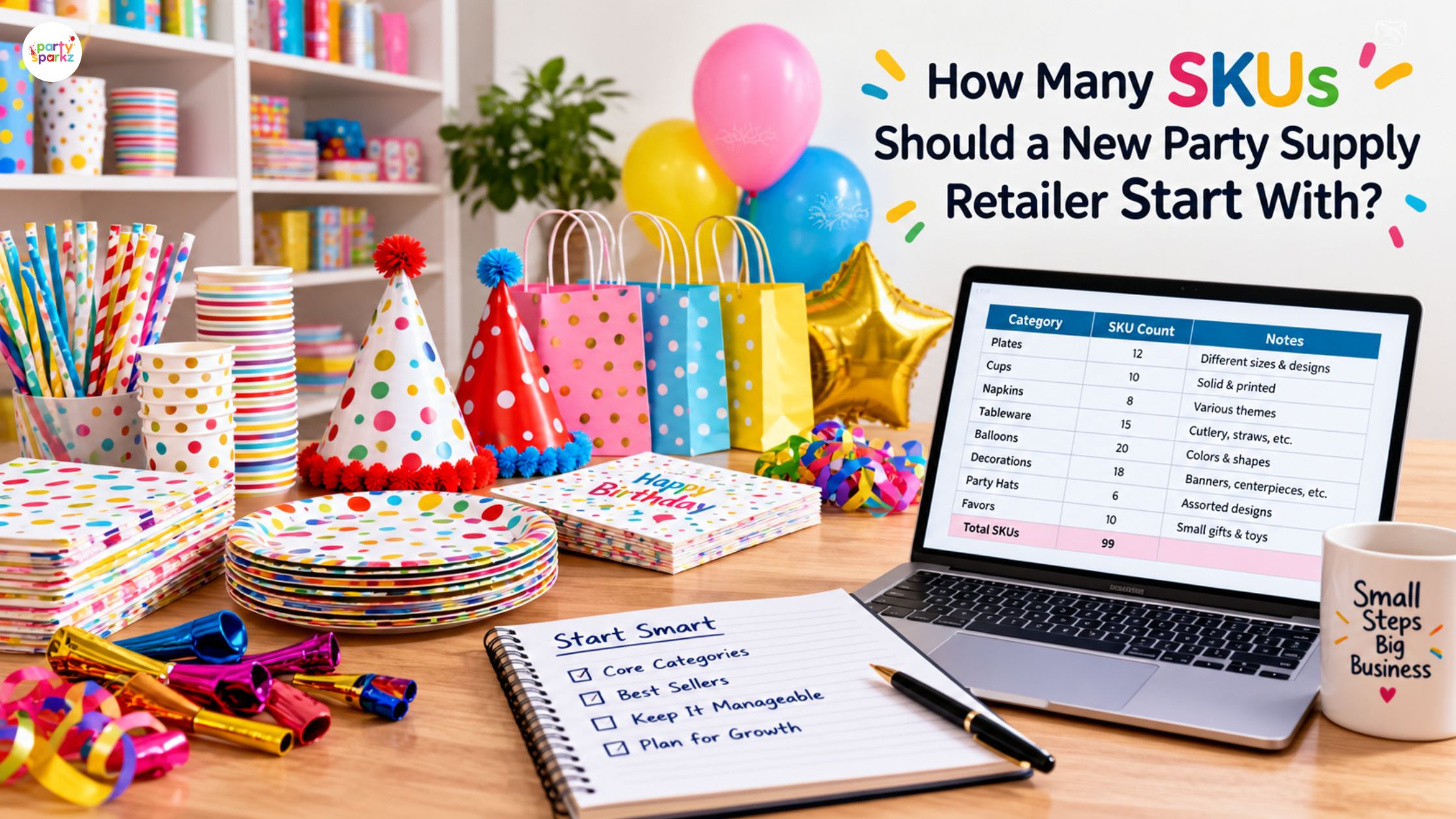
How Many SKUs Should a New Party Supply Retailer Start With? A new party supply retailer should start with roughly 30-80 SKUs, weighted heavily toward evergreen, year-round sellers like balloons, tableware, and basic decorations, with a small seasonal layer tied to the next 1-2 upcoming occasions and only a handful of trend-driven or novelty items. This is narrower than what many first-time buyers assume they need — general retail data consistently shows that smaller, focused catalogs outperform broad ones in the critical first few months, before there’s any sales data to guide expansion.
Here’s the reasoning behind that range, how to split it across product categories, and how SKU count should evolve as a retailer moves from launch to established operations.
Table of contents
- What Does General Retail Data Say About Starting SKU Count?
- Recommended SKU Breakdown for a New Party Supply Retailer
- Why Evergreen Products Should Anchor a First Order
- How Many Seasonal SKUs Should a New Retailer Add?
- What About Milestone and Life-Event Categories?
- Should a New Retailer Stock Trending or Novelty Products?
- How Should SKU Count Change as the Business Grows?
- What Should a First Order Actually Cost?
- Common SKU-Count Mistakes New Retailers Make
- Where This Data Comes From
- Getting Started with a Low-Risk First Order
- Quick Answer Recap
What Does General Retail Data Say About Starting SKU Count?
Retail inventory research consistently points toward starting lean rather than broad. New online store guidance commonly recommends beginning with 10-30 focused products rather than competing with established stores carrying hundreds of SKUs, specifically to keep operations manageable before there’s sales history to guide decisions. Even in categories that eventually support much larger assortments, the consistent theme is that most businesses succeed with meaningfully fewer SKUs than owners initially assume — with 100-300 SKUs frequently cited as the practical ceiling for a well-run, non-superstore retail operation, well below what larger chains carry.
The 80/20 principle shows up repeatedly in this data too: dedicating the majority of inventory space and buying budget to the roughly 20% of items that drive the most sales, rather than spreading budget evenly across a wide catalog, consistently outperforms broad, shallow stocking for new and smaller retailers specifically.
Recommended SKU Breakdown for a New Party Supply Retailer
| Category Tier | Recommended SKU Count | Purpose |
| Evergreen core (balloons, basic tableware, candles) | 15-25 SKUs | Year-round demand, no seasonal risk, foundation of first orders |
| Next 1-2 upcoming seasonal occasions | 10-20 SKUs | Captures near-term revenue spikes without overcommitting to distant seasons |
| Milestone/life-event categories (birthday, baby shower) | 5-15 SKUs | High, consistent demand not tied to calendar season |
| Trend/novelty testing batch | 5-10 SKUs | Small, low-risk exposure to viral or trending product categories |
| Total starting range | 35-70 SKUs | Manageable for a first order while covering core demand |
This breakdown intentionally weights evergreen products heavily, since balloons and basic tableware carry the least demand-forecasting risk of any category in party supplies — they sell consistently regardless of season, trend cycle, or local event calendar.

Why Evergreen Products Should Anchor a First Order
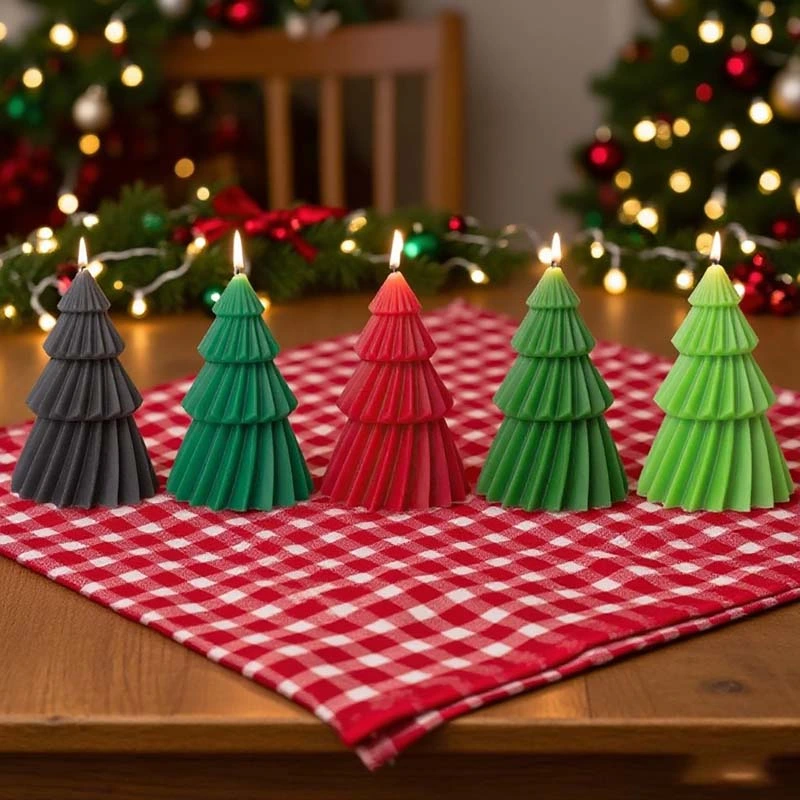
Balloons remain the highest-volume category across the party supplies industry globally, and standard tableware and birthday candles are consistent year-round sellers regardless of season. For a first-time retailer with no sales history to draw on, these categories carry the lowest forecasting risk in the entire product range, which is exactly why they should make up the largest single share of a starting SKU count.
Retailers building this evergreen foundation can start by reviewing balloon assortments through wholesale party supplies for resale programs, which are generally structured around exactly this kind of low-risk, high-turnover starting inventory rather than requiring commitment to a full seasonal catalog on day one.
Also read – factory direct party supplies manufacturer
How Many Seasonal SKUs Should a New Retailer Add?
Seasonal and holiday-specific products drive significant revenue in short windows, but they also carry the highest inventory risk for a new retailer, since unsold seasonal stock has limited resale value once the occasion passes. The practical approach for a first order is to pick only the next one or two occasions actually coming up — not stock a full year of seasonal variety before any sales data exists to justify it.
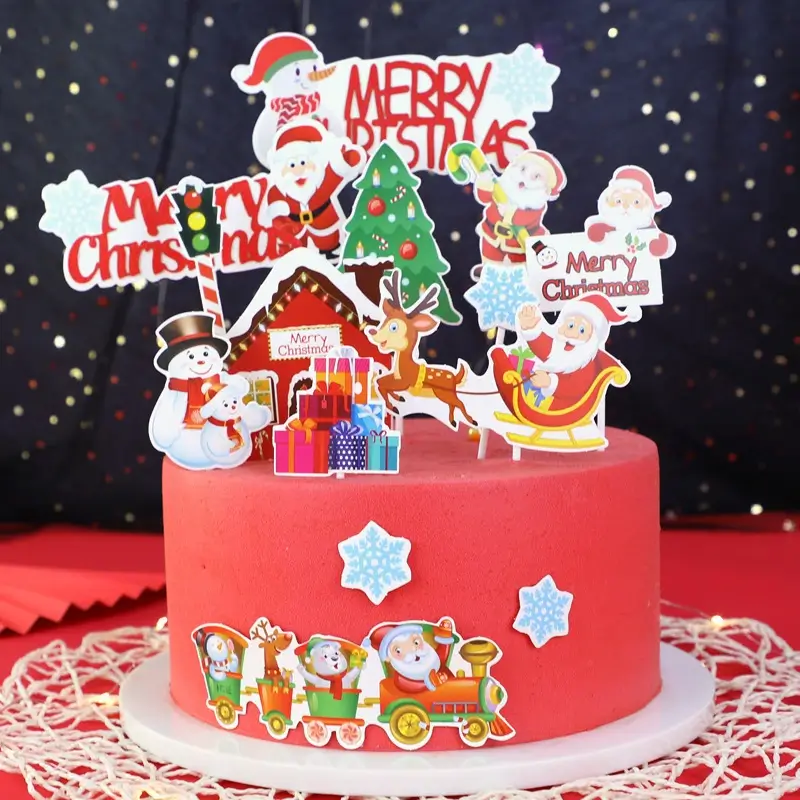
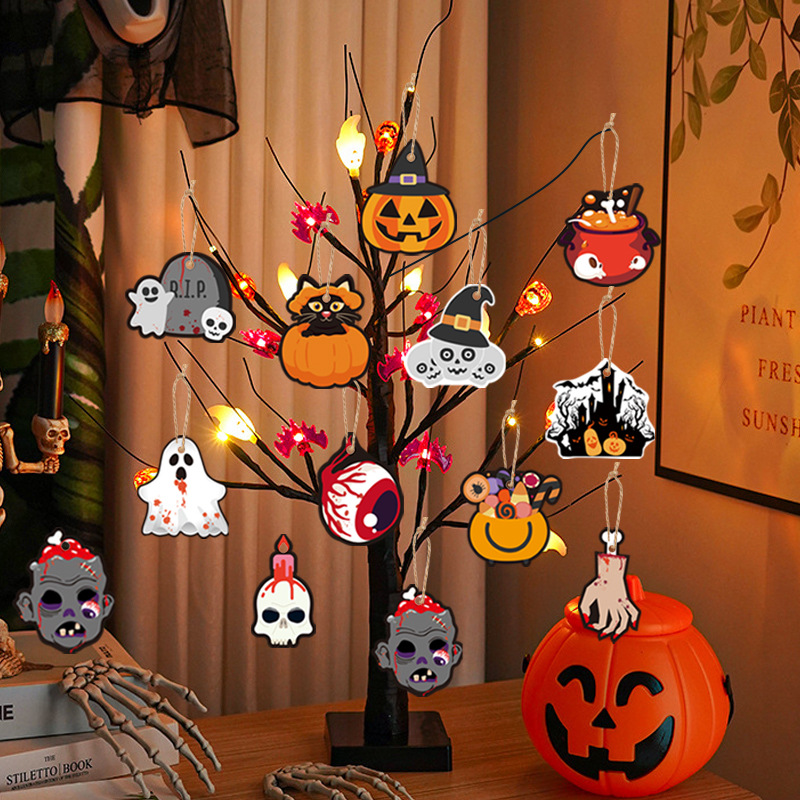
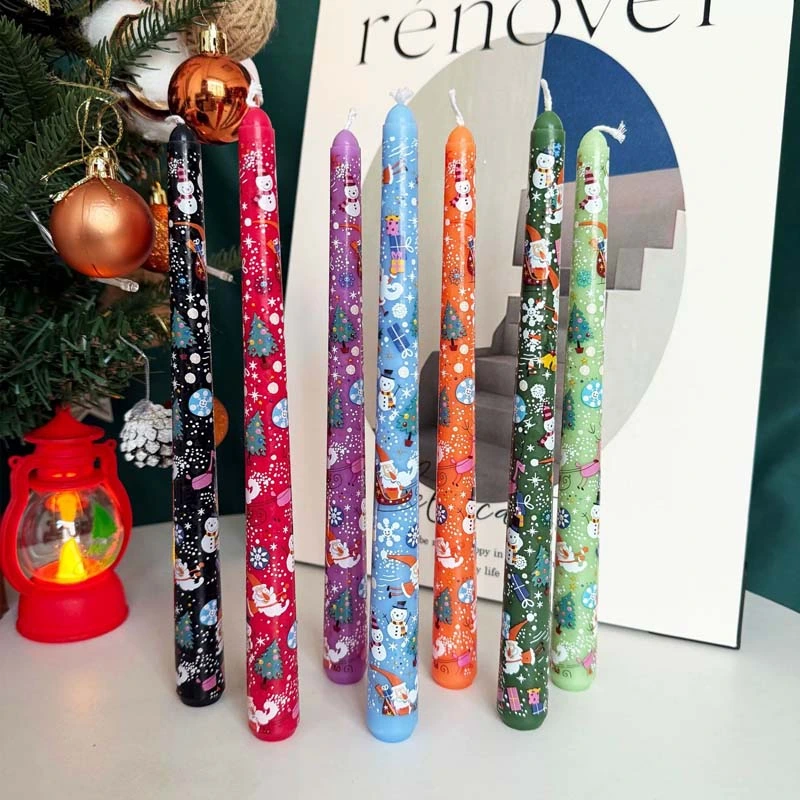
For a retailer launching, say, in late summer, this might mean prioritizing Halloween party supplies and Christmas party supplies SKUs specifically, while holding off on stocking Valentine’s Day or Easter party supplies until closer to those dates, once early sales data from the first two seasons is available to inform how much to commit.
What About Milestone and Life-Event Categories?
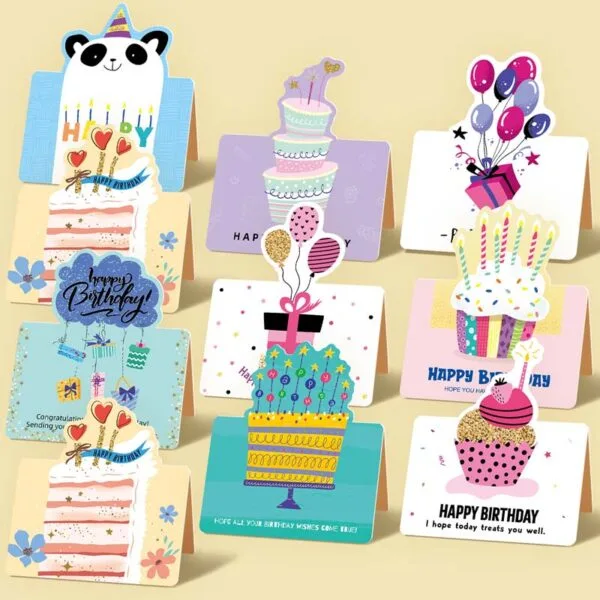
Unlike seasonal occasions tied to a fixed calendar date, milestone events — birthdays, baby showers, graduations, retirements — generate demand year-round and are worth including in an initial SKU count precisely because they don’t carry the same use-it-or-lose-it risk as holiday-specific inventory. A modest starting assortment across happy birthday party supplies, baby shower decorations and supplies, and graduation party supplies gives a new retailer exposure to consistent, non-seasonal demand without the forecasting risk that comes with a full seasonal catalog.
Should a New Retailer Stock Trending or Novelty Products?
Trending products can bring new customer traffic and differentiate a new retailer from established competitors, but they carry real risk since it’s genuinely difficult to know how much local demand exists for a specific trend until it’s tested. The standard approach recommended across retail sourcing guidance is to start small with trending items — a handful of SKUs, not a full category commitment — and reorder based on actual sell-through rather than assuming a viral trend will perform the same in every local market.
This is also where low-MOQ sourcing becomes especially valuable: a retailer testing a trend-driven category with only 5-10 SKUs needs a supplier willing to fulfill small test quantities rather than requiring a full-container commitment before any demand has been confirmed.
How Should SKU Count Change as the Business Grows?
Starting lean doesn’t mean staying lean forever — SKU count should expand based on evidence, not assumption. A useful pattern reported by retailers who’ve gone through this stage: businesses that break even in year one commonly double their inventory by year two, often specifically as they add new service lines or product categories once the core assortment has proven itself. The key discipline is expanding SKU count in response to actual sales data — reorder rates, sell-through speed, customer requests — rather than adding inventory reactively just because a category exists.
A practical review cadence many retailers adopt: review the full catalog quarterly, but review high-turnover categories like balloons and tableware monthly, since these categories move fast enough that quarterly-only reviews risk stockouts on the very products driving the most revenue.
What Should a First Order Actually Cost?
Budget expectations should scale with the SKU range above. Most first-time party supply retailers work with an initial wholesale inventory investment in the $2,000-$10,000 range, particularly for online or smaller storefront models, rather than the far larger capital outlay associated with a full big-box-style launch. Retailers can review a fuller breakdown of startup economics in PartySparkz’s own guide covering the pros and cons of starting a party supply business, which covers typical startup cost ranges and gross margin expectations (commonly 30-50% on wholesale-purchased products) alongside the inventory planning considerations covered here.
Common SKU-Count Mistakes New Retailers Make
A few patterns consistently trip up first-time buyers:
- Overcommitting to a full seasonal calendar before launch. Stocking all major holidays in a first order ties up capital in categories that won’t sell for months, when that same budget could instead expand the evergreen core or fund a second seasonal reorder once early sales data exists.
- Spreading budget evenly across too many SKUs. Given how strongly the 80/20 pattern holds in retail generally, an even split across 100+ SKUs on day one usually underfunds the handful of products that will actually drive most of the revenue.
- Treating trend products as a core category rather than a test. A trending item deserves a small test batch, not the same order quantity as a proven evergreen SKU.
- Underestimating the operational cost of a wide catalog. More SKUs mean more receiving, more inventory tracking, and more reorder decisions — overhead that a new retailer, often working without dedicated inventory staff, may not be equipped to manage well from day one.
Where This Data Comes From
For retailers wanting to dig further into the inventory planning principles behind this SKU range:
- Folio3’s inventory planning guide for new stores covers the reasoning behind starting with a focused 10-30 product range and how to calculate reorder points once sales data becomes available.
- Toast’s retail inventory balance guide breaks down the 70-80% inventory-space allocation toward top-performing SKUs referenced above, along with review cadence recommendations by category turnover speed.
Getting Started with a Low-Risk First Order
The SKU range recommended here only works in practice if a retailer’s supplier can actually fulfill small, mixed-category orders rather than forcing a commitment to thousands of units per SKU before any demand is confirmed. PartySparkz’s wholesale party supplies catalog supports exactly this kind of first order — white-label in-stock options from as few as 50 sets let a new retailer build out the 35-70 SKU range above without over-committing capital to any single category, and the assortment spans evergreen balloons and tableware through seasonal and themed wholesale party decorations in one supplier relationship. Retailers newer to this process can also review wholesale party supplies for business owners guidance for help sequencing a first order against the category breakdown covered in this guide.
Quick Answer Recap
New party supply retailers should start with roughly 35-70 SKUs, weighted heavily toward evergreen products like balloons and tableware (15-25 SKUs), with a smaller seasonal layer covering only the next 1-2 upcoming occasions (10-20 SKUs), a modest milestone/life-event assortment (5-15 SKUs), and a small trend-testing batch (5-10 SKUs). This range reflects broader retail data showing that focused, lean starting catalogs consistently outperform broad ones before sales history exists to guide expansion, and SKU count should grow based on actual reorder and sell-through data rather than assumptions — commonly doubling by year two for retailers who validate demand successfully in their first year.