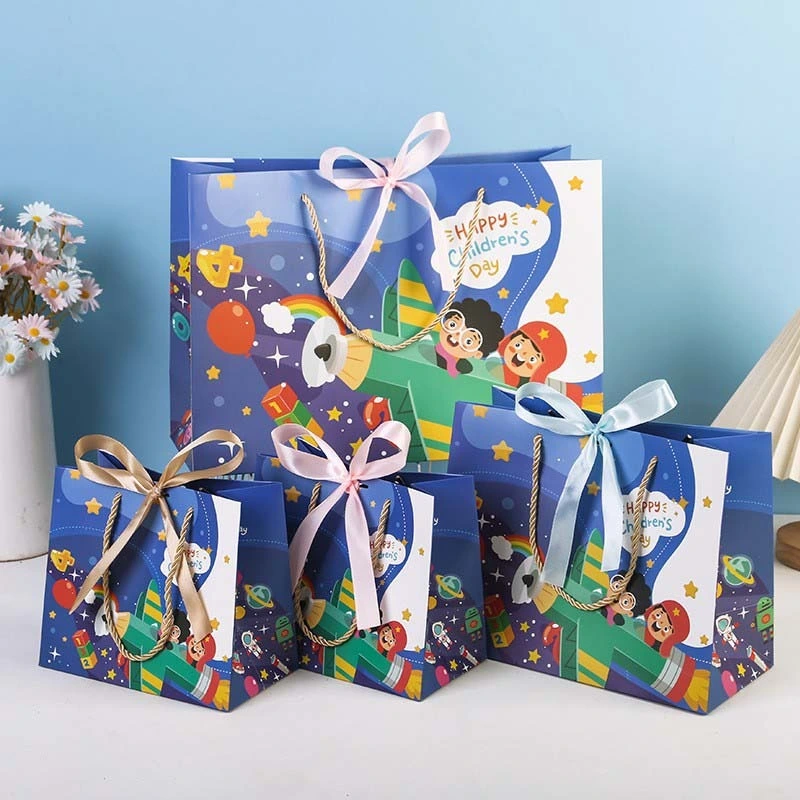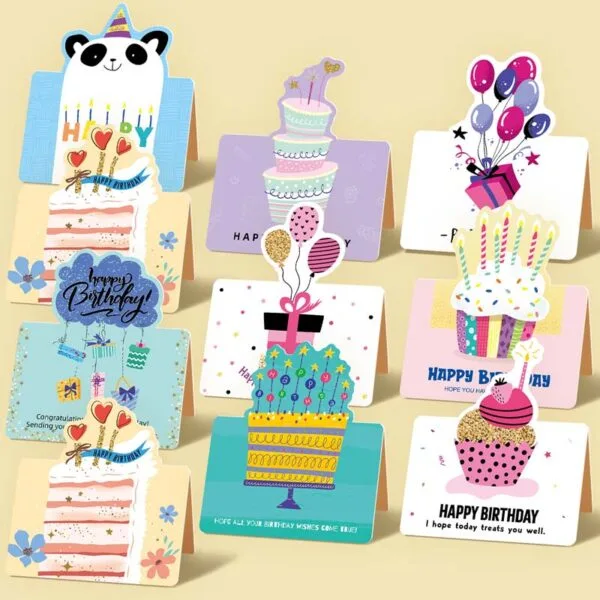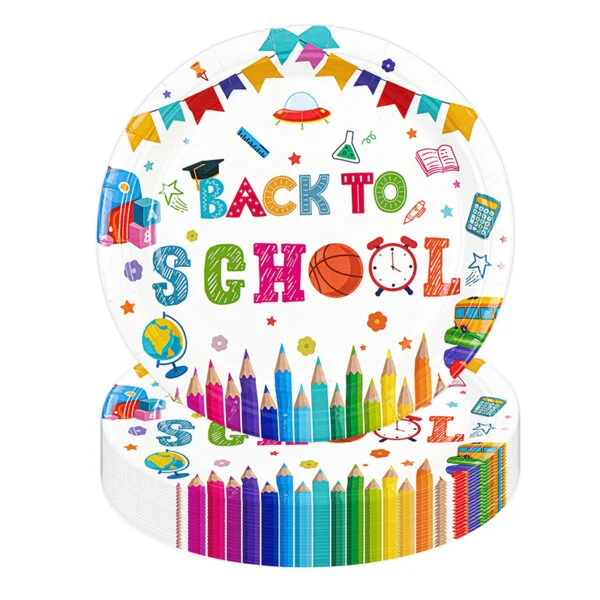

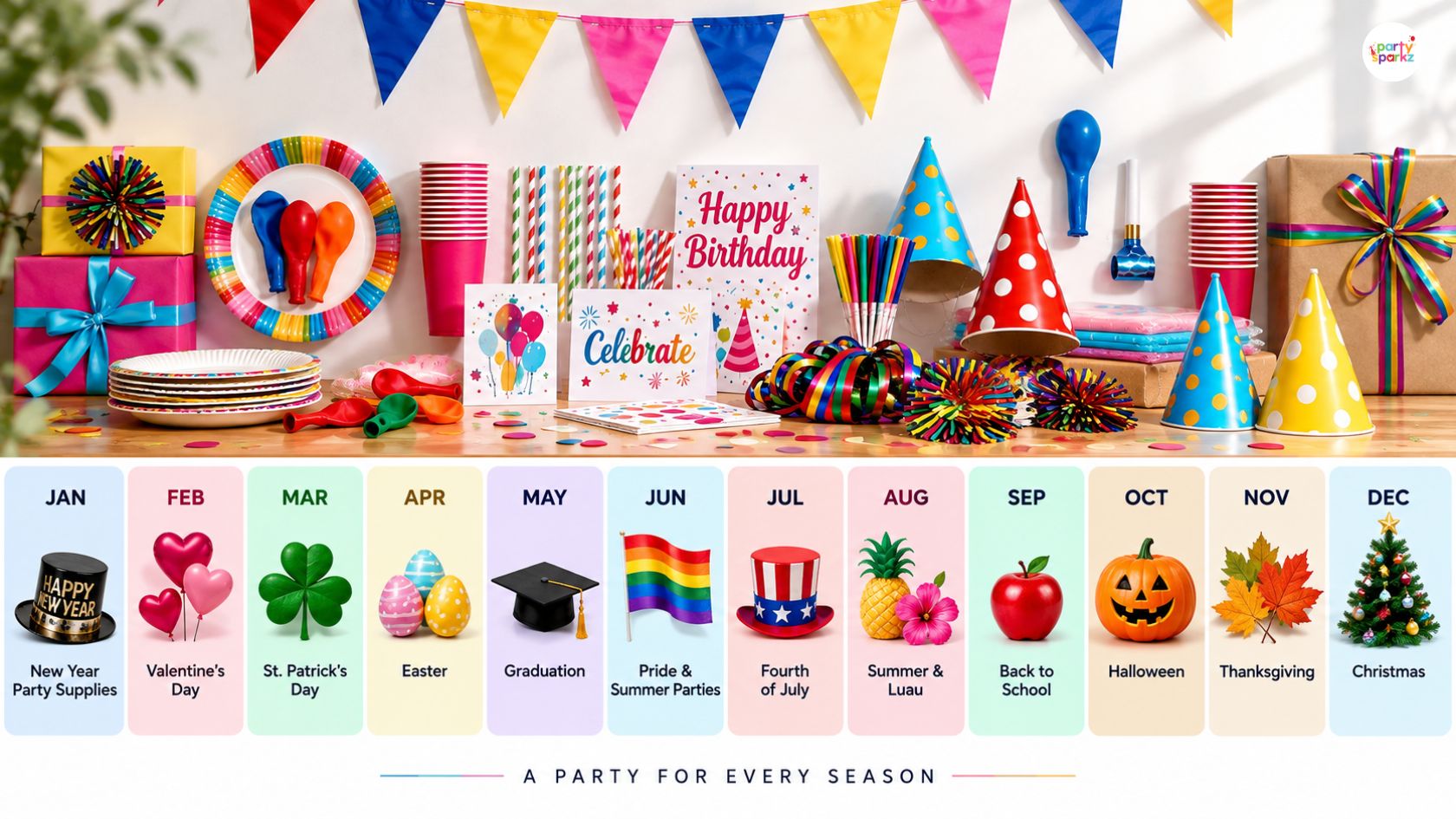
The best-selling seasonal party products follow a predictable monthly rhythm: Valentine’s Day tableware and red-pink decorations lead January and February; spring and Easter florals take March; bridal and graduation setups dominate April through June; outdoor and patriotic supplies peak in summer; Halloween costumes and decorations become the single biggest October category; and Christmas and New Year’s supplies drive the highest overall volume of the year from September through December. The buyers who consistently outperform the market are not buying when the occasion arises; they are buying two to three months in advance.
Table of contents
- Why the Seasonal Calendar Is the Most Commercially Useful Tool a Party Buyer Has
- What Real Buyers Ask Before Building a Seasonal Buying Calendar
- January — New Year Clearance Meets Valentine’s Day Planning
- February — Valentine’s Day and the Start of Spring and Bridal Season
- March — Easter, St Patrick’s Day, and Spring Events
- April — Bridal Season, Mother’s Day Planning, and Spring Peak
- May — Mother’s Day, Graduation Season, and the Memorial Day Bridge
- June — Graduation Peak, Wedding Season, and Summer Begins
- July — 4th of July, Summer Parties, and the Early Start of Autumn Stocking
- August — Back to School, Summer Wind-Down, and the Halloween Ramp-Up
- September — Halloween’s Biggest Wholesale Month and Christmas Begins
- October — Halloween Peak, Early Christmas Stocking, and the Most Important Retail Month
- November — Christmas at Full Speed and Year’s Highest Revenue Month
- December — Christmas, New Year’s Eve, and the Full-Year Planning Window
- The Full-Year Buying Calendar at a Glance
- How PartySparkz Covers the Full Seasonal Calendar
- Frequently Asked Questions
Why the Seasonal Calendar Is the Most Commercially Useful Tool a Party Buyer Has
The party supplies market is fundamentally driven by events, and events are predictable. Unlike fashion or electronics, where trend shifts are difficult to forecast, party supplies follow a calendar that repeats with reliable consistency year after year. What changes between years is the relative intensity of spending, and in 2026, that intensity is unusually high.
According to market data, every major event-driven spending category tracked by the National Retail Federation hit at or near record levels in 2025: Valentine’s Day, Mother’s Day, Father’s Day, Halloween, and the holiday season all exceeded previous spending records. The NRF noted explicitly that “all of the event-driven spending we’ve seen Valentine’s Day, Mother’s Day, Father’s Day, back-to-school and Halloween has been at or near record levels.” The global party supplies market is valued at $21.79 billion in 2026 and is forecast to reach $33.65 billion by 2035, with the decorations segment growing at the fastest rate among categories.
For wholesale buyers, this context matters because it tells you that the demand side of the equation is growing, which means the risk of over-buying well-chosen seasonal products is lower than the risk of under-buying and running out during the selling window.
The other critical insight from Faire’s 2026 wholesale buying calendar, built from aggregated global retailer search data, is that wholesale demand for every major seasonal occasion starts two to four months before the occasion itself. Valentine’s Day wholesale demand peaks in January. Halloween wholesale demand peaks in September. Christmas wholesale demand peaks in November. Buyers who are sourcing at the peak of wholesale demand are already behind the buyers who placed their orders during the acceleration phase. The calendar below is structured around this principle: it tells you not just what sells in each month, but when to order it.
What Real Buyers Ask Before Building a Seasonal Buying Calendar
The genuine questions from wholesale buyers, retailers, and event planners that this guide is built to answer are consistently the same.
“Which months are truly quiet and which are the highest-volume selling windows?” The honest answer is that no month is genuinely quiet for party supplies, but December, October, and the spring bridal season carry disproportionate volume.
“How far ahead should I order for each major occasion?” The answer varies by occasion and sourcing geography, and the specifics are covered in each month’s section.
“Which product categories have the longest and shortest selling windows?” Balloons and tableware have the widest windows; themed novelty items have the narrowest.
“What does 2026 specifically change about the seasonal calendar that previous years did not?” The 4th of July answer is definitive — America’s 250th anniversary creates a once-in-a-generation demand spike in the summer patriotic category. Everything else follows the established pattern with elevated absolute spend.
“Is there a month where every dollar of wholesale investment carries the lowest risk?” October and November, for Christmas supply buying, carry the lowest risk of any seasonal bet. The occasion is fixed, the spending trajectory is reliably upward, and the product range is the widest and most tested of any seasonal category.
January — New Year Clearance Meets Valentine’s Day Planning
January operates on two tracks simultaneously, and buyers who understand both will consistently outperform those who see it only as post-Christmas recovery.
The first track is the tail end of the Christmas and New Year’s Eve season. Metallic decorations, countdown party supplies, champagne flutes and glass accessories, and party poppers continue to sell through January as late parties and corporate events run into the new year. This inventory should not be discounted aggressively before January 10th — the selling window is longer than most buyers account for.
The second track, and the more commercially significant one, is the beginning of Valentine’s Day buying. According to Faire’s wholesale data, Valentine’s Day retailer search activity grows from modest levels in October through a 7x monthly acceleration between November and December, reaching its wholesale demand peak in January at 48,411 global searches. More than 85% of all Valentine’s wholesale demand occurs between December and February, which means January is the critical ordering month for any buyer who has not already placed their Valentine’s core order.
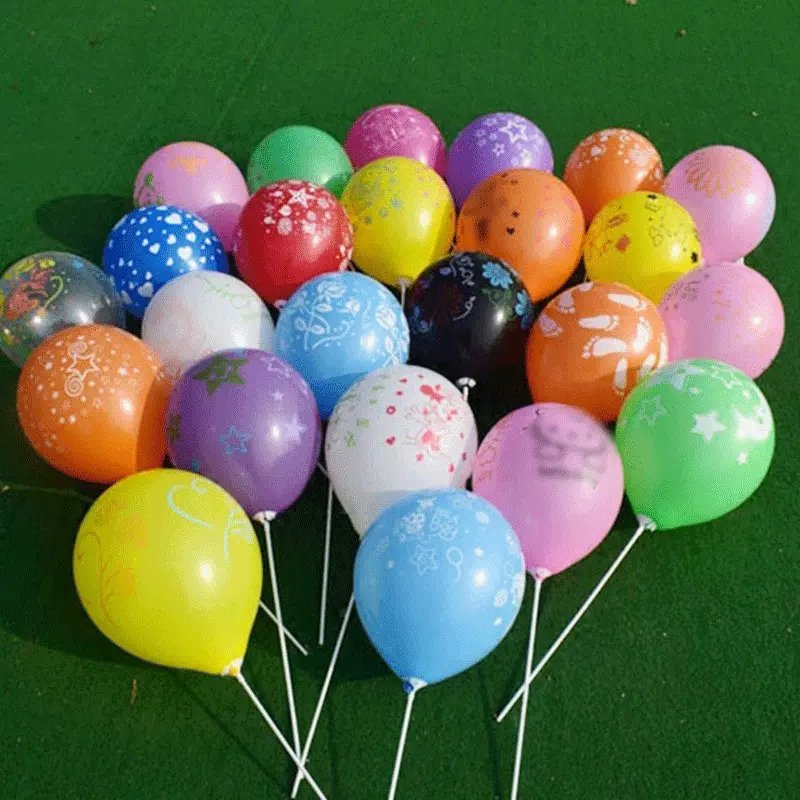
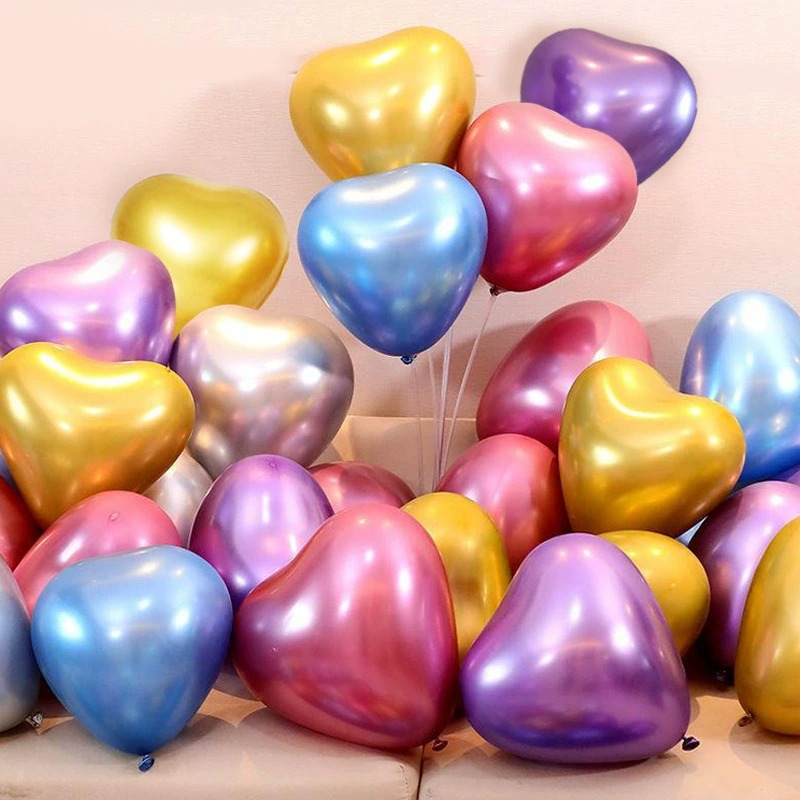
The products that lead January Valentine’s Day buying are: heart-shaped foil balloons in red, pink, and rose gold; red and pink tableware sets (plates, napkins, cups); “Love” and “Be Mine” letter banners; heart-shaped confetti; pink and red balloon arch kits; and gift bag packaging in Valentine’s colourways. Sellers who wait until late January to order are sourcing at the peak of competition and will face reduced availability on the most popular designs.
Order timing for Valentine’s Day: Core wholesale order by early December. Top-up orders by mid-January.
What to stock for January selling: New Year’s Eve tail inventory through January 10th, plus early Valentine’s Day accessory items for customers planning.
Also read – Import duties on party supplies
February — Valentine’s Day and the Start of Spring and Bridal Season
Valentine’s Day is the month’s dominant occasion, and the NRF’s 2026 data is unambiguous about its scale: consumer spending is forecast to reach a record $29.1 billion, up 6% from 2025 and growing at nearly double the rate of overall US retail. The per-person spend of $199.78 is the highest ever recorded. For party supply buyers, the relevant figure is the $7 billion spent on jewelry alongside significant spending on flowers, greeting cards, and home entertainment, all of which create parallel demand for celebration decoration supplies, table decoration sets, and gift packaging.
The best-selling Valentine’s party products in February are: heart-shaped balloon sets, red and pink garlands and streamers, Valentine ‘s-themed tableware including plates and napkins, romantic candle sets, gift wrapping and ribbon in red and pink, and “Happy Valentine’s Day” banners and signs. The selling window is concentrated into the first two weeks of February, which means any stock not sold by February 15th carries significant markdown risk.
February is also the start of the bridal and spring wedding season planning cycle. Brides getting married in April, May, and June are beginning their decoration research in February, and retailers and event planners who carry early-season bridal shower and engagement party supplies are capturing this demand ahead of the competition.
Order timing for February sales: Valentine’s stock should be in the warehouse by late January. Bridal planning supplies are an opportunistic add-on throughout February.
March — Easter, St Patrick’s Day, and Spring Events
March carries two distinct product peaks that require separate buying plans because they do not share a colour palette or a customer.
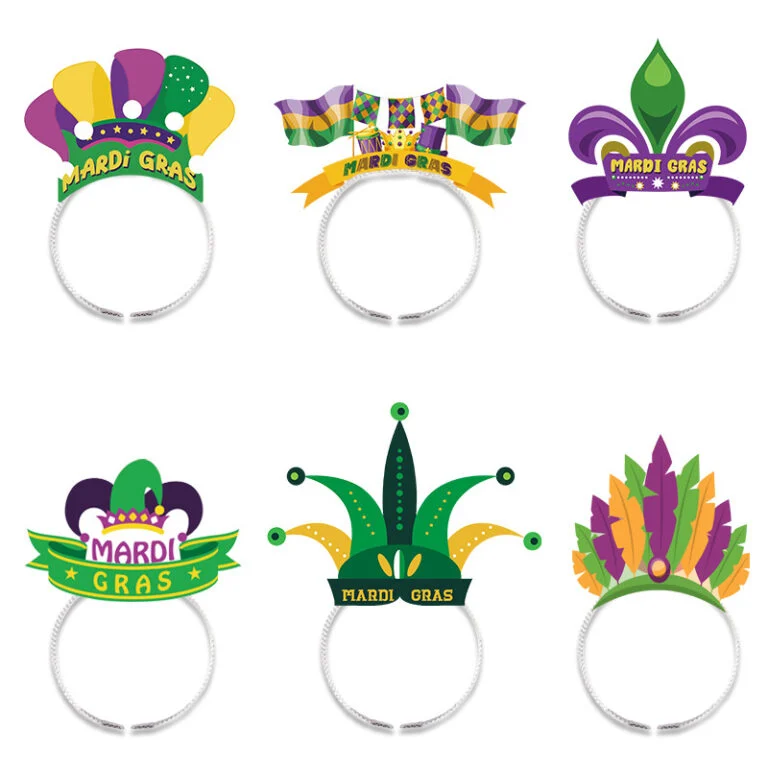
St Patrick’s Day on March 17th drives demand for green-themed party supplies in the first half of the month: green balloons, shamrock decorations, “Luck of the Irish” banners, green and gold tableware, and wearable accessories, including green hats and bead necklaces. The selling window is short and concentrated from approximately March 10th to March 17th, which means overstocking carries real markdown risk. Buy conservatively on novelty items and more aggressively on reusable green balloons and tableware that can transition into spring and garden party supplies.
Easter is the larger commercial opportunity in March and April. Faire’s wholesale data shows Easter retailer search activity growing from 953 in November to over 13,000 by January, peaking in March at over 23,000 searches. The key Easter party supplies categories are: pastel balloon sets in yellow, pink, lavender, and mint; Easter-themed tableware with egg and chick motifs; spring floral table decoration sets; paper favour bags in pastel colours; egg hunt accessories and treat bags; and spring brunch decoration sets. Easter’s date varies between late March and late April, which requires date-specific buying timing each year.
Spring events — garden parties, outdoor brunches, and floral-themed celebrations begin their selling season in March and run through May. The botanical and wildflower aesthetic that dominated baby shower and bridal shower themes through 2025 has fully extended into the general spring party category, creating demand for dried botanicals, wildflower-print tableware, and neutral, earthy-toned decoration sets.
Order timing: St Patrick’s Day stock in store by March 5th. Easter stock ordered by January (lead time dependent on Easter date), in store by three weeks before Easter Sunday.
April — Bridal Season, Mother’s Day Planning, and Spring Peak
April is the most diverse month on the seasonal party calendar. Three distinct buying occasions overlap: bridal season hits full stride, Mother’s Day wholesale demand reaches its acceleration phase, and spring garden parties become the dominant weekend consumer occasion.
Bridal showers are among the highest-value party events on the wholesale calendar. The average spend per bridal shower is significantly higher than a standard birthday celebration, and the product categories that sell best are premium: quality floral centrepieces, personalized banners and signs, coordinated tableware in the bride’s colour palette, and photo backdrop setups. Floral wall panels, balloon arches in blush and white, and personalized acrylic signage are the decoration categories where buyers see the strongest margin per unit.
Mother’s Day wholesale activity enters its acceleration phase in April, building toward a peak in late April and early May. Faire’s data shows Mother’s Day wholesale demand reaching 21,481 searches in April, the peak month for retailer ordering. Mother’s Day party supplies skew toward floral themes, pastel colour palettes, premium tableware for brunch setups, and gift packaging. The average spending on Mother’s Day consistently outperforms Father’s Day by approximately 20–25%, with US Mother’s Day spending reaching $35.7 billion in 2024 at $274 per person. This is the highest per-event consumer spend of any non-Christmas occasion on the calendar.
Best-selling April products: Bridal shower decoration kits, balloon arches in blush and white, spring floral tableware, Mother’s Day gift packaging, and garden party decoration sets in botanical themes.
May — Mother’s Day, Graduation Season, and the Memorial Day Bridge
May is the month where multiple spending occasions overlap most intensely, and buyers who plan for all three simultaneously will see higher sell-through rates than those treating them as separate buying decisions.
Mother’s Day falls in the first half of May and remains the peak selling window for all April-ordered Mother’s Day stock. Any buying at this stage should be focused on reorders of proven sellers rather than new product introduction.
Graduation season begins building strongly in May and runs through June. NRF data consistently shows graduation gift spending reaching multi-billion-dollar levels annually, and the party supplies component of graduation celebrations is significant: graduation-themed banners and signs, school-colour balloon sets, photo booth prop kits, tableware in the graduate’s school colours, and celebration favour bags. Personalized graduation decoration sets with name customization or school colour specification command the highest margins in this category and are worth stocking as a premium option alongside standard graduation designs.
Memorial Day weekend in late May creates the year’s first outdoor party supply peak: patriotic red, white, and blue tableware, outdoor-grade decorations, and barbecue party accessory sets all spike in the Memorial Day selling window. This is a preview of the larger summer patriotic peak to come in July.
Must read - quality of China-made party suppliesOrder timing for May selling: Mother’s Day top-up orders by late April. Graduation supplies ordered by early April. Memorial Day patriotic supplies ordered by late March.
June — Graduation Peak, Wedding Season, and Summer Begins
June is the month when graduation celebrations hit their highest volume and the summer outdoor party season moves from warm-up to full swing.
Graduation parties are the defining occasion of early June. The product mix that consistently sells through in June graduation buying includes: “Congratulations Graduate” banner sets, balloon arches in school colours or gold and black combinations, graduated photo display sets, personalized cake toppers, and money-themed favour accessories. The personalized segment of graduation supplies is particularly strong for buyers who can offer personalization options (name on a banner, school year on a design), capturing a customer who is willing to pay a premium for the right product.
Wedding and engagement party supplies reach peak volume in June. The June wedding is culturally embedded as the peak of bridal season, and the associated party supply demand engagement party decoration kits, wedding backdrop setups, bridal shower tableware, rehearsal dinner decoration sets create the broadest mid-year demand across the entire party supply category.
Summer outdoor party supplies, garden party decoration sets, outdoor balloon weights, weather-resistant banners, and barbecue accessory sets are fully in season from June onward. Buyers who stock summer outdoor ranges in May will see reorder demand through June and July.
Best-selling June products: Graduation decoration kits, bridal and wedding accessories, summer outdoor party sets, barbecue and outdoor tableware, photo booth backdrop kits.
July — 4th of July, Summer Parties, and the Early Start of Autumn Stocking
July 2026 is unlike any previous July in the lifetime of most buyers. The 4th of July Semiquincentennial America’s 250th birthday makes this the single largest patriotic party occasion in 50 years, with demand for Independence Day party supplies across every category running significantly above normal years. The 250th anniversary creates a dedicated premium product segment, “1776–2026” branded decoration sets, Semiquincentennial-specific banners, and anniversary-themed tableware that does not exist in a standard 4th of July buying season.
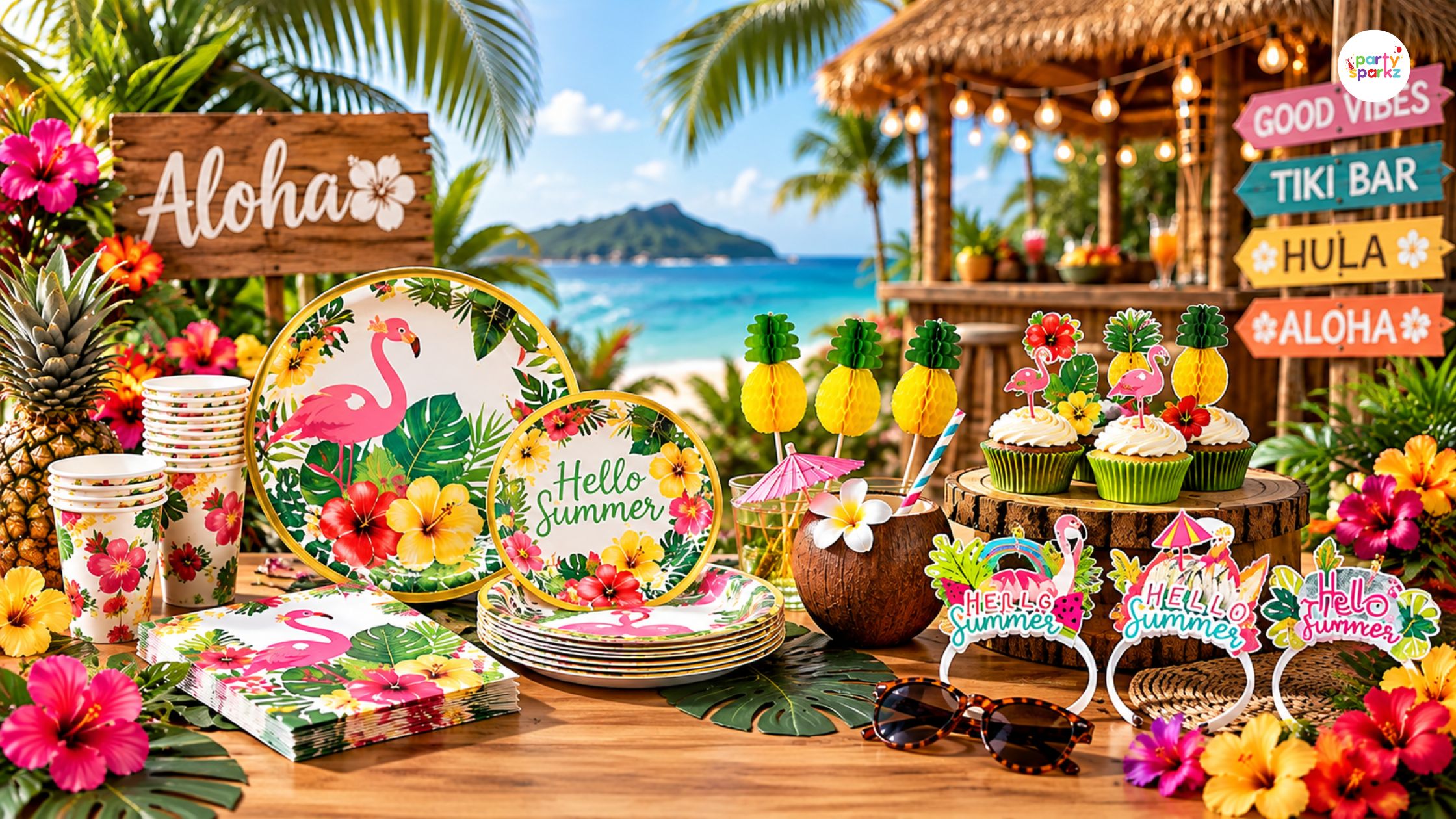
Even in a normal year, the 4th of July is a substantial commercial moment. Red, white, and blue tableware in all formats, American flag decorations, patriotic balloon arches, star-shaped foil balloons, and wearable accessories are the core product categories. The selling window is concentrated: most 4th of July purchases happen in the week before July 4th, making any stock remaining after July 5th difficult to sell through at full margin.
Crucially, buyers placing July orders in July are too late. The 4th of July ordering window for standard wholesale is early April. For custom or anniversary-specific ranges, orders should have been placed in January or February. Post-July 4th, buyers who sourced well should be turning their attention to autumn and Halloween, which have already begun their wholesale demand acceleration phase by July.
Order timing for July selling: Patriotic core stock ordered by early April (see the dedicated 4th of July wholesale checklist for full details). Autumn and Halloween stocking begins ordering in July for August-September delivery.
August — Back to School, Summer Wind-Down, and the Halloween Ramp-Up
August is the month that catches under-prepared buyers off guard every year, because it feels like a summer month but functions as an early autumn month for wholesale buying.
Back to school coincides with the first genuine school-year celebration occasions: first-day-of-school parties, class welcome events, and teacher gift seasons all create party supply demand in the school-supply colour palettes of classic blue, apple red, and bright yellow. These categories are minor in volume compared to Halloween and Christmas but represent high-margin, low-competition products for buyers who stock them.
The Halloween wholesale ramp-up is the commercially critical August story. Faire’s data shows Halloween wholesale demand more than tripling from June to July (from 4,462 to 14,684 searches) and continuing to accelerate through August. According to NRF’s 2025 Halloween data, total spending reached a record $13.1 billion, with 78% of consumers planning to purchase decorations, spending $4.2 billion in total on decoration-specific Halloween purchases. Decorations and costumes are the two largest Halloween spending categories, exceeding candy.
Buyers who place their Halloween core wholesale orders in August, when wholesale demand is accelerating but not yet at peak, have better product selection, shorter competition for manufacturing capacity, and more flexibility in their delivery timing. Buyers who wait until September are sourcing at the most competitive point of the wholesale cycle.
Best-selling August products (for autumn selling): Halloween decoration kits, spooky balloon sets, black and orange garlands and banners, costumes and accessories, and pumpkin and ghost tableware. Summer wind-down products continue through August for outdoor parties.
September — Halloween’s Biggest Wholesale Month and Christmas Begins
September is the month where two major seasonal occasions overlap in a way that creates simultaneous wholesale buying pressure unlike any other point in the year.
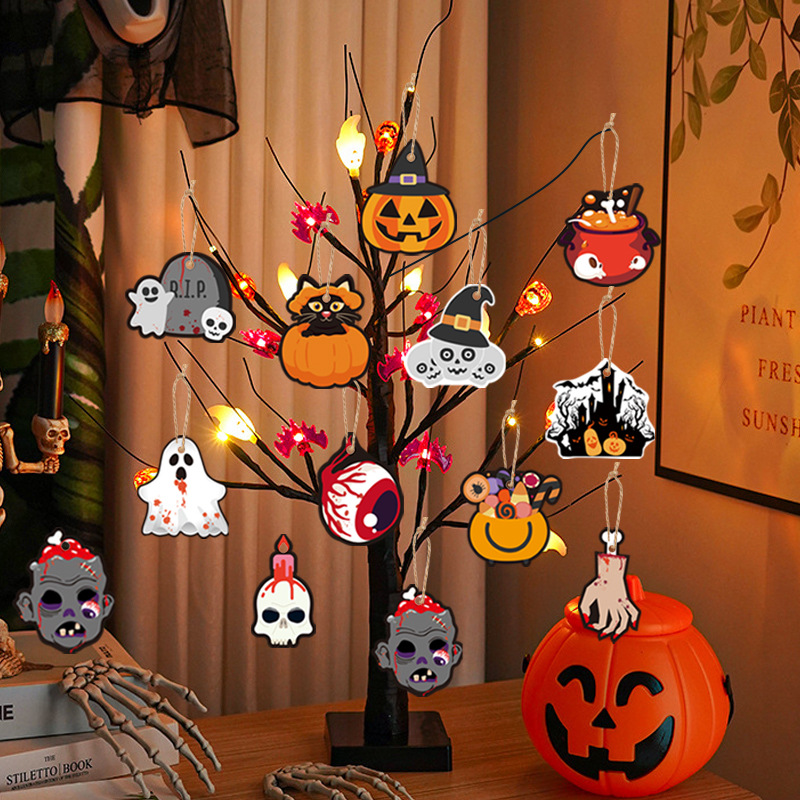
Halloween dominates September retail buying. The selling season for Halloween party supplies runs from approximately September 15th through October 31st, with a pronounced concentration in the last two weeks of October. Products that move fastest in September include decoration bundles (banners, garlands, tableware sets in pumpkin, ghost, and skull themes), costume accessories, and pre-assembled Halloween party kits. The 2025 NRF data confirms 73% of consumers plan to celebrate, 51% plan to decorate their home or yard, and 32% plan to throw or attend a party, which makes Halloween one of the highest-participation occasions for party supply buying of the year.
Christmas wholesale demand begins its acceleration phase in September in the UK. Faire’s data shows UK holiday search activity already elevated by September and peaking in October, earlier than all other European markets. For UK buyers, September is effectively the last comfortable month to place Christmas wholesale orders before competition for stock begins to intensify. For US and Australian buyers, the Christmas ordering acceleration happens slightly later, in October.
Order timing for Christmas: UK buyers: core orders placed by August, top-ups through September. US and Australia: core orders placed by September, top-ups through October.
Also read – Complete wholesale checklist for 4th of July party supplies
October — Halloween Peak, Early Christmas Stocking, and the Most Important Retail Month
October is the single most commercially intense month on the wholesale party calendar. Halloween selling peaks in the final two weeks, Christmas retail setups appear in the first week across most markets, and any buyer who has not placed their Christmas wholesale orders before October is facing a competitive and compressed supply environment.
Halloween’s peak selling window runs from October 15th through October 31st. The products that generate the highest sales volume in the Halloween category are: full decoration kits (the most popular format across all wholesale channels), themed tableware sets, black and orange balloon arches, spider web and pumpkin props, door and window decoration panels, LED lighting accessories, and costume add-ons. Buyers who stock full sets rather than individual items consistently report better sell-through because customers are looking for convenience, a complete Halloween setup in one purchase.
Christmas wholesale buyers must have their core product ranges in store no later than October 15th for the US and Australian markets, and preferably October 1st. The NRF’s 2025 holiday data shows that holiday searches in October reached 74,369 globally, nearly double September and already at 90% of the November peak. Waiting until November to order is not ordering early; it is ordering at the moment of maximum demand concentration.
Best-selling October products: Halloween decoration kits, costume accessories, October-themed tableware, Christmas decorations (beginning mid-month), advent and countdown items.
November — Christmas at Full Speed and Year’s Highest Revenue Month
November is the highest-revenue month of the year for party supply retailers. Christmas wholesale demand peaks at 82,624 global searches on Faire, the highest of any month for any occasion — and the in-store selling environment for Christmas decoration products is at its most intense from November 1st through December 10th.
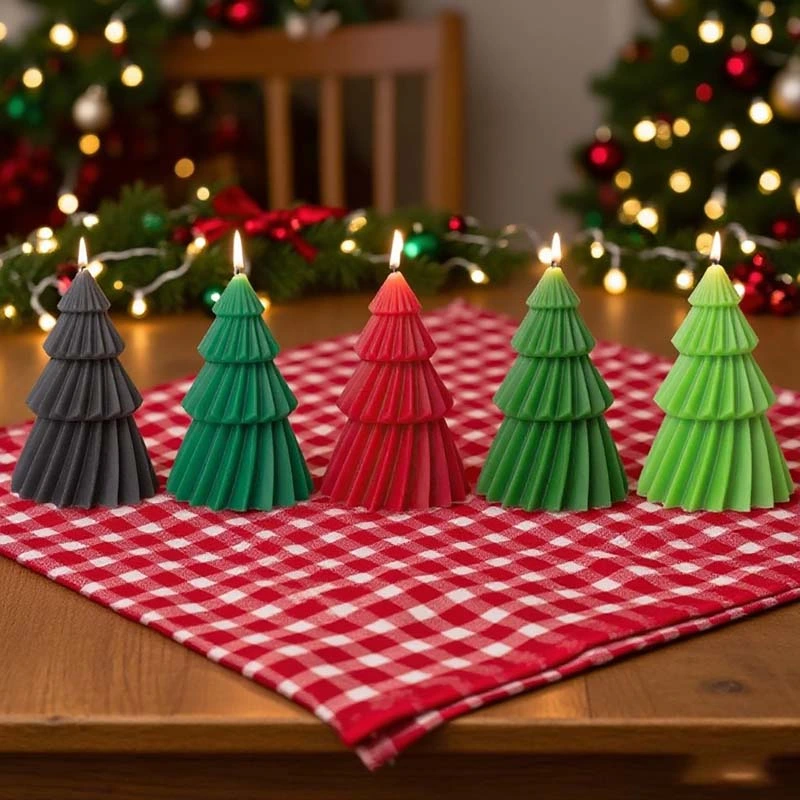
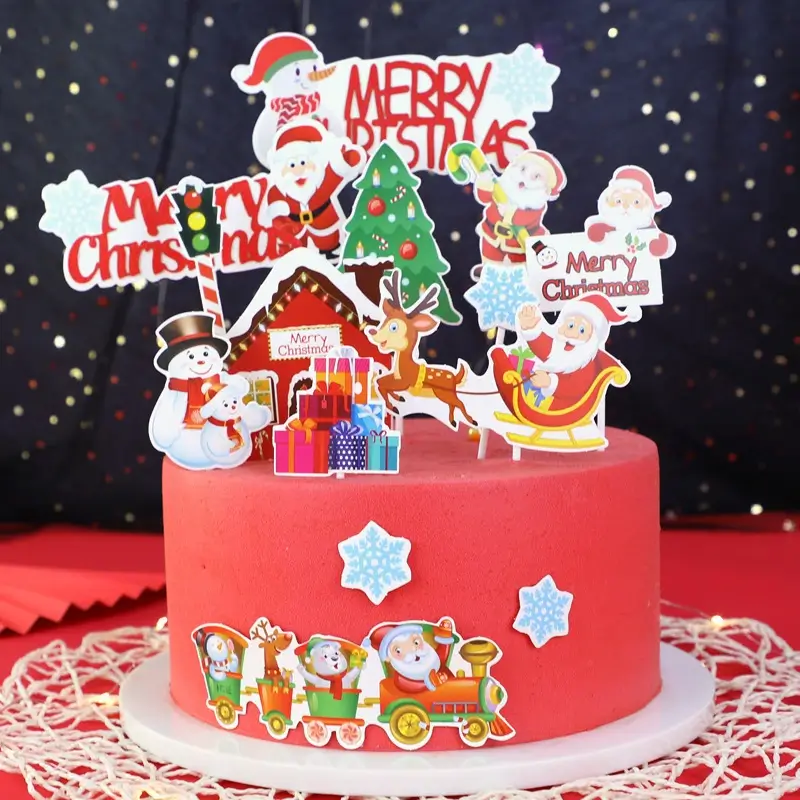
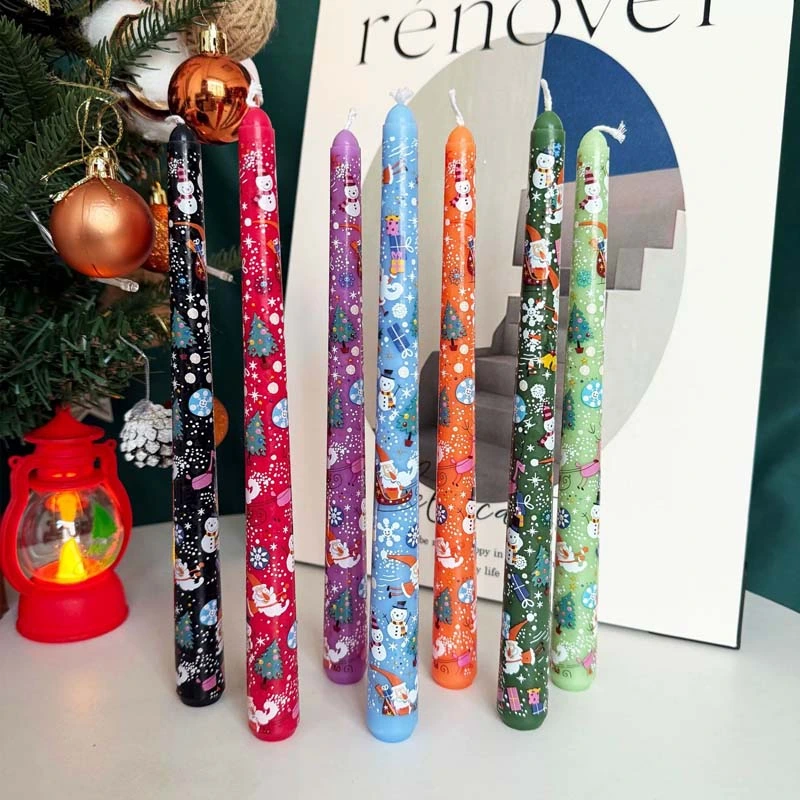
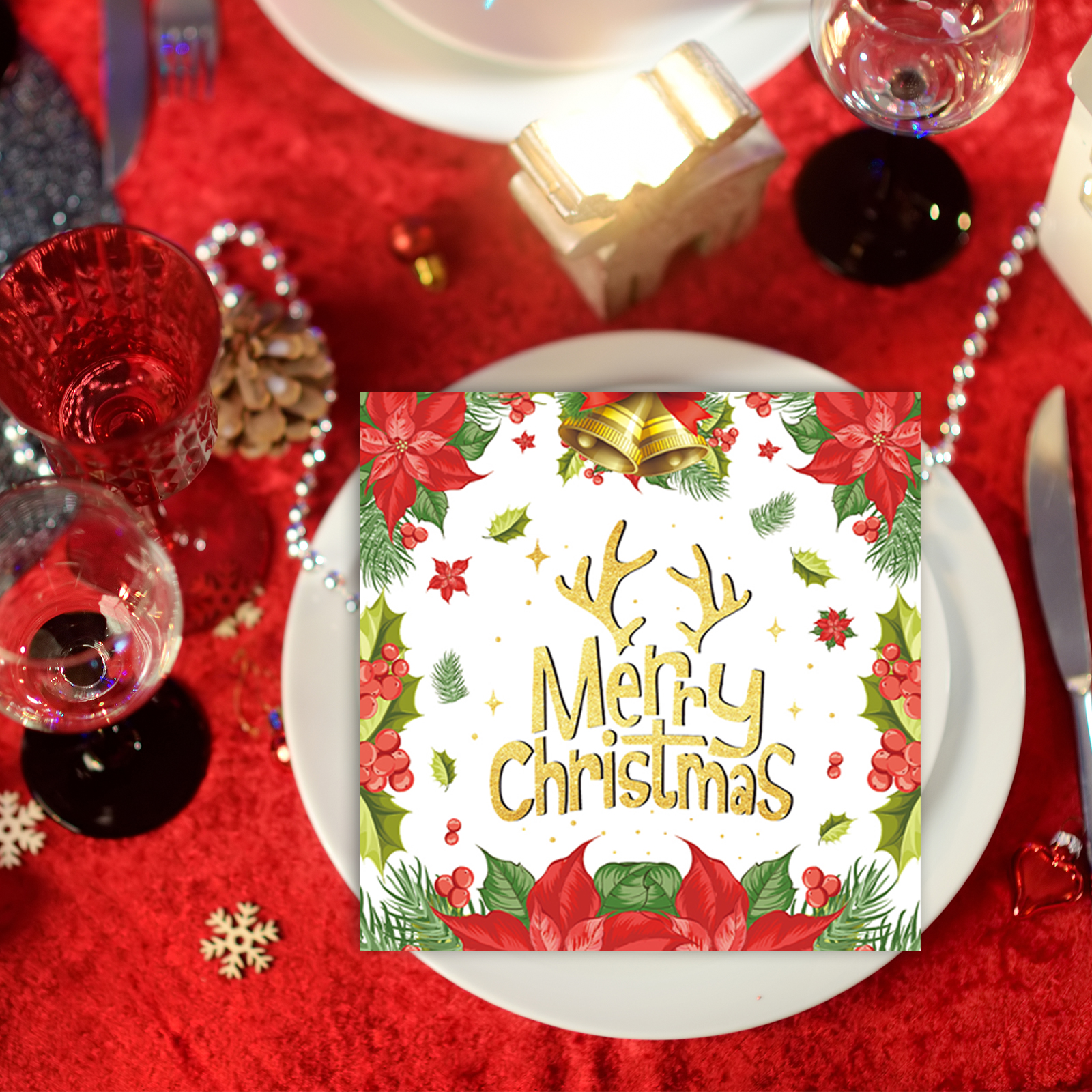
The best-selling Christmas party supply categories in November are: Christmas-themed tableware sets (plates, napkins, cups in red, green, and gold), Christmas balloon sets and foil balloon numbers, festive garlands and bunting, “Merry Christmas” banner sets, advent and countdown decorations, party popper and cracker sets for the Christmas table, and New Year’s Eve preparation products that experienced buyers begin stocking in November to avoid the supply crunch in December.
Thanksgiving in late November (US market) creates a parallel but smaller demand for autumn-themed tableware, centrepieces, and hosting decoration sets. The Thanksgiving selling window is compressed into the two weeks before the holiday and does not carry forward.
Buyers supplying hotels and hospitality venues should be placing their Christmas event supply orders by late October, as hotels begin their Christmas programming in November and need full decoration sets available from the start of the month.
Order timing for Christmas selling: All major wholesale orders placed and in store by November 1st. Top-up orders throughout November on proven sellers.
December — Christmas, New Year’s Eve, and the Full-Year Planning Window
December’s selling window splits cleanly into two phases. Christmas party supplies the full range of seasonal decoration and tableware, which sell through the first three weeks of December. New Year’s Eve party supplies, including midnight countdown accessories, balloon drops, party poppers, champagne accessories, and “Happy New Year” decoration sets, sell hard in the final week of December.
For buyers, December is also the most important planning month for the coming year. The buyers who leave December with a clear data picture of which seasonal categories performed best, which products sold out first, and which remained as excess are the buyers who will place more accurate January orders and make better seasonal bets throughout the year.
The products that consistently finish December out of stock (the best commercial signal of under-buying) are: the most popular design-themed tableware sets, organic balloon arch kits in trending colour palettes, and any personalized or limited-edition seasonal item. The products that consistently finish December with excess are: ultra-novelty items in very specific seasonal motifs, and individual decoration accessories without a matching set context.
Best-selling December products: Christmas tableware and decoration sets, New Year’s Eve countdown accessories, party poppers, metallic balloon sets, “Happy New Year” banners and signs.
The Full-Year Buying Calendar at a Glance
| Month | Primary Occasion | What to Order | Order Deadline |
| January | Valentine’s Day peak wholesale | Heart balloons, red-pink tableware, and banners | Core order: December. Top-up: January 10 |
| February | Valentine’s Day selling | Sell through Valentine’s; begin spring/bridal | Bridal orders begin |
| March | St Patrick’s Day, Easter, Spring | Green novelties, pastel Easter tableware, spring botanicals | St Pat’s: March 5. Easter: January (variable date) |
| April | Bridal Peak, Mother’s Day ramp | Bridal decoration kits, Mother’s Day tableware | Mother’s Day core order by early April |
| May | Mother’s Day, Graduation, Memorial Day | Graduation kits, patriotic BBQ tableware | Graduation by early April; Memorial Day by late March |
| June | Graduation peak, Wedding season | School colour balloons, wedding accessories, summer sets | Reorders of May’s best sellers |
| July | 4th of July (250th anniversary), Summer | Patriotic tableware, 250th anniversary sets, outdoor supplies | Core order: April. Custom: January |
| August | Back to school, Halloween ramp-up | Halloween decoration kits, black/orange balloon sets, costume accessories | Halloween core order: August |
| September | Halloween acceleration, Christmas begins (UK) | Halloween full kits, Christmas tableware (UK orders) | UK Christmas core: August |
| October | Halloween peak, Christmas begins (US/AU) | Halloween full sets, Christmas decoration ranges | US/AU Christmas core: September |
| November | Christmas peak selling | Christmas tableware, garlands, New Year’s Eve previews | Reorders only — all stock in store |
| December | Christmas, New Year’s Eve | New Year’s countdown accessories, party poppers, metallic sets | Place next January’s Valentine’s orders |
How PartySparkz Covers the Full Seasonal Calendar
The operational challenge of a full seasonal buying calendar is managing multiple concurrent order cycles. In any given month, a buyer is simultaneously selling the current season’s product, receiving the next season’s order, and placing orders for the season after that. Sourcing from multiple suppliers across this timeline multiplies the logistical complexity and the colour-consistency risk.
PartySparkz manufactures the full party supply range across all seasonal categories from a single factory-direct source. Retailers who source through wholesale party supplies for retailers’ accounts can cover Valentine’s Day tableware, spring bridal balloon arches, summer patriotic decoration sets, Halloween party kits, and Christmas festive ranges from the same supplier relationship with consistent quality specifications and colour accuracy across every season. Event planners who work across multiple event types throughout the year benefit from the same single-source relationship.
The full wholesale party decorations range covers seasonal occasions from January through December. Wholesale party supplies for business owners and wholesale party supplies for resale accounts have access to the complete seasonal range with the flexibility to order by occasion rather than committing to a full-year assortment upfront. For hospitality buyers managing in-house event programming across all twelve months, wholesale party supplies for hotels sourced through a single manufacturer relationship is the most operationally efficient approach to seasonal buying.
For buyers sourcing latex balloons, which are the highest-volume seasonal product across almost every occasion on this calendar, factory-direct access through latex balloon manufacturers ensures colour consistency across seasonal colour palettes rather than accepting whatever shade variation comes from buying across multiple suppliers.
External Resources
National Retail Federation: Retail Holiday and Seasonal Trends — nrf.com/research-insights/retail-holiday-and-seasonal-trends — the most authoritative source of US consumer spending data by holiday, updated annually with survey data from tens of thousands of consumers across every major occasion on the party calendar.
Faire: 2026 Wholesale Buying Calendar — faire.com/blog/for-retailers/2026-wholesale-buying-calendar — the data-driven wholesale timing guide built from aggregated global retailer search activity, showing exactly when demand starts, accelerates, and peaks for every major seasonal occasion.
Related reading: Wholesale Party Supplies | Wholesale Party Decorations | Complete Wholesale Checklist for 4th of July Party Supplies | Christmas Party Supplies Wholesale | Event and Party Supplies Wholesale | Best Gift Paper Bags for Retailers
Frequently Asked Questions
December generates the highest total revenue for most party supply retailers, driven by Christmas decorations, tableware, and New Year’s Eve products. October is the highest-volume selling month for single-occasion products, with Halloween decoration spending reaching $4.2 billion in 2025. November is when wholesale buying pressure is most intense, as Christmas demand peaks and both Halloween and Christmas selling coexist.
Christmas and Valentine’s Day carry the lowest unsold inventory risk because both occasions have long, predictable demand runways and products that are widely recognizable to consumers. Buyers who order conservatively on themed novelty items and aggressively on tableware and balloon sets in seasonal colour palettes consistently minimize end-of-season excess. The riskiest category on any seasonal occasion is highly specific, themed novelty items that do not transition to adjacent occasions.
For standard wholesale orders from a China-based manufacturer, Halloween stock should be ordered no later than late July for a standard lead time to ensure September delivery. For custom ranges or private-label products, orders placed in May or June allow comfortable production and shipping time. Given Halloween’s track record of consistently record-breaking spending and a 78% consumer decoration participation rate, under-ordering is a significantly more costly mistake than over-ordering on core products.
Yes — meaningfully so. America’s 250th anniversary (Semiquincentennial) creates demand for a premium product tier — anniversary-specific decoration sets, “1776–2026” branded products, and Semiquincentennial-themed party kits — that does not exist in a standard 4th of July buying year. Buyers who stock only standard patriotic products will miss the premium customer who is shopping specifically for the milestone. The 250th anniversary also raises general awareness of the occasion, which drives higher-than-average participation rates even among consumers who celebrate modestly in a typical year.