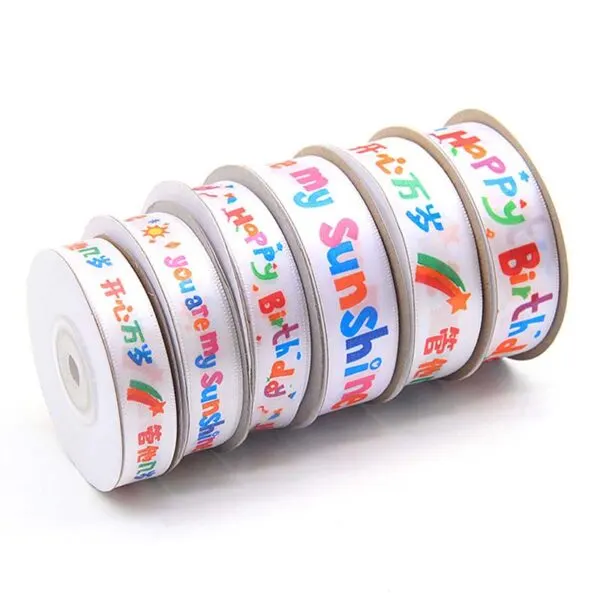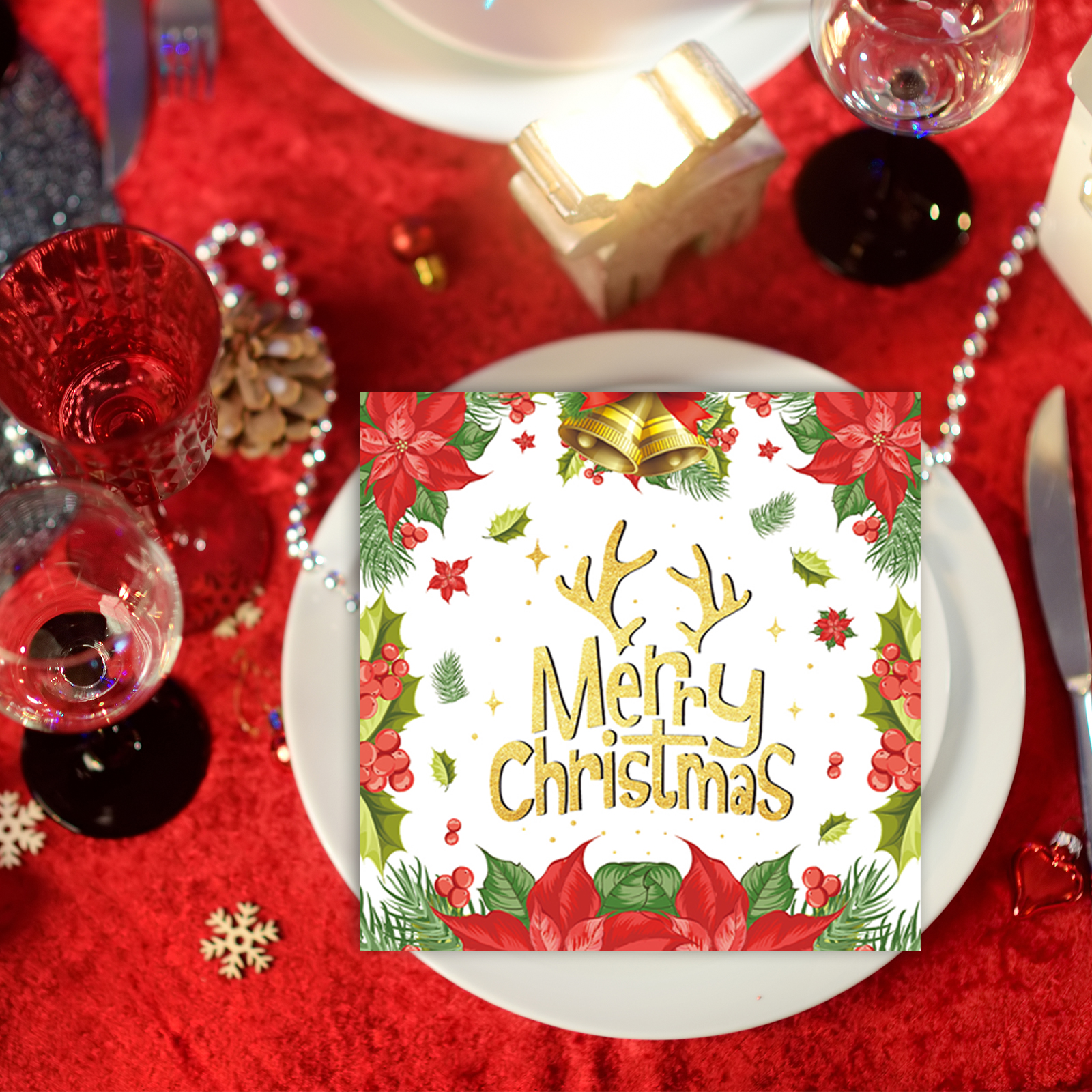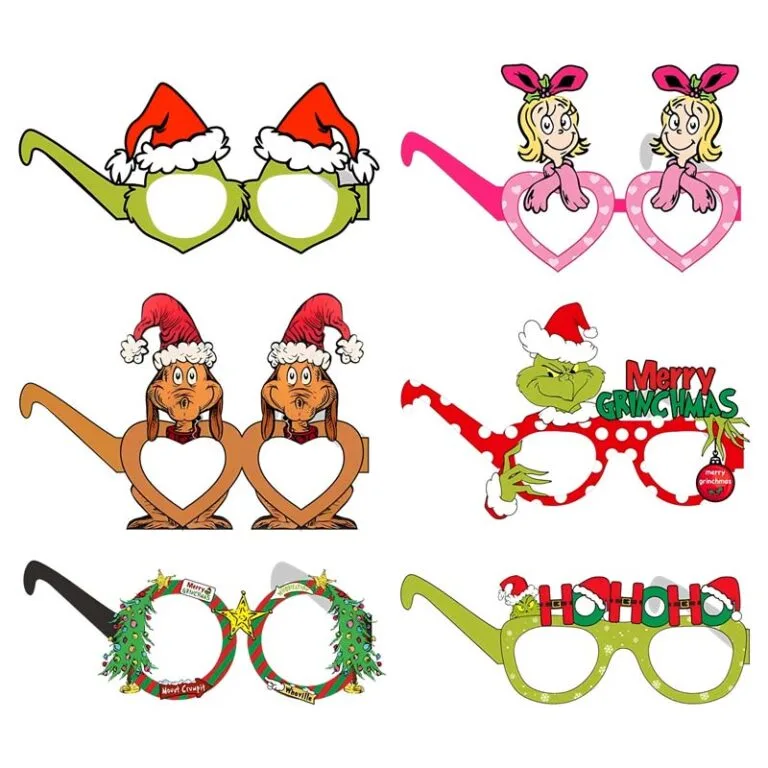


Dropshipping party supplies is worth it in 2026 for sellers who treat it as a real business rather than a low-effort side hustle. Typical net margins run 15-30%. Still, party supplies carry above-average risk of breakage, quality inconsistency, and sharp seasonal demand spikes, making supplier reliability the single biggest factor in success or failure. For sellers who can’t absorb thin, unpredictable margins, low-MOQ wholesale buying is often a more stable alternative to true dropshipping in this category.
Here’s the full breakdown of what margins actually look like, which supplier types dominate this niche, and the specific risks that make party supplies a harder dropshipping category than it first appears.
Table of contents
- What Are Realistic Dropshipping Margins for Party Supplies?
- What’s Actually Eating Into Your Margin?
- Which Suppliers Do Party Supplies Dropshippers Actually Use?
- What Are the Specific Risks of Dropshipping Party Supplies?
- Is Dropshipping Party Supplies Worth It in 2026? The Verdict
- If Margins Are Too Thin, Low-MOQ Wholesale Is Worth Considering
- Quick Answer Recap
What Are Realistic Dropshipping Margins for Party Supplies?
| Metric | Typical Range | Notes |
| Average dropshipping net margin (all niches) | 15%-20% for experienced sellers | Below 10% for beginners; up to 30% for well-optimized stores |
| Gross margin needed to sustain 15-20% net | 40%-60% | Covers ad spend, platform fees, returns before net profit |
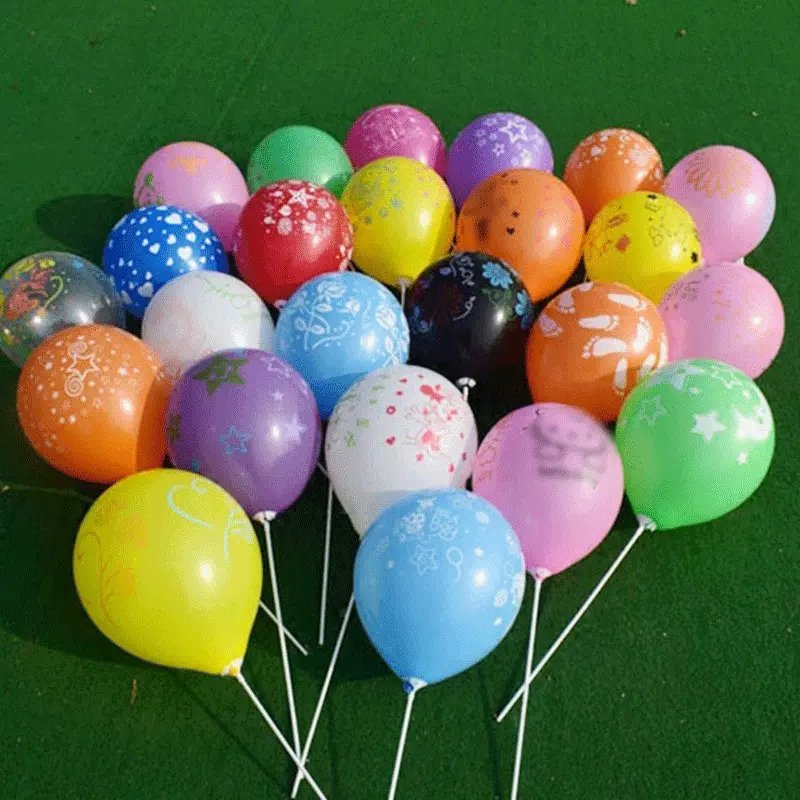
| Party supplies-specific margin drivers | Balloons and customizable items skew higher-margin | Low production cost, high markup potential on personalization |
| First-year dropshipping success rate | 10%-20% | Increases to ~20% on a second attempt after learning from failures |
| Time to consistent profitability | 3-6 months typical | Assuming active product testing and supplier vetting |
Industry-wide, typical profit margins for dropshipping businesses fall in the 10%-30% range, with most successful stores landing between 15% and 25% once every cost is accounted for. Within party supplies specifically, balloons tend to perform better than average on margin, since low per-unit production cost combined with strong demand for customization (colors, sizes, personalized printing) gives sellers real room to mark up beyond a generic commodity price.
What’s Actually Eating Into Your Margin?
Most beginners overestimate dropshipping profit because they calculate margin on product cost alone. The real math includes several layers most new sellers miss:
- Payment processing — typically around 3% of revenue
- Platform/marketplace fees — commonly 2-6% depending on the channel
- Advertising spend — often budgeted at 15-20% of revenue for paid acquisition
- Returns and refunds — averaging around 5% of orders across most niches, though this runs higher for fragile categories
- Customer service time — a real but easy-to-forget cost, especially for damage-related complaints
For party supplies specifically, returns and refunds deserve extra attention, since balloons, glass or ceramic decor, and printed banners are all meaningfully more prone to shipping damage than a typical dropshipped product like a phone accessory or apparel item.
Also read – Private Label Party Supplies
Which Suppliers Do Party Supplies Dropshippers Actually Use?
The supplier landscape for party supplies dropshipping splits into a few distinct categories:
- General dropshipping marketplaces (AliExpress-style platforms) offer the widest product selection and lowest entry barrier, but shipping times from overseas can run 15-30 days unless a seller pays for expedited options — a real problem for customers ordering party decor for a specific date.
- Dedicated wholesale/dropship directories (like SaleHoo-style supplier networks) pre-vet suppliers and list transparent pricing, MOQs, and shipping terms, which reduces — but doesn’t eliminate — the risk of working with an unreliable vendor.
- US-based dropship distributors offer faster delivery (often 2-5 days) at a higher per-unit cost, which suits sellers prioritizing speed and lower return rates over the absolute lowest product cost.
- Fast-fashion-adjacent platforms have expanded into trendy, low-cost party decor and accessories, offering swift international shipping — useful for testing trend-driven items but generally weaker on consistent quality control than dedicated party supply wholesalers.
Across all supplier types, one pattern stands out: finding reliable suppliers is consistently cited as the single biggest challenge dropshippers face, ahead of marketing, fulfillment, or pricing. This matters more in party supplies than in many other categories, because product quality is highly visible and emotionally charged — a flat balloon or torn banner shows up in wedding or birthday photos, not just a private unboxing.
What Are the Specific Risks of Dropshipping Party Supplies?
Beyond the general dropshipping risks that apply to any niche, party supplies carries several category-specific challenges worth weighing seriously:
Fragility and shipping damage. Balloons, glass/ceramic decor, and printed paper goods are all more susceptible to damage in transit than most dropshipped product categories, which drives up both return rates and negative reviews if a supplier’s packaging isn’t up to standard.
Extreme seasonality. Party supplies demand spikes hard around specific, immovable dates — Halloween is October 31st every year, no extensions. A dropshipping supplier that can’t reliably hit lead times during peak season creates a business-ending problem: late arrival for a birthday or holiday means a lost sale and a near-certain refund, not just a delayed but still usable purchase.
Personalization complicates fulfillment. Custom or personalized party items (name banners, age-specific decor, monogrammed favors) are one of the strongest margin opportunities in this niche, but they also remove the option of holding safety stock, since each order is unique — meaning any supplier delay or error directly delays the customer’s event.
Cross-border cost volatility. For sellers relying on overseas suppliers, changes to import rules — including the 2025 elimination of the $800 de minimis exemption for low-value shipments from China — have made landed costs less predictable than they were in previous years. Sellers dropshipping internationally need to factor potential duty exposure into pricing rather than assuming the low advertised product cost is the full cost.
Trust and brand risk in a gift-giving category. Because party supplies are frequently purchased for milestone events — weddings, first birthdays, graduations — a bad experience carries outsized reputational damage compared to a commodity product, since customers associate the failure with a meaningful personal moment rather than just a transaction.
Also read – How Much Does It Cost to Import Party Supplies From China
Is Dropshipping Party Supplies Worth It in 2026? The Verdict
Dropshipping party supplies is worth pursuing in 2026 if a seller is prepared to treat supplier vetting as a core, ongoing part of the business rather than a one-time setup step, focuses on higher-margin customizable items rather than competing purely on price for generic decor, and builds enough of a testing buffer to identify reliable suppliers before peak seasons hit. It’s a weaker fit for anyone expecting fast, low-effort profit, since the category’s fragility, seasonality, and personalization demands make it less forgiving than lower-risk dropshipping niches.
The core trade-off worth being honest about: dropshipping offers low upfront capital risk, but that comes paired with thin, unpredictable margins and limited control over the exact product a customer receives. For party supplies specifically — where a damaged or late shipment affects someone’s actual celebration — that lack of control is a bigger liability than it is in many other dropshipping categories.
If Margins Are Too Thin, Low-MOQ Wholesale Is Worth Considering
For sellers finding that dropshipping margins on party supplies don’t leave enough room after ad spend, returns, and fees, buying in bulk at low minimum order quantities is often a more stable alternative — and it doesn’t require the large upfront commitment that scares most new sellers away from traditional wholesale.
This is where a supplier like PartySparkz changes the math. Rather than dropshipping single units at thin margins with no quality control over what actually ships, PartySparkz supports minimum order quantities starting from 500 pieces for custom production — or as low as 50 sets for in-stock white-label orders — meaning sellers can hold a small amount of inventory, inspect quality before it reaches a customer, and capture the full wholesale-to-retail margin instead of splitting it with a dropship intermediary. For sellers specifically building a resale business rather than a pure dropship model, PartySparkz’s wholesale party supplies for resale program is built around exactly this transition — lower MOQs, flexible payment terms, and factory-direct pricing that closes the margin gap dropshipping struggles to close on its own.
For sellers who’ve validated a product category through dropshipping and are ready to move to a model with better margins and more quality control, starting with a small test order through wholesale party supplies is a natural next step — keeping the low-commitment spirit of dropshipping while removing the two biggest risks this guide covers: supplier unreliability and per-unit margin compression.
Quick Answer Recap
Dropshipping party supplies remains worth it in 2026 for sellers who prioritize supplier vetting and higher-margin customizable products, with realistic net margins in the 15-30% range once ads, fees, and returns are accounted for. The category carries above-average risk from fragility, extreme seasonality, and cross-border cost volatility, which makes supplier reliability the deciding factor between profit and loss. Sellers finding dropshipping margins too thin often find low-MOQ wholesale buying — starting from as few as 50-500 units — a more profitable and controllable alternative once a product category has been validated.