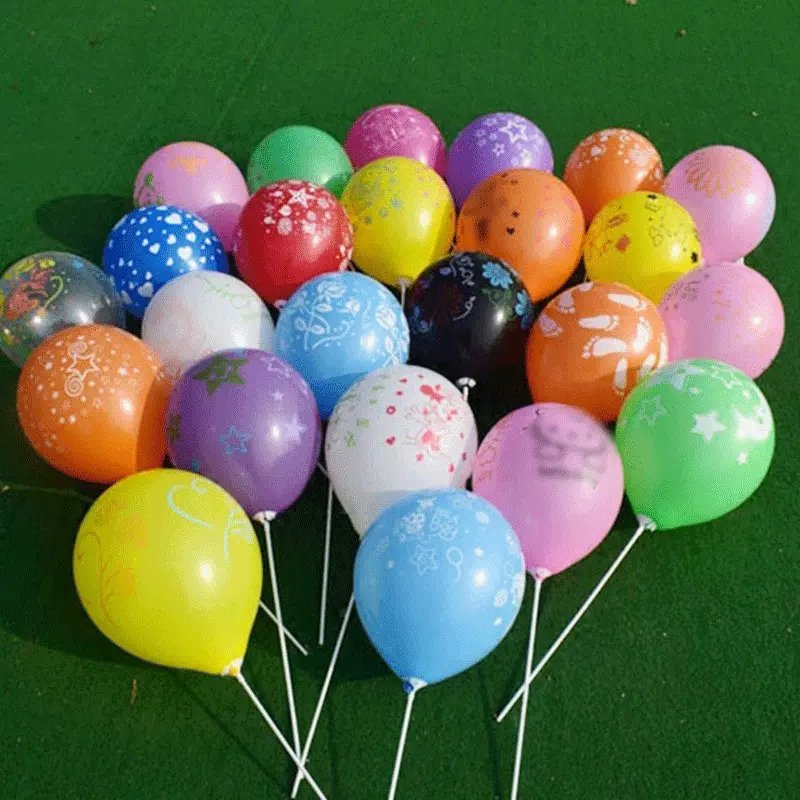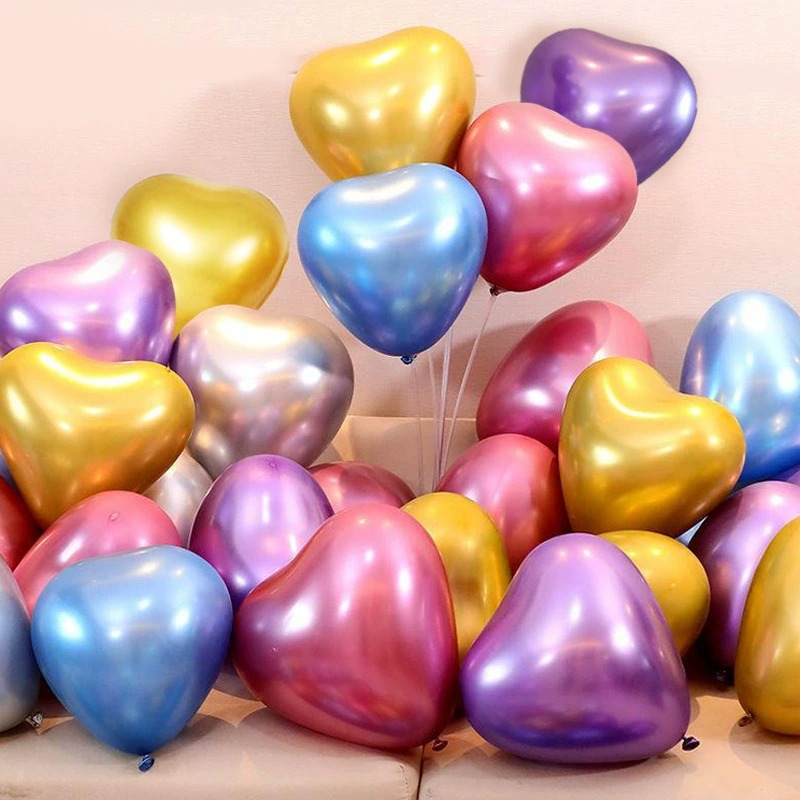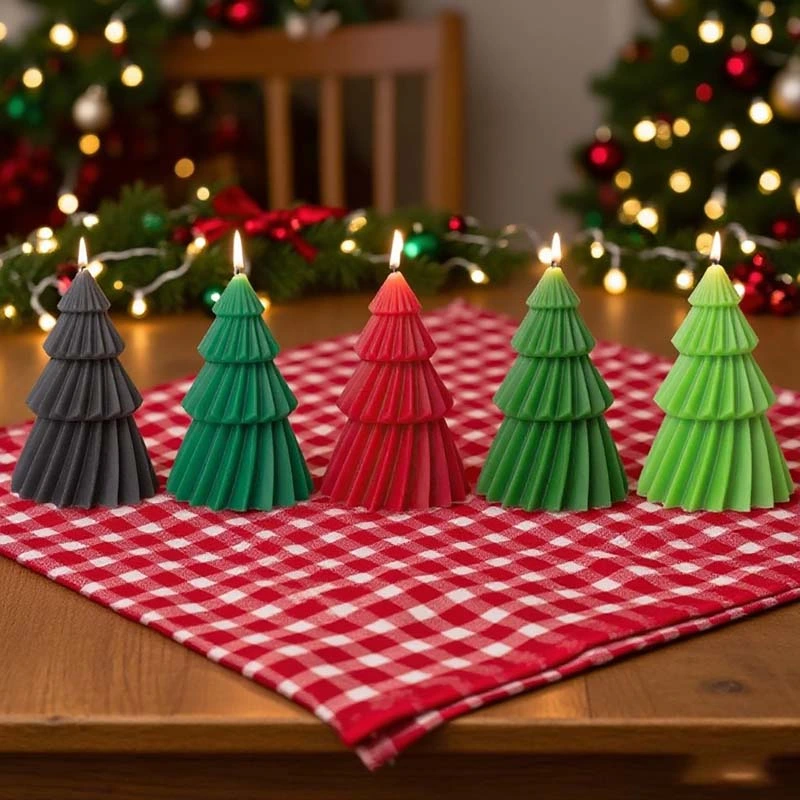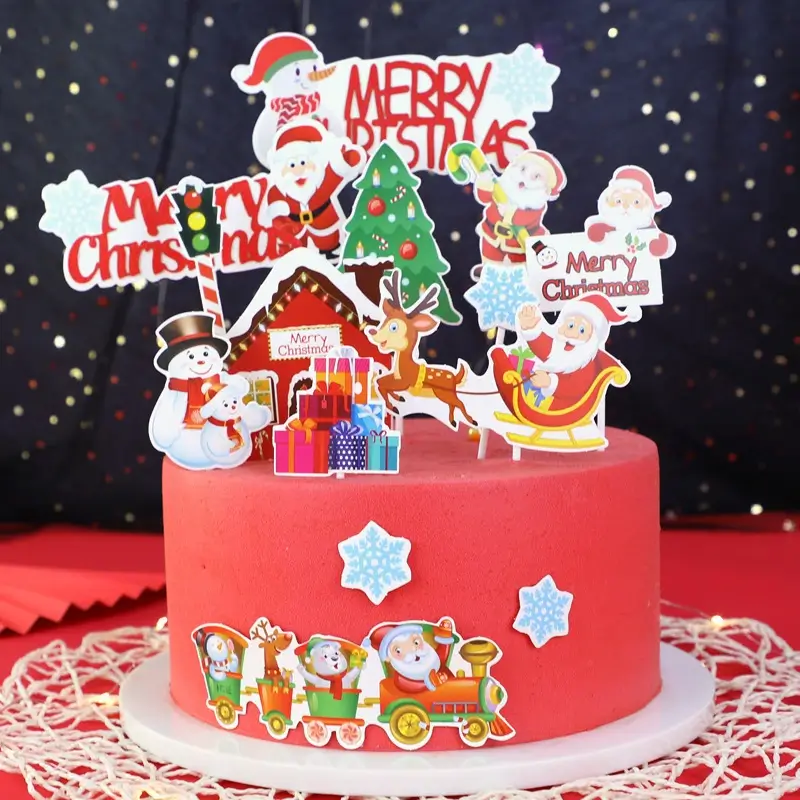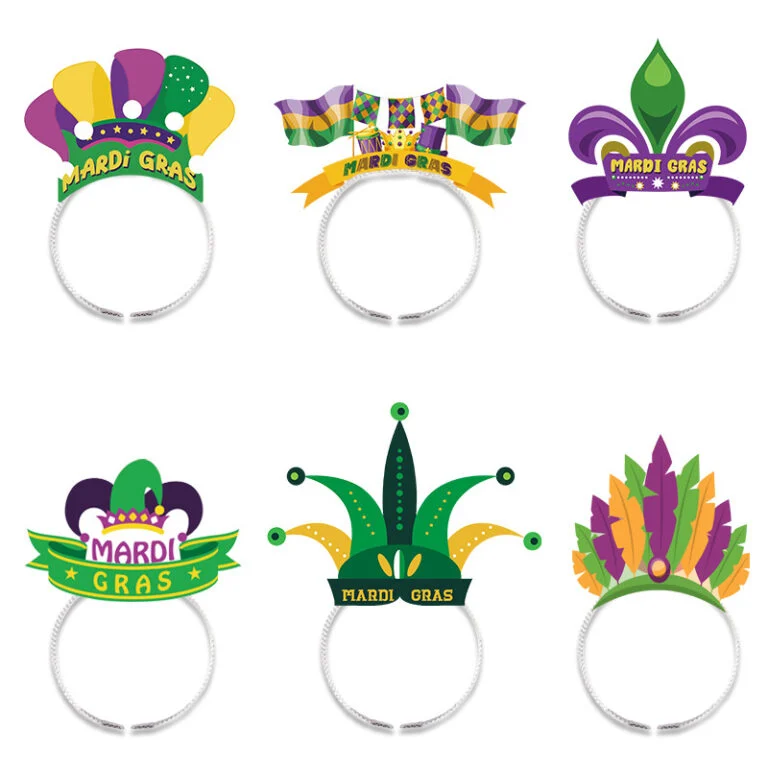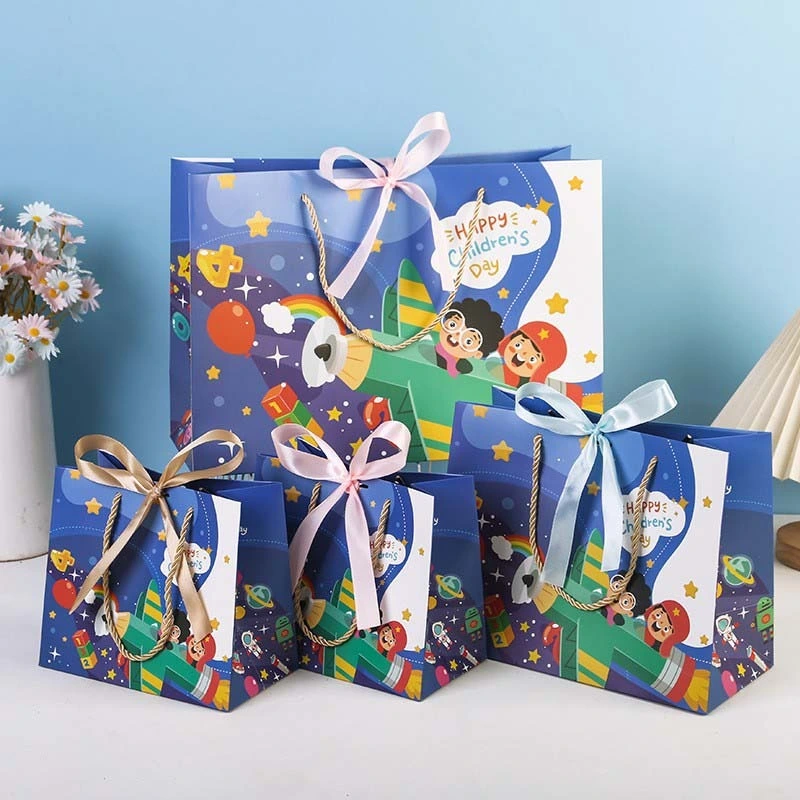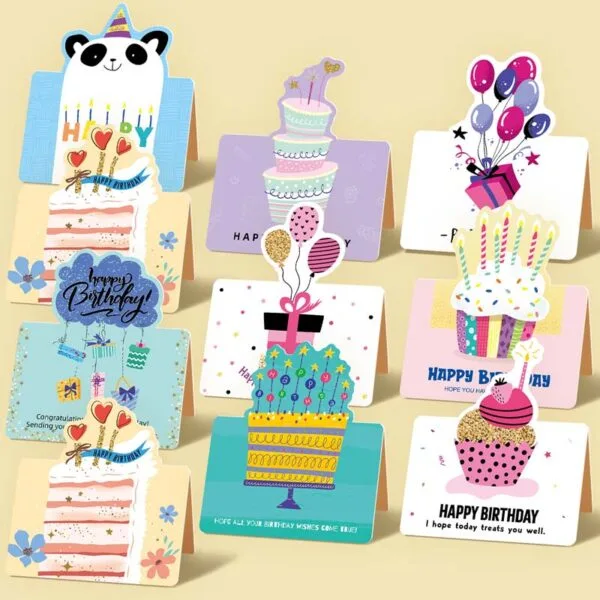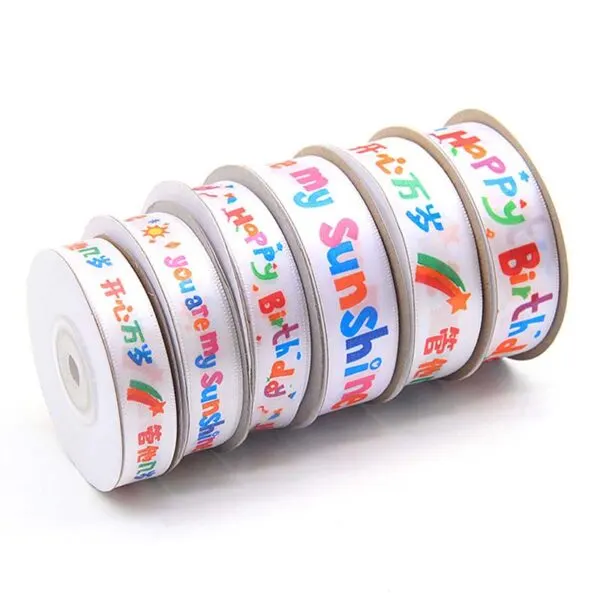

Private label party supplies work by taking a manufacturer’s existing product designs (or fully custom ones) and applying a retailer’s own branding, packaging, and labeling before shipment. Minimum order quantities typically start around 500 pieces per SKU for custom-branded production, though some manufacturers offer in-stock white-label options with MOQs as low as 50 sets for retailers who want to test the market before committing further.
This guide breaks down exactly how the private label process works, the difference between OEM and ODM programs, what MOQs and timelines to expect at each stage, and how to decide if private label is the right move for your business.
Table of contents
- How Does Private Label Party Supplies Sourcing Work?
- What Are Typical MOQs for Private Label Party Supplies?
- How Long Does Private Label Production Take?
- What Does Private Label Cost Compared to Generic Wholesale?
- Is Private Label Right for Your Business?
- What Should You Ask a Manufacturer Before Committing to Private Label?
- Where Can Retailers Start a Private Label Order?
- Quick Answer Recap
How Does Private Label Party Supplies Sourcing Work?
Private label sourcing generally falls into two categories, and understanding the difference matters before requesting a quote:
- OEM (Original Equipment Manufacturer): Your logo, brand colors, and custom packaging are applied to a manufacturer’s existing product lines. The product design itself doesn’t change, only the branding and packaging wrapped around it. This is the faster, lower-cost entry point into private label.
- ODM (Original Design Manufacturer): The manufacturer’s design team develops exclusive product designs, custom colorways, and fully coordinated collections built specifically around your brand identity from a brief you provide. This is a deeper, longer-timeline commitment, but it produces genuinely exclusive products competitors can’t simply reorder from the same catalog.
A third option worth knowing about is white-label in-stock ordering, buying neutral, unbranded product already sitting in a manufacturer’s warehouse, with no logo or custom packaging applied. This isn’t private label in the branding sense, but it’s often the fastest and lowest-commitment way for a new buyer to test a product category before investing in custom branding.
What Are Typical MOQs for Private Label Party Supplies?
| Program Type | Typical MOQ | Best For |
| OEM (custom branding on existing products) | 500 pieces per SKU | Retailers ready to launch a branded line |
| White-label in-stock (no branding) | 50 sets | First-time buyers testing a category |
| ODM (fully custom design) | Often bundled with OEM minimums, but higher design/sampling cost | Established brands wanting exclusive designs |
| Sourcing agent bundled orders | ~$5,000 minimum order value | Buyers combining multiple product categories in one shipment |
Mixed-SKU ordering is common across most private label programs, meaning a retailer doesn’t need to hit the 500-piece minimum on a single item, but can often spread that minimum across several products within the same category (for example, splitting an order across balloons, banners, and tableware within one occasion range) to build a fuller assortment without over-committing budget to any single SKU.
How Long Does Private Label Production Take?
Timelines vary significantly depending on which program a retailer chooses:
- Standard production on existing product lines (no branding) typically takes 15 to 25 days after order confirmation.
- Custom OEM production with branded packaging adds another 10 to 15 days on top of standard production, covering packaging design, sample approval, and dedicated manufacturing scheduling.
- ODM product development — fully custom designs built from a brief, requires 90 to 120 days from initial brief to bulk production, since it includes design development, prototyping, and sample rounds before mass manufacturing even begins.
Shipping adds further time on top of production: international express (DHL, FedEx, UPS) typically delivers in 3-7 business days, air freight in 7-12 days, and sea freight in 20-35 days depending on the destination port. Retailers planning a private label launch for a specific season need to work backward from the retail date using the longest applicable timeline; ODM plus sea freight can mean a 5-6 month lead time from first brief to shelf-ready product.
Also read – Wholesale Party Supplies: China vs USA Suppliers
What Does Private Label Cost Compared to Generic Wholesale?
Private label products typically cost more per unit than generic, unbranded wholesale goods; the added cost covers custom packaging, labeling, barcodes, and in some cases dedicated tooling or molds for ODM designs. However, the tradeoff is pricing power: branded, private label products generally support higher retail markups than generic items competing purely on price, since customers can’t directly comparison-shop an identical product across other sellers.
Payment structures also typically differ by order type. Custom production orders (OEM/ODM) commonly follow a 30% deposit to initiate production, with the remaining 70% due before shipment, a structure that aligns payment with production milestones and protects both buyer and manufacturer. In-stock or white-label orders, by contrast, usually require full payment upfront since the product already exists and isn’t tied to a custom production run. Smaller sample orders are frequently processed through simpler payment methods like PayPal, giving new buyers a lower-friction way to test quality before committing to a bulk deposit.
Is Private Label Right for Your Business?
Private label makes the most sense for retailers in a few specific situations:
- You’re reselling generic products and want to differentiate. If your current inventory looks identical to what every competitor stocks — on Amazon, in a retail aisle, or at a trade show — private label branding is one of the most direct ways to break out of pure price competition.
- You’ve validated demand for a product category. Private label carries more upfront cost and lead time than generic wholesale, so it’s generally a better fit once you already know a category sells, rather than as your very first test order.
- You’re building toward a long-term brand, not just a single order. The lead time investment (particularly for ODM) pays off over repeat orders and brand loyalty, not a one-off purchase.
- You have the cash flow to support a deposit-based payment structure. Since custom production typically requires a 30% deposit before manufacturing begins, private label requires more working capital certainty than in-stock white-label ordering.
If you’re not yet sure a category will sell in your market, starting with white-label in-stock ordering, then moving into OEM branding once you’ve confirmed demand, is a common, lower-risk path into private label rather than committing to full custom production on a first order. This staged approach is especially common among retailers working through wholesale party supplies for business owners resources, where testing before scaling is a recurring theme.
What Should You Ask a Manufacturer Before Committing to Private Label?
Before signing off on a private label order, confirm the following with your supplier:
- What’s included in the OEM minimum — does the 500-piece MOQ apply per SKU, or can it be spread across a mixed assortment?
- What compliance certifications does the factory hold — audits like Sedex (SMETA), BSCI, and FAMA are increasingly requested by retailers and their own downstream buyers as proof of ethical and safety-compliant manufacturing.
- What does the sample process look like, and how closely do approved samples match final bulk production? This is one of the most common points of disappointment in private label sourcing if not confirmed upfront.
- What are the full production and shipping timelines combined, not just the manufacturer’s stated production window? Always add shipping method on top before setting a retail launch date.
Retailers newer to sourcing directly from wholesale party supplies manufacturers often find it worth requesting a sample order first, even at a slightly higher per-unit cost, purely to validate quality and communication before committing to a full custom production deposit.
Where Can Retailers Start a Private Label Order?
For retailers ready to move forward, browsing an established manufacturer’s wholesale party supplies catalog — such as PartySparkz’s range, which supports both OEM branding from 500 pieces and white-label in-stock orders from 50 sets — is a practical way to see what existing product lines are available to brand before committing to a fully custom ODM design.
Quick Answer Recap
Private label party supplies work by branding a manufacturer’s products — either through OEM (your branding on existing designs) or ODM (fully custom designs built from your brief) — with typical MOQs starting around 500 pieces per SKU for custom production, or as low as 50 sets for unbranded white-label testing orders. Standard production takes 15-25 days, OEM branding adds 10-15 days, and full ODM development takes 90-120 days before shipping even begins. Private label makes the most sense once a retailer has already validated demand for a product category and has the cash flow to support a typical 30%-deposit, 70%-before-shipment payment structure.