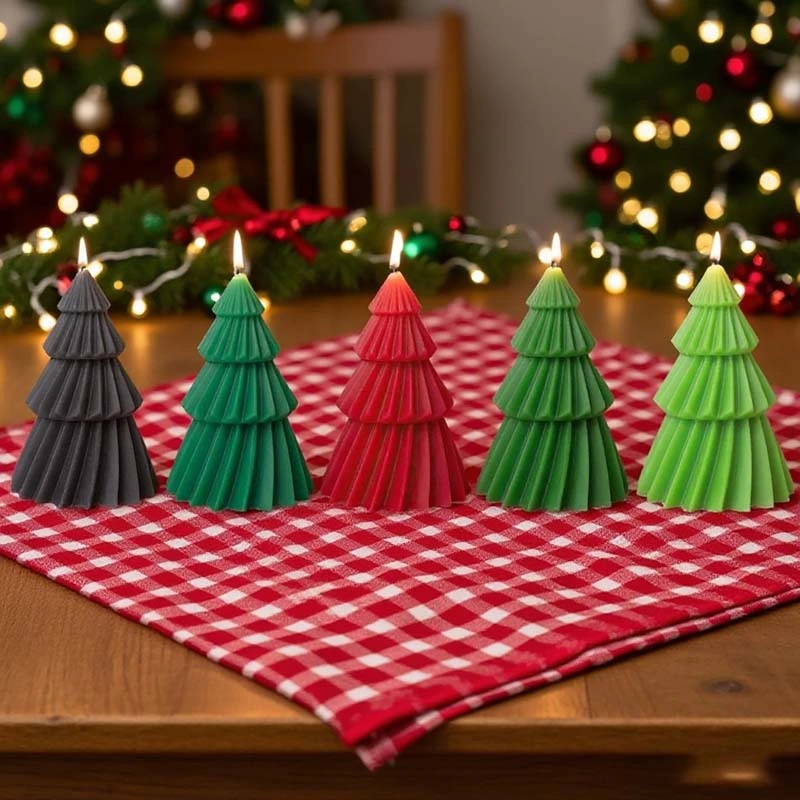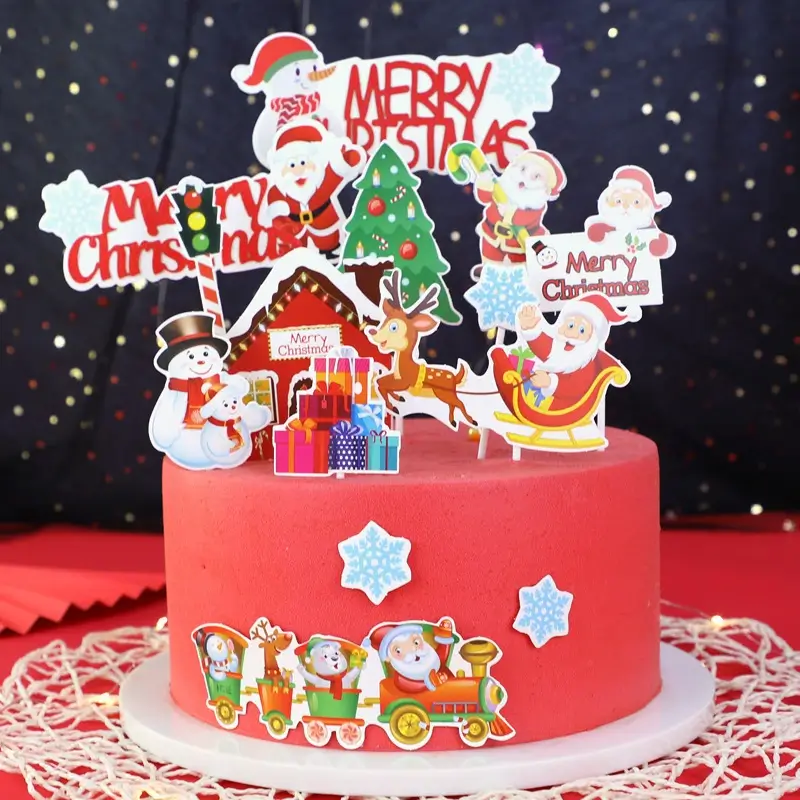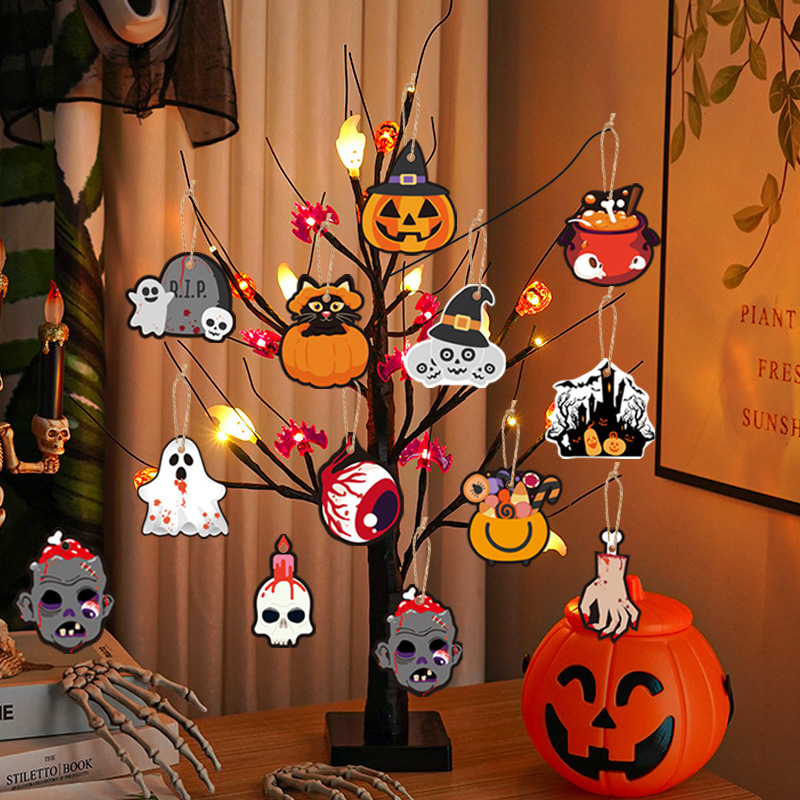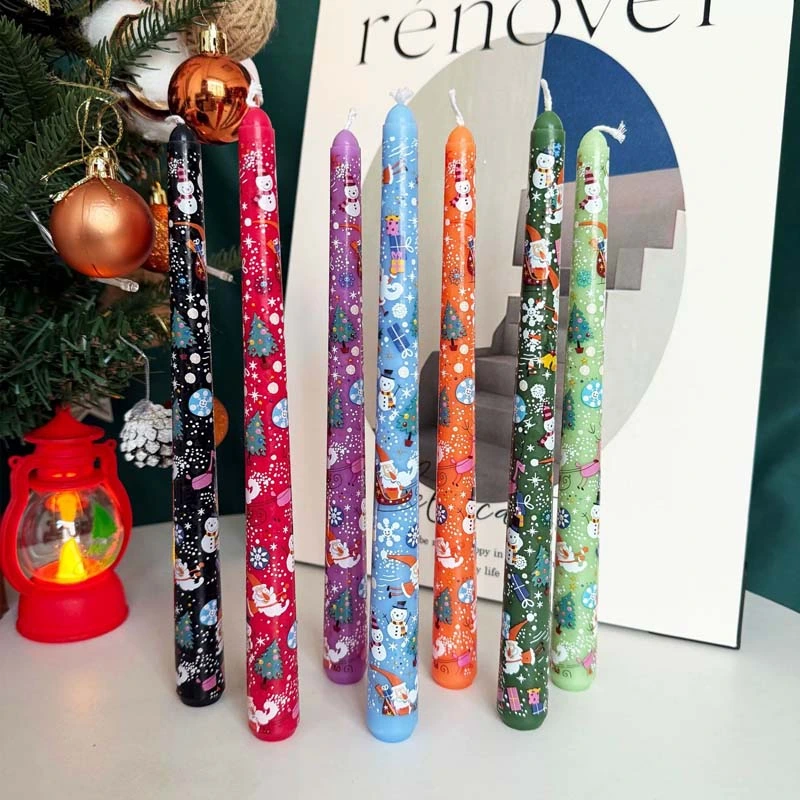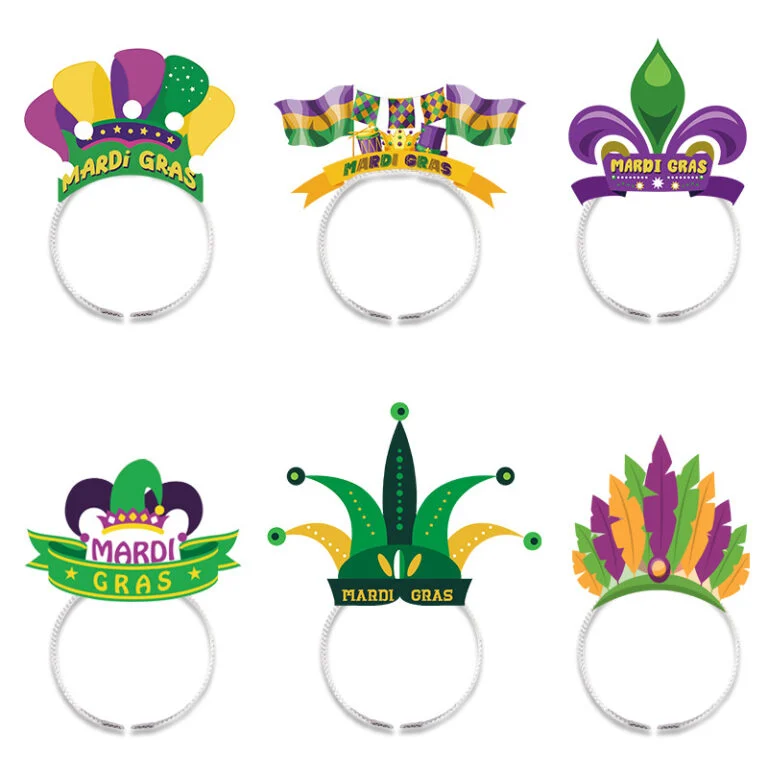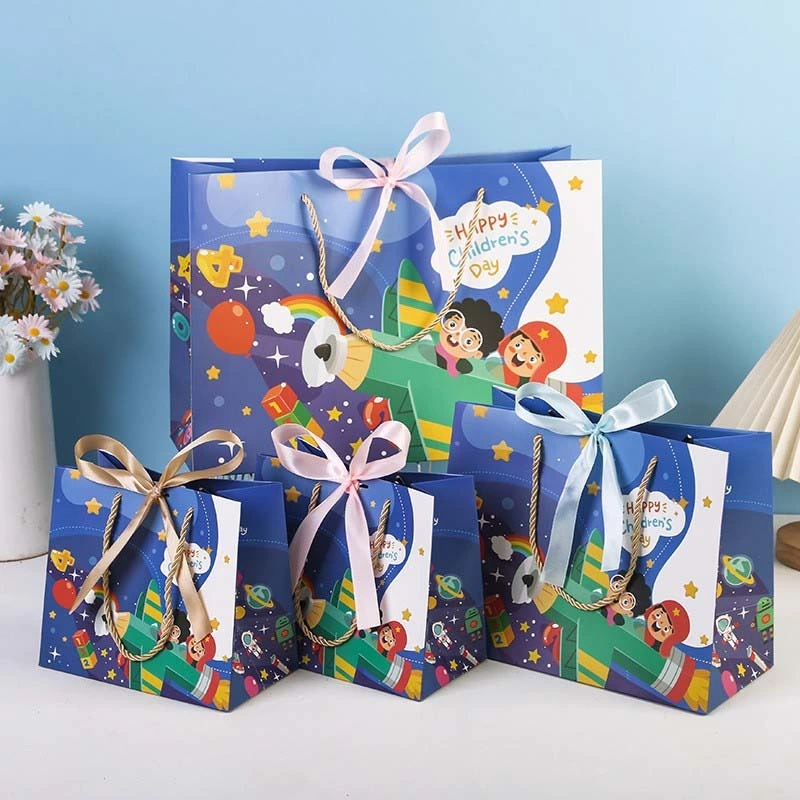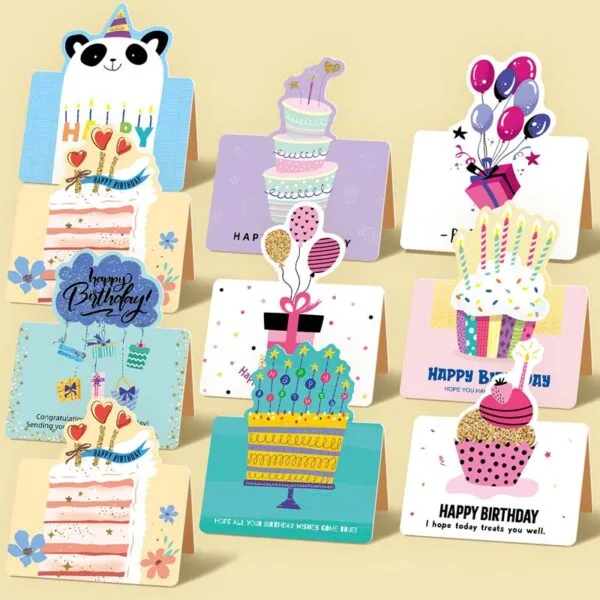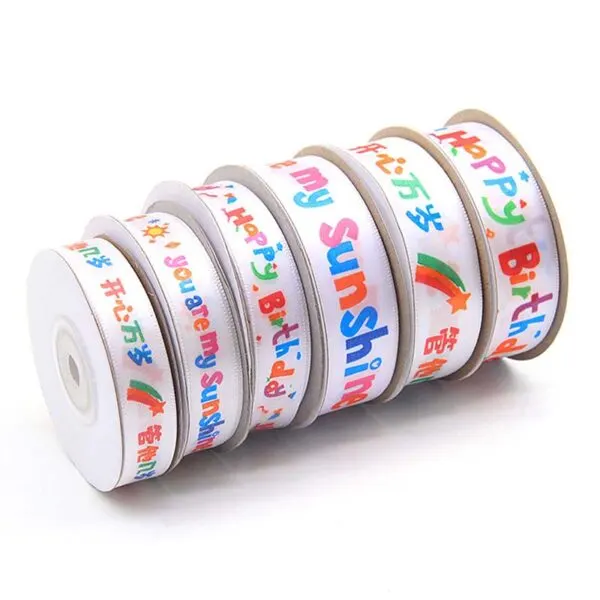

A profitable party supplies product mix gives every product a job. Some items bring customers in, some are the basics they come for, and some add margin to each sale. Seasonal lines lift the calendar. Profit comes from the mix, not from stocking only the highest-margin items. Judge each line by how much gross profit it earns for the money tied up in its stock.
Key takeaways
- Margin and markup are different numbers. A 100% markup is a 50% gross margin, and no product can have a 100% margin.
- Sort products into four roles: traffic drivers, core basics, margin builders and seasonal lines. Each role needs a different stock depth and price approach.
- Use GMROI (gross margin return on inventory) to compare lines. A high-margin item that sits on the shelf can earn less than a lower-margin one that sells every week.
- Themed kits raise the value of each sale by combining low-cost components. Include packing labor and packaging in the kit cost.
- Order deep in undated basics and shallow in trend prints. Store latex balloons cool, dark and sealed, and sell the oldest stock first.
Table of contents
- Margin or markup: which number are you looking at?
- What roles should products play in a party supplies product mix?
- Where margin builders come from
- How do you know which products earn their shelf space?
- Review the mix every season
- Do themed party kits make more money?
- How deep should you stock each line?
- Latex balloons have a shelf life
- A worksheet for planning your mix
- Frequently asked questions
Margin or markup: which number are you looking at?
“Margin” figures quoted online for party supplies sometimes turn out to be markups. The two are calculated differently:
- Gross margin = (selling price − landed cost) ÷ selling price
- Markup = (selling price − landed cost) ÷ landed cost
A cake topper that costs US1.00landedandsellsforUS2.00 has a 100% markup but a 50% gross margin. Here is how the two line up:
| Markup | Gross margin |
| 50% | 33% |
| 100% | 50% |
| 150% | 60% |
| 200% | 67% |
| 300% | 75% |
Always use landed cost, including freight, duty, and inspection, not the factory price. Using the factory price makes every margin look better than it is.
What roles should products play in a party supplies product mix?
Give each product one of four roles. The role decides how you price it and how much of it you hold:
| Role | Examples | Pricing approach | Stock depth |
| Traffic drivers | Solid-color latex balloons, number foil balloons, plain tableware, basic candles | Competitive. Shoppers compare these prices. | Deep. Never run out. |
| Core basics | Evergreen birthday tableware, banners, streamers, favor bags | Steady margin | Deep in best-selling colors and themes |
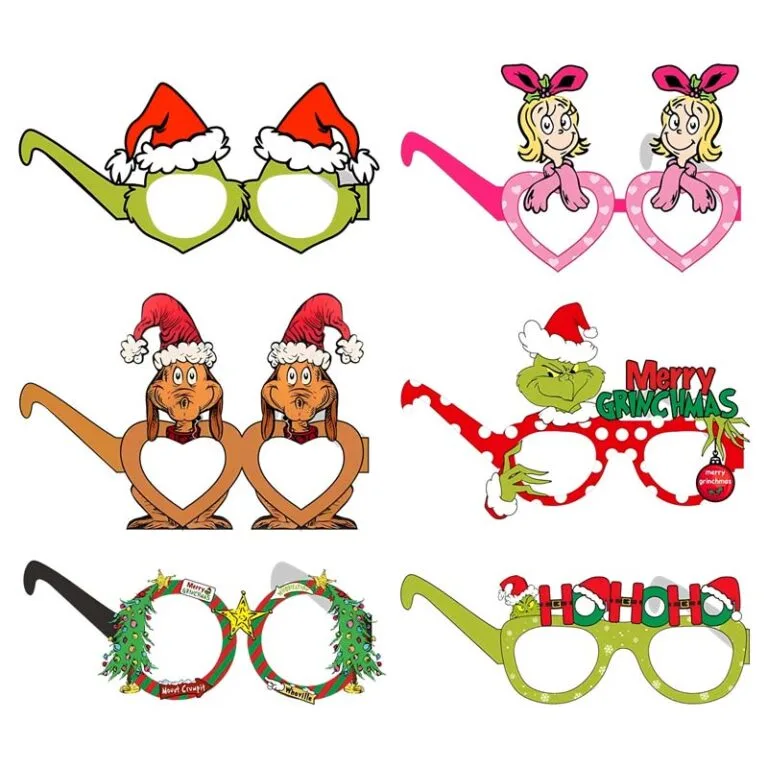
| Margin builders | Cake toppers, novelty glasses, sashes and tiaras, photo booth props, printed foil shapes | Priced on perceived value. Shoppers rarely compare. | Moderate, and placed where people add to the basket |
| Seasonal and trend lines | Halloween, Christmas, graduation, year-dated and character-style items | Full price early, then clearance | Ordered to forecast, sold through before the season ends |
Traffic drivers earn less per unit but bring in the shopper who then buys the margin builders. Cutting traffic drivers to raise average margin can reduce total profit.
For birthdays, PartySparkz’s own order data puts these at the top: balloon sets and garland kits, themed tableware, cake decorations, photo booth props, banner kits and favor bags. That covers all four roles. See the birthday range.
Where margin builders come from
The best margin builders are small, light, and bought on impulse next to something the customer already came for:
- Cake toppers and candles next to cake boards or tableware
- Novelty party glasses, tiaras and sashes near the checkout, or as an online add-on
- Printed foil balloons next to the helium counter or balloon arch kits
They work because shoppers judge them on the occasion, not on price. A “Happy 40th” sash is bought for the party, not compared across stores.
How do you know which products earn their shelf space?
Use two numbers for every line: GMROI and sell-through.
GMROI (gross margin return on inventory) = gross margin dollars for the year ÷ average inventory at cost
It tells you how many dollars of gross profit each dollar of stock earns in a year. Here is an example with three made-up lines:
| Line | Annual sales | Gross margin | Gross margin dollars | Average inventory at cost | GMROI |
| Solid-color latex balloons | US$12,000 | 55% | US$6,600 | US$1,500 | 4.4 |
| Novelty party glasses | US$4,000 | 65% | US$2,600 | US$600 | 4.3 |
| Premium cake toppers | US$5,000 | 70% | US$3,500 | US$2,500 | 1.4 |
The cake toppers have the highest margin but the lowest GMROI, because too much stock sits unsold. The fix is usually fewer designs or shallower stock, not a higher price.
Sell-through = units sold ÷ units received, over a set period
This matters most for seasonal lines. If you receive 1,000 packs of Halloween tableware and sell 820 by 31 October, sell-through is 82%. The other 180 packs either go to clearance or into storage until next year.
Track sell-through by design, not just by category. One range can contain a few strong prints and a few weak ones. Next year, order deeper in the strong prints and drop the weak ones.
Review the mix every season
After each season, sort your lines into three groups:
- High GMROI, high sell-through. Reorder deeper, and consider custom or private-label versions.
- High margin, low GMROI. Cut the number of designs or the stock depth.
- Low margin, low sell-through. Drop it, unless it is a traffic driver that brings in customers who buy other things.
Do themed party kits make more money?
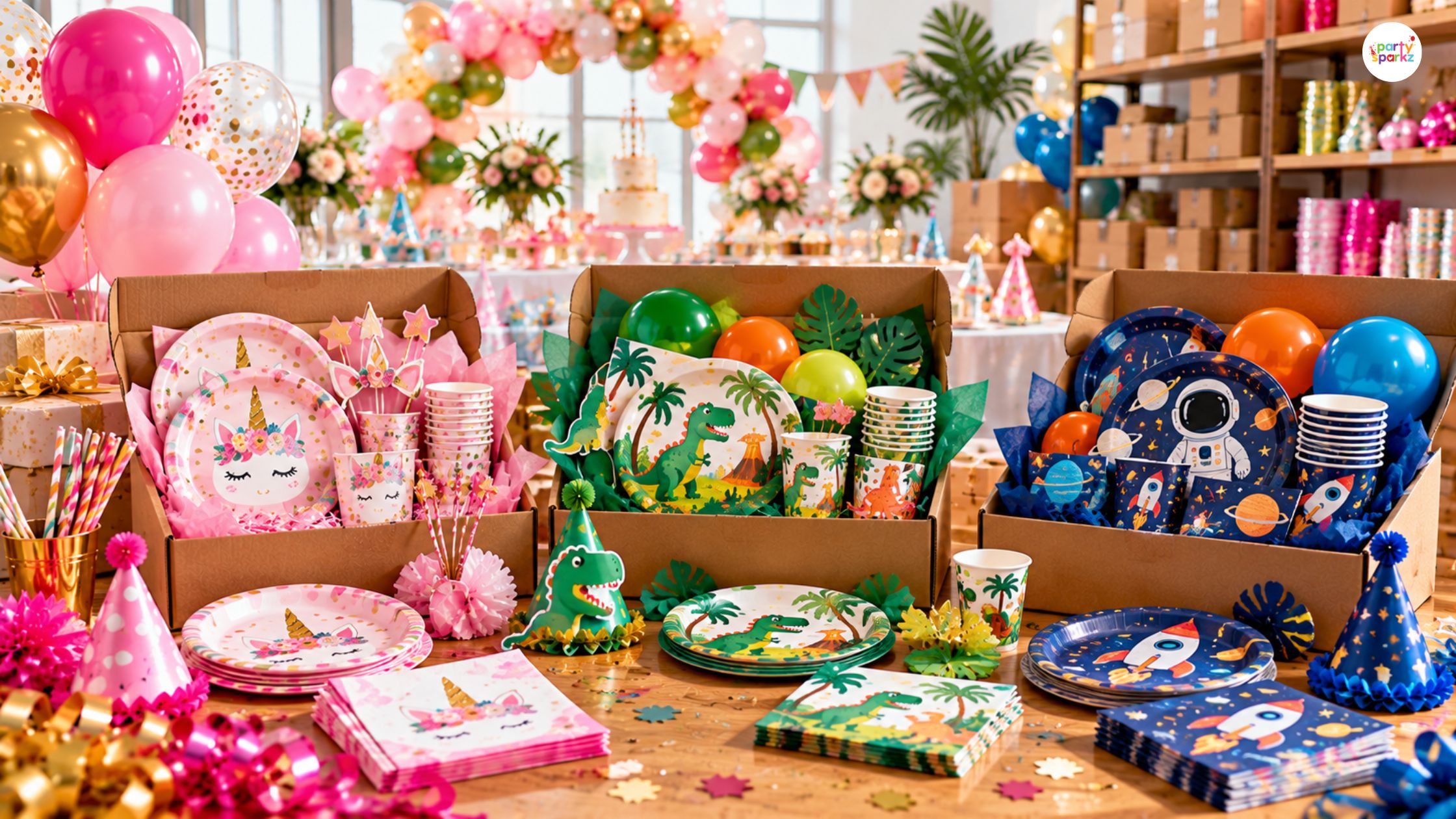
They can, because a kit turns several small purchases into one larger one. The customer gets a complete, matching set in one step.
Here is a worked example of a birthday kit for eight guests. All figures are illustrative:
| Component | Landed cost (US$) |
| 8 dessert plates | 0.45 |
| 16 napkins | 0.30 |
| 8 cups | 0.35 |
| “Happy Birthday” banner | 0.40 |
| 12 latex balloons | 0.36 |
| Cake topper | 0.25 |
| Kit bag or box, and label | 0.40 |
| Packing labor | 0.50 |
| Total kit cost | 3.01 |
Suppose the same items sold separately total US15.50,andthekitsellsforUS12.99. The kit earns a gross margin of about 77% (a markup of about 330%). The customer saves money, and you make one larger sale instead of a single pack of plates.
Three things decide whether a kit pays off:
- Count packing labor and packaging. They are easy to forget and can wipe out the gain on small kits.
- Build from core basics you already stock. A kit of unique components adds more stock to manage.
- Keep kit components matched. Plates, napkins, and banner should come from the same print run, or the colors may not match in the box.
PartySparkz sells ready-made sets, such as balloon garland kits and banner kits, and accepts mixed orders across categories. You can buy matched components for your own kits in one order.
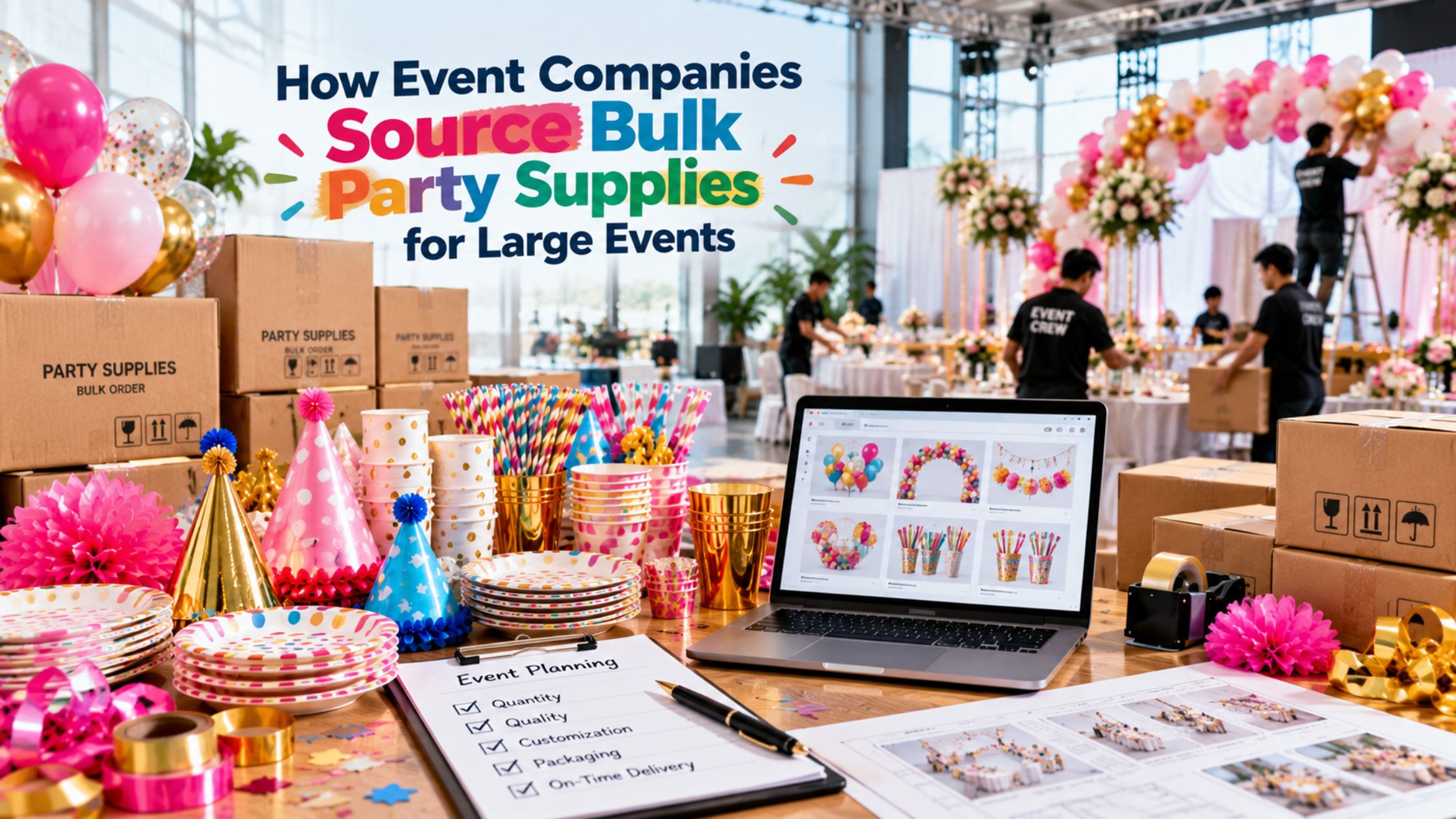
Also read: Bulk Party Supplies for Large Events
How deep should you stock each line?
Match depth to role and to how fast the line sells:
- Undated basics (solid colors, “Happy Birthday”, number balloons): order deep. They carry over from season to season.
- Evergreen themes (dinosaurs, unicorns, jungle safari): order moderately, and reorder on sales.
- Trend and dated items (“Class of 2027”, this year’s color trend): order shallow. Leftovers rarely sell next year.
Latex balloons have a shelf life
Natural latex breaks down with heat, light and air. Old balloons can turn cloudy on the surface, feel sticky or brittle, and burst more often during inflation.
- Store latex balloons sealed, in a cool, dark place, away from windows and heaters.
- Sell the oldest stock first.
- Buy in quantities you can sell within the maker’s recommended period. Ask your supplier for its storage guidance, and check the production date on each carton when it arrives.
Foil balloons and paper goods last longer, but keep paper dry. Humid storage warps plates and fades napkins. See PartySparkz latex balloons and party tableware for current lines.
A worksheet for planning your mix
Use this before your next wholesale order. Fill in one row per product line:
| Line | Role | Landed cost | Selling price | Gross margin | Last season’s sell-through | GMROI | Decision |
| (e.g. gold number foil balloons) | Traffic driver | Reorder deeper / hold/cut designs/drop |
Then check the balance of the whole mix:
- Do your traffic drivers cover the occasions your customers shop for most?
- Does every traffic driver have a margin builder placed next to it?
- Is more of your stock value in undated basics than in dated or trend items?
- Are your seasonal orders based on last year’s sell-through by design, not on the supplier’s catalog?
Building your next order
To build a profitable party supplies product mix, sort your current range by role, run the GMROI numbers, and move money from low-return lines into the basics and margin builders that sell.
To source traffic drivers, basics and margin builders from one factory, browse PartySparkz wholesale party supplies. To get quotes for a mixed order, use the bulk order form.
Frequently asked questions
On margin alone, small impulse items such as cake toppers, novelty glasses, sashes and printed foil balloons usually sit near the top. On overall profit, the answer depends on how fast each line sells. Check GMROI, not just margin.
Only from licensed suppliers. They can drive traffic in kids’ parties, but you can’t have them made to order without a license. Generic themes such as dinosaurs, jungle safari and unicorns can be custom-made and private-labeled.
Start with a few and expand on sales. Too many designs in one theme spreads stock thin and lowers GMROI. Track sell-through by design and keep the winners.
Ready-made kits save packing labor. Assembling your own lets you choose components and change them quickly. Compare the factory’s kit price with your own component cost plus packing labor and packaging.
A party supplies product mix is the balance of products a store or online seller stocks, and how much of each. A profitable mix combines traffic drivers that bring shoppers in, core basics they come back for, high-margin accessories that raise each sale, and seasonal lines sized to what sold last year.