Is starting a party supply business worth it?
Yes, starting a party supply business can be profitable, with gross margins typically ranging from 30% to 50% and a global market valued at over $15.8 billion in 2024, projected to reach $34 billion by 2032. However, the business is highly seasonal, requires careful inventory management, and faces intense competition from Amazon, dollar stores, and large retailers. It is best suited for entrepreneurs who can source smart (ideally direct from a wholesale manufacturer), build recurring B2B relationships, and manage cash flow through seasonal peaks and slow months.
The short version:
- Low barrier to entry, evergreen demand, strong margins when sourced right
- Seasonal cash flow gaps, intense competition, and trend-driven dead stock risk
Every year, billions of people celebrate birthdays, weddings, graduations, holidays, and corporate events. They need decorations, tableware, balloons, candles, and more, and someone has to supply all of it.
That “someone” could be you.
But before you dive into bulk orders and storage units full of foil balloons, it is worth asking the real question: Is the party supply business actually worth starting?
Here is the most complete, honest breakdown you will find about the Pros and Cons of starting a Party Supply Business.
Table of contents
- First, Let Us See the Evaluation of Some of the Leaders in this
- Here’s an evaluation of Walmart Business as a B2B supplier for party supplies and decorations.
- Here’s an evaluation of Amazon Business as a B2B supplier for party supplies and decorations.
- The Global Party Supply Market — Why This Moment Matters
- 15 Pros of Starting a Party Supply Business
- 15 Cons of Starting a Party Supply Business
- Pros and Cons of Starting a Party Supply Business at a Glance
- Who Should Start a Party Supply Business?
- How to Reduce the Risk: Start with the Right Supplier
- Conclusion
- Frequently Asked Questions – Pros and Cons of Starting a Party Supply Business
First, Let Us See the Evaluation of Some of the Leaders in this
Here’s an evaluation of Walmart Business as a B2B supplier for party supplies and decorations.
Overview
Walmart runs a dedicated B2B storefront — Walmart Business (business.walmart.com) — separate from the consumer site, with a category specifically for bulk party supplies and decorations, including tableware, balloons, and decor for events and retailers, sold at tax-exempt wholesale pricing. It also has sub-sections tailored to corporate use cases, including a business birthday shop offering bulk corporate birthday items, large-scale banners, and mass-quantity decorations aimed at office parties and employee celebrations, and a broader corporate event essentials section for professional decorations and high-volume corporate event supplies.
Strengths
Breadth of catalog. From holiday-specific ranges (they call out Halloween, Christmas, Easter, and Valentine’s Day among the occasions they stock for) to themed kids’ party kits, graduation decor, and luau/tropical themes, the assortment is very wide — useful if you need one vendor for many event types rather than sourcing party goods separately from decor, tableware, and gifting. Walmart Business
Tax-exempt/wholesale pricing. Walmart Business explicitly markets tax-exempt purchasing for qualifying businesses, which is a real cost advantage over buying retail (consumer walmart.com) if you’re doing recurring bulk purchases.
Bulk-formatted SKUs already exist. Products are frequently packaged for bulk resale or high-volume use e.g., 100-count pin lots, 150–200 count candy bulk bags, multi-piece party kits (100+ pieces per set) — so you’re not stuck manually multiplying single-unit consumer listings.
Gifting/finishing touches included. Ribbons, bows, gift wrap, tissue paper, and personalized tags are part of the same catalog, useful if your parties/events also involve favors or client gifting.
Limitations to weigh
- Brand/quality consistency is mixed. The catalog aggregates many third-party and generic brands (seen in listings: Unique Industries, Amscan, Beistle, Fun Express, alongside many unbranded/generic sellers) rather than a curated house line — quality and reliability can vary supplier to supplier, same as on the consumer marketplace.
- Not a true wholesale/distributor model. Unlike a specialty party wholesaler (e.g., a dedicated event supply distributor), Walmart Business is closer to a B2B storefront layered on the same marketplace inventory — good for convenience and tax exemption, less good if you need deep case-quantity discounts, freight-pallet ordering, or a dedicated account rep for very large recurring orders.
- No unique/custom branding options apparent from the storefront (e.g., no easy path to custom-printed banners or lounge-branded tableware) — if a shisha lounge wants branded napkins/coasters or custom decor, you’d likely need a specialty printer alongside Walmart for the generic stock.
Fit for a shisha lounge specifically
For recurring needs like themed table decor, seasonal decorations (Halloween, New Year’s, Ramadan/Eid-adjacent themes if relevant to your clientele), disposable tableware for food/drink service, and occasional event decor (private bookings, birthdays hosted at the lounge), Walmart Business is a reasonably strong low-friction option: wide selection, tax exemption, and no minimum order complexity. It’s less suited as your sole source if you want a distinctive, branded in-lounge aesthetic — that piece is better sourced from a specialty décor supplier or custom printer, with Walmart used for the high-turnover generic and disposable items.
Here’s an evaluation of Amazon Business as a B2B supplier for party supplies and decorations.
Overview
Amazon Business (business.amazon.com / amazonbusiness.com) is Amazon’s dedicated B2B storefront layered on top of the same core Amazon marketplace, offering business-only pricing and quantity discounts on more than 5 million items, along with tax-exemption enrollment (ATEP) and a Business Prime membership tier for advanced analytics, purchasing controls, and delivery options. Party supplies and decorations aren’t a separately branded B2B category the way Walmart Business highlights them, but they sit within the general marketplace catalog (mainly under Home & Kitchen / Event & Party Supplies and Toys & Games) and are fully purchasable through a business account.
Strengths
Massive catalog depth. Amazon’s marketplace-driven model means an enormous range of party/decor SKUs — balloons, tableware, streamers, garlands, banners, piñatas, themed kits — sourced from both large brands (Amscan, Beistle) and thousands of small/independent sellers, generally exceeding what a curated retailer catalog like Walmart’s can offer in sheer variety and niche/theme coverage.
Quantity discount mechanism. Rather than pre-set bulk SKUs only, Amazon Business lets you request a quantity discount directly on eligible product pages — you specify the quantity you want and the seller responds with pricing, which can work well for large one-off event orders that don’t match a standard bulk pack size.
Fast, flexible fulfillment. Business Prime layers in free/fast delivery options, which matters for a lounge needing to restock decor quickly around specific event dates or holidays, rather than waiting on a wholesale distributor’s shipping timeline.
Tax exemption program (ATEP). Similar to Walmart’s, letting qualifying businesses purchase tax-free across Amazon and participating third-party sellers, managed centrally at the organization level with group-level purchasing permissions — useful if you want to give staff limited buying authority under one tax-exempt account.
Spend visibility and controls. Business Prime’s analytics dashboards and custom purchasing policies are a genuine differentiator over Walmart Business for a lounge or venue tracking recurring decor/supply spend across multiple events or locations.
Limitations to weigh
- No dedicated “party supplies” B2B storefront. Unlike Walmart Business’s purpose-built party supplies & decorations hub, Amazon Business surfaces party goods through the general marketplace taxonomy — there’s more searching/filtering work to curate a repeatable reorder list.
- Marketplace quality variance is higher. Because so much of the catalog is third-party sellers, consistency, restock reliability, and photo-accuracy vary more than with a single retailer’s own merchandising — a real risk if you need identical decor for recurring themed nights.
- Quantity discounts aren’t guaranteed. They’re only available on select items/quantities that change over time, and the “request a discount” flow requires seller response time, so it’s not a dependable case-price mechanism you can plan tight-turnaround events around.
- Not a specialty wholesale distributor either. Like Walmart Business, this is a retail marketplace with a B2B layer, not a purpose-built party goods wholesaler — you still won’t get case-pallet freight pricing or a dedicated account rep the way a distributor like PartySparkz or BulkPartySupplies.com offers.
Amazon Business vs. Walmart Business for a shisha lounge
- Choose Amazon Business if you value catalog breadth/niche theme availability, fast delivery timing around specific events, and spend-tracking tools across a growing venue.
- Choose Walmart Business if you prefer a more curated, pre-organized bulk-party-supplies storefront that’s easier to browse and reorder from without hunting through general marketplace categories.
- Realistically, many venues use both — Amazon for fast/urgent or niche-theme restocks, Walmart Business for routine bulk tableware/decor reorders — while sourcing any custom-branded lounge decor (logo napkins, branded coasters) from a specialty printer separately, since neither is a custom-branding service.
The Global Party Supply Market — Why This Moment Matters
Before getting into the Pros and Cons of Starting a Party Supply Business, here is the context that changes everything for 2025:
- The global party supplies market was valued at $15.8 billion in 2024 and is growing at a CAGR of 8.5–9.3%, projected to reach $33–$34 billion by 2032–2033 (Straits Research, Fortune Business Insights).
- Party City, once the world’s largest party supply retailer, filed for Chapter 11 bankruptcy in late 2024 and closed all its stores. This left a significant gap in the market that independent retailers, wholesalers, and online sellers are now rushing to fill.
- The Asia-Pacific region where most party supplies are manufactured is growing at 11.7% CAGR, making factory-direct sourcing more accessible and competitive than ever.
- Social media-driven celebrations fueled by Instagram, Pinterest, and TikTok have created a new wave of demand for aesthetically elevated party supplies that look great on camera.
Now, let us look at both sides honestly.
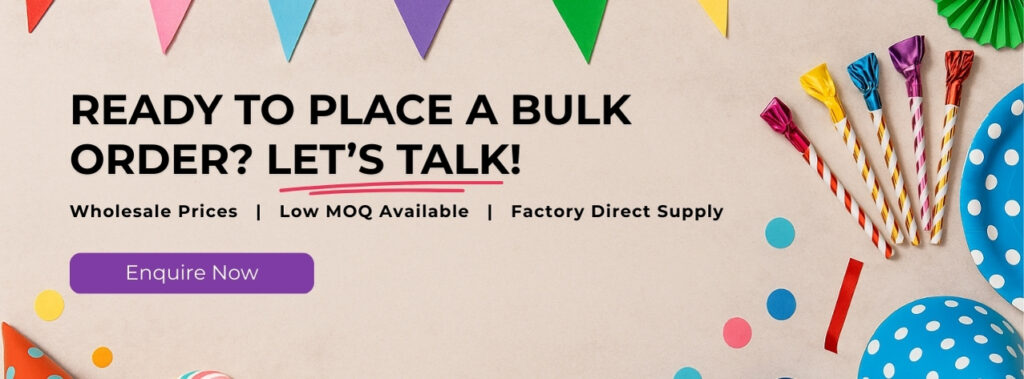
15 Pros of Starting a Party Supply Business
1. People Celebrate Every Single Day — The Demand Never Stops
Unlike fashion trends or tech products, celebrations are universal and timeless. Birthdays happen 365 days a year. Weddings, baby showers, corporate events, anniversaries, graduations — there is always an occasion on the calendar.
As one Quora respondent who started a party supply business put it: “The product solves an emotional need. You are not selling something people want — you are selling something they need to make a moment feel special.”
This evergreen demand means you are not building a business around a trend. You are building one around human behavior.
PartySparkz supplies everything from wholesale balloons and foil balloons to party candles and cake decorations — all the products that are in demand year-round.
2. Low Barrier to Entry — You Can Start Small
According to Starter Story, the cost to start a party supply store can be as low as $500, depending on your model. An online or home-based operation focusing on dropshipping or a small wholesale inventory requires very little upfront capital compared to most retail businesses.
Reddit discussions in r/smallbusiness frequently highlight this: many successful party supply sellers started on Etsy or Amazon with less than $1,000 before scaling. The key is starting lean test what sells, then expand.
3. Profit Margins Are Genuinely Attractive
When you source smartly especially factory-direct from a wholesale manufacturer party supplies offer 30% to 50% gross margins, with some niche products going even higher.
The SoNice Party wholesale guide notes that per-unit costs are often just a few dollars, but products can be resold at 2–3x markup. One SaleHoo case study cited a seller who sourced products at 10 cents per unit and sold them for $15–$20 each.
The margin math becomes even more favorable when you cut out middlemen and buy directly from the factory.
PartySparkz operates as a direct factory supplier, which means no middlemen and no trading company markups, just factory pricing passed directly to B2B buyers. Contact PartySparkz for wholesale pricing.
4. Multiple Sales Channels = Multiple Revenue Streams
A party supply business is rare in that it works across virtually every channel:
- B2B wholesale (sell to supermarkets, event companies, retailers)
- e-commerce (Amazon, Etsy, your own Shopify store)
- Physical retail (your own store or markets)
- Event services (direct-to-consumer decorating or party setups)
This flexibility means you are not betting everything on one distribution channel. If one slows down, the others can compensate.
Also read – party supplies minimum order quantity
5. Seasonal Spikes Create Massive Revenue Windows
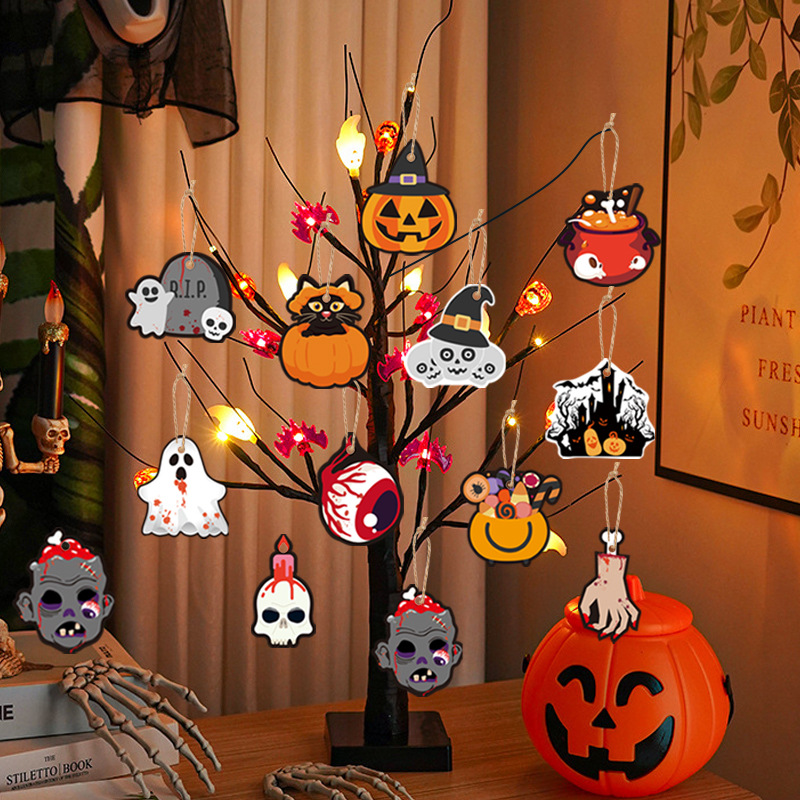
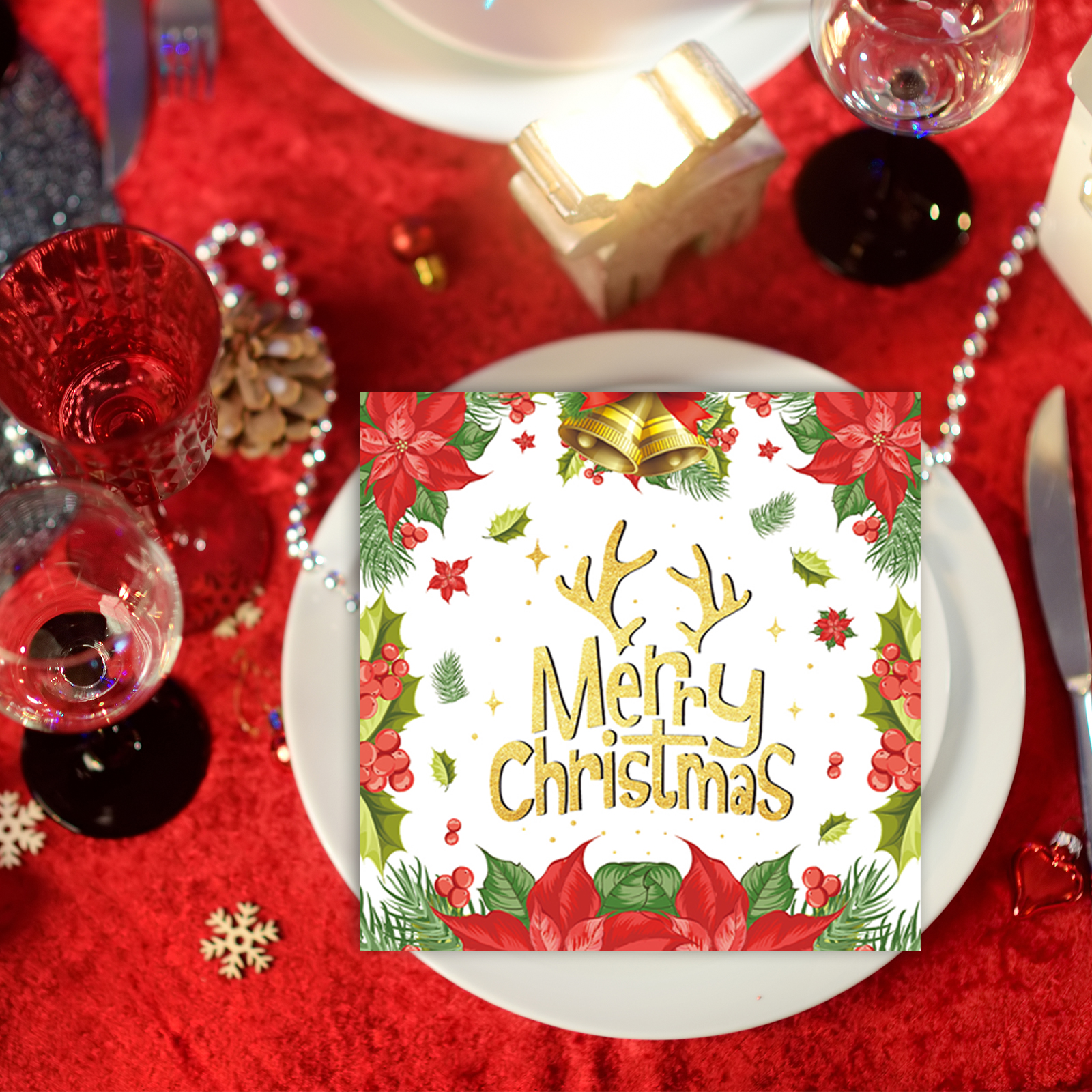
The party supply business has predictable, cyclical revenue peaks that you can plan for and profit from. Halloween alone sees nearly $10 billion in consumer spending annually in the US. Christmas, Valentine’s Day, New Year’s Eve, Easter, and graduation season all create concentrated buying surges.
Smart operators order seasonal stock 4–6 months in advance to lock in wholesale pricing and availability.
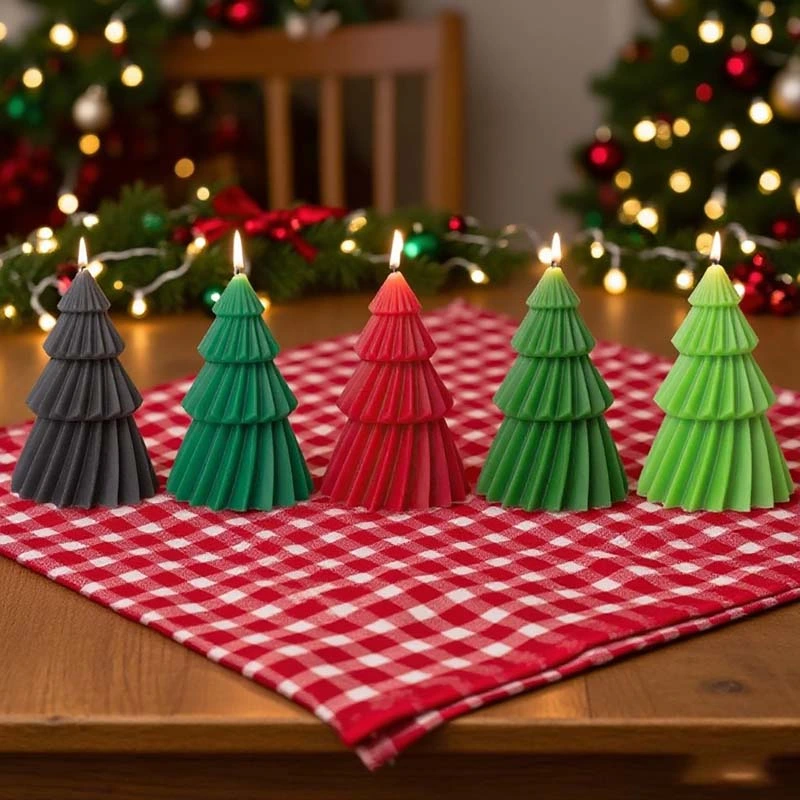
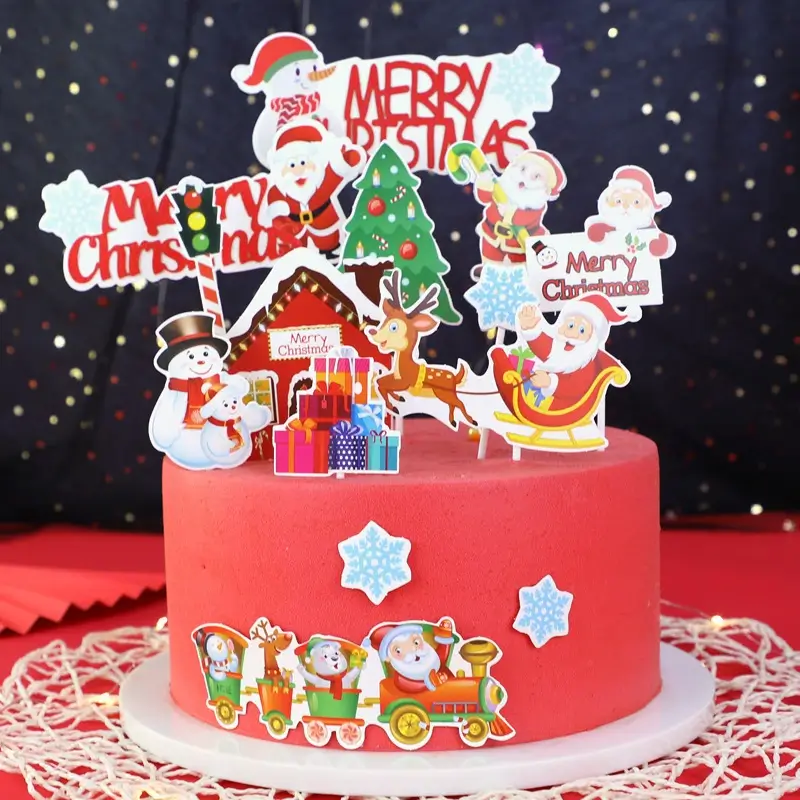
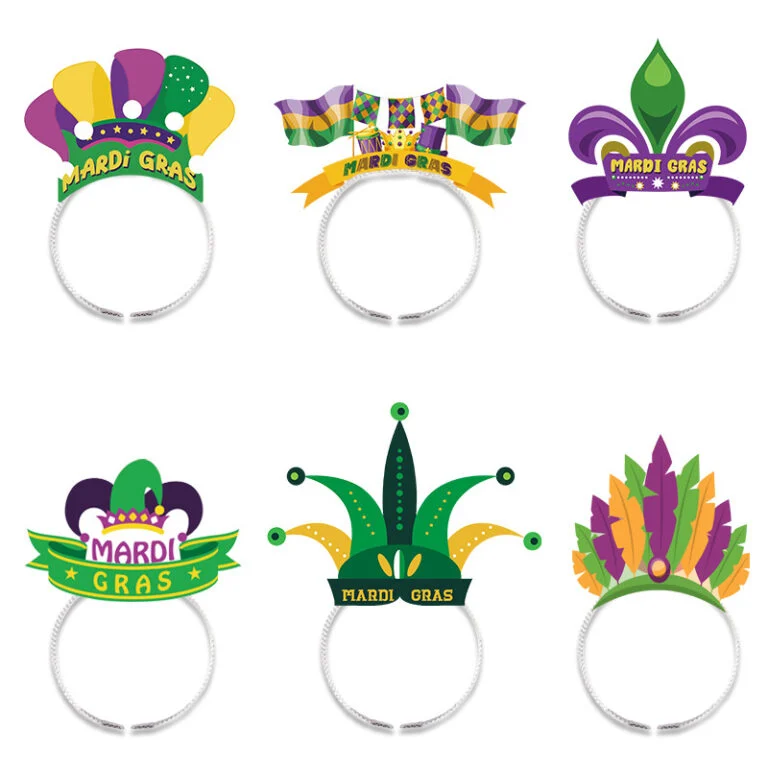
PartySparkz stocks a full range of holiday and seasonal party supplies from Halloween and Christmas to Valentine’s Day, Easter, and graduation themes with stable production and worldwide shipping for bulk orders.
6. The Market Gap Left by Party City Is a Real Opportunity
This is specific to 2025 and beyond. Party City’s collapse created a vacuum in physical and wholesale retail across North America and other markets. Michaels has scrambled to fill some of it, but the opportunity for independent retailers and wholesale distributors is enormous.
Discussions on Reddit r/smallbusiness and retail industry forums have actively flagged this as one of the most significant open market opportunities in the celebration category right now.
7. Strong B2B Demand Creates Predictable Bulk Orders
If you target B2B buyers supermarkets, event companies, bakeries, schools, corporate HR departments you unlock the most stable and high-volume side of the party supply business. A single supermarket chain reordering can replace dozens of small retail sales.
B2B accounts tend to be repeat buyers. Once you solve their sourcing problem, they come back consistently, often on a monthly or quarterly schedule.
8. Private Label Can Dramatically Increase Margins
One of the most discussed opportunities in Reddit and wholesale forums is private labeling putting your own brand on wholesale party products. Branded packaging allows you to charge a premium, build brand equity, and differentiate from commodity sellers on Amazon and Alibaba.
PartySparkz offers OEM and private label services for select product categories, including balloons, banners, and gifting items. Custom branding, packaging, and MOQ-based pricing are available for wholesale buyers.
9. Social Media Is Your Free Marketing Engine
No other product category benefits from social media quite like party supplies. Balloon arches, cake toppers, themed tablescapes, and holiday setups are inherently visual, shareable, and aspirational. TikTok decoration tutorials, Instagram reels, and Pinterest boards drive enormous organic demand.
A single viral post of a stunning balloon garland or an elaborate birthday table setup can send hundreds of buyers directly to your store — at zero ad spend.
Also read – Top Wholesale Party Supply Manufacturers
10. Recurring Customers by Design
Birthdays happen every year. Corporate parties repeat quarterly. Holidays are annual. Unlike many retail categories where customers buy once and leave, party supply customers have built-in re-purchase triggers.
A bakery buying your birthday candles this month will need more next month. A supermarket restocking Halloween decorations this year will need Christmas stock immediately after. The repeat-buy cycle is baked into the calendar.
11. Product Range Is Broad Enough to Always Find a Winning SKU
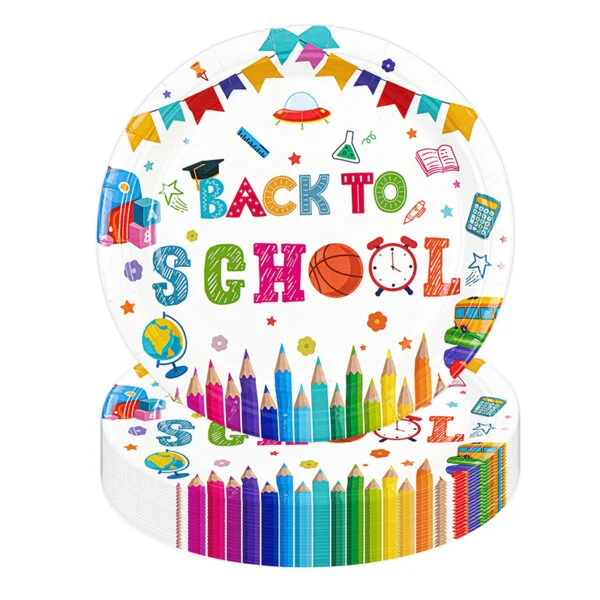
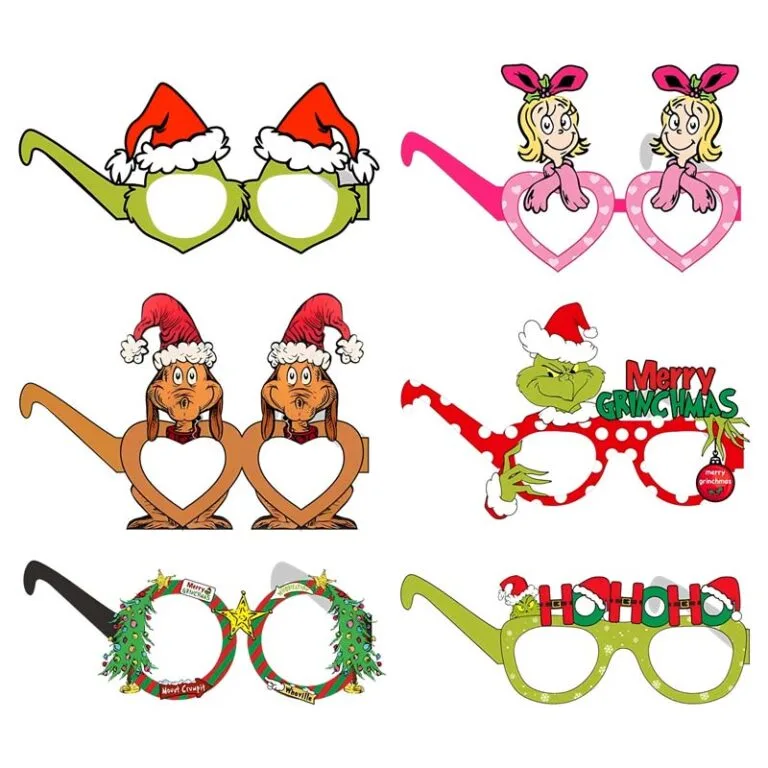
The diversity of party supply categories means you can continuously test and find high-performing products. Balloons, tableware, candles, cake toppers, party glasses, gift bags, seasonal decorations — each category has sub-categories, themes, and variations. If one product line stalls, another is always gaining momentum.
PartySparkz carries a comprehensive wholesale range across balloons, cake decorations, party glasses, candles, and more — allowing buyers to source complete party solutions from a single factory-direct supplier.
12. Low-Complexity Products Mean Quality Control Is Manageable
Unlike electronics or garments, most party supplies are straightforward products with simple quality benchmarks — balloons inflate or they don’t, candles burn properly or they don’t. This makes factory quality control more predictable and easier to manage for new importers.
13. The Gifting Economy Keeps Growing
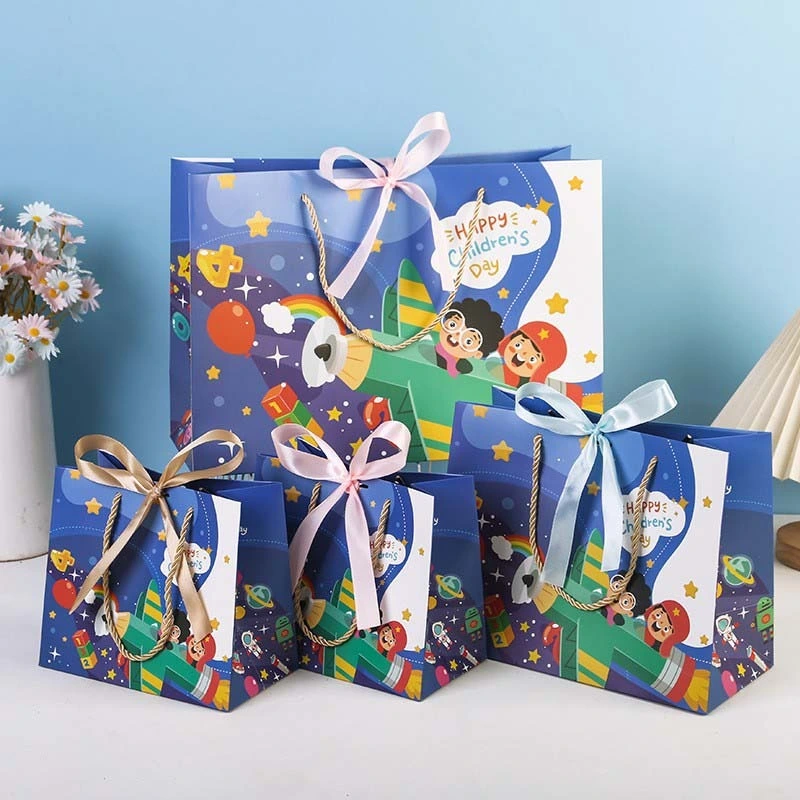
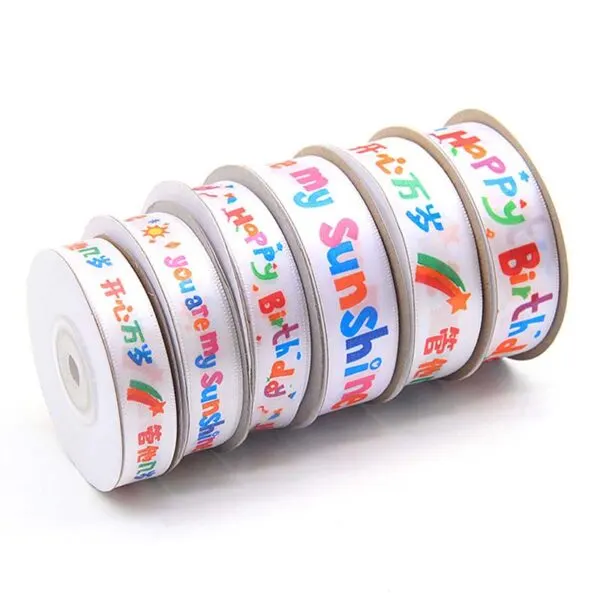
The gifting accessories segment — gift bags, ribbon, decorative packaging, candy bags — has grown significantly as consumers invest more in presentation. Party supply businesses that stock gift accessories can capture additional revenue from the gift-giving economy alongside celebrations.
14. Eco-Friendly Party Supplies Are an Emerging Niche with Premium Pricing
The shift toward sustainable celebrations is real. Consumers, especially in North America and Europe, are actively seeking biodegradable plates, compostable tablecloths, and sustainable packaging. Businesses that get ahead of this trend can charge premium prices and attract a loyal, values-driven customer base.
15. The Business Is Genuinely Scalable
Start with a few SKUs online. Build B2B relationships. Add seasonal categories. Move to private label. The party supply business model scales naturally from a one-person home operation to a full wholesale distributorship without requiring a complete business overhaul at each stage.
Starter Story reports that successful party supply stores can reach $3.7 million per year in revenue at scale.
Also read – What Party Supplies Sell the Fastest in Retail?
15 Cons of Starting a Party Supply Business
1. Seasonality Creates Brutal Cash Flow Gaps
This is the #1 complaint across every community Quora, Reddit, Facebook groups, and industry forums. The party supply business is highly seasonal, with massive revenue spikes around Halloween, Christmas, Valentine’s Day, and graduation season, followed by genuinely slow months with little to no sales.
Managing cash reserves from peak periods to cover off-peak months is a real operational challenge, especially for newer businesses without a financial cushion.
As one r/smallbusiness thread noted: “January through March is basically dead for us unless we stock Valentine’s stuff. You have to plan really carefully, or you’ll run out of money before the next peak.”
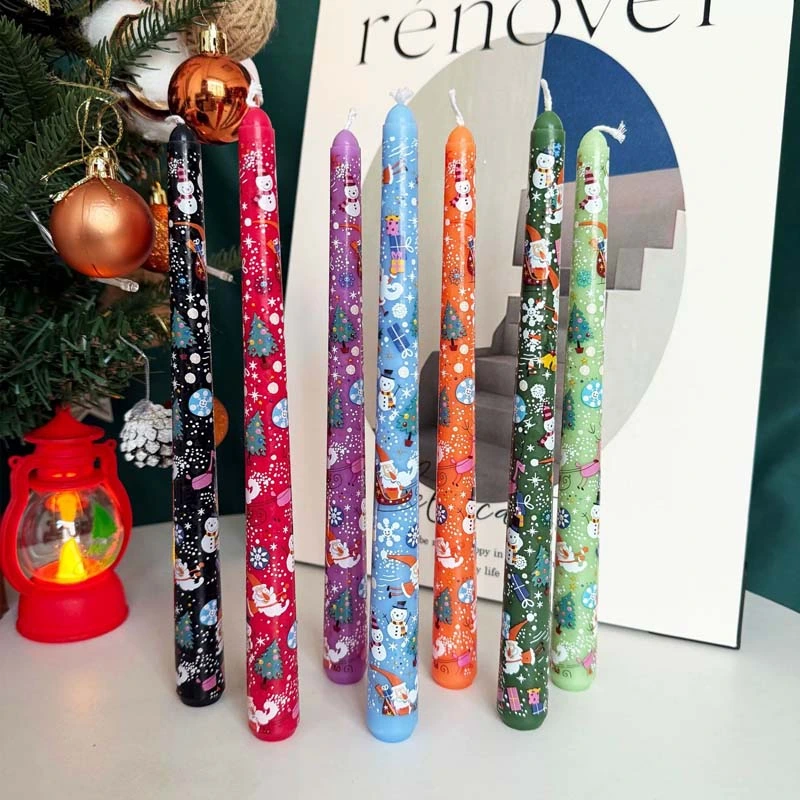
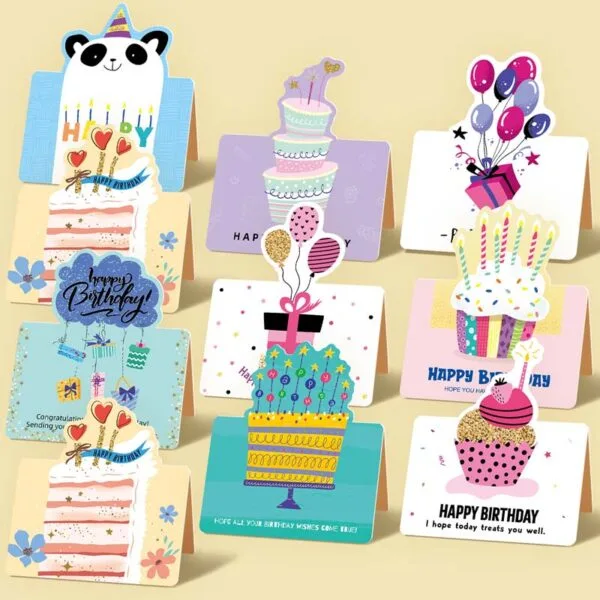
Tip: Carrying year-round evergreen products alongside seasonal stock helps smooth this.PartySparkz’s birthday candles, latex balloons, and cake decorations are consistent sellers every month of the year.
2. Competition Is Intense and Includes Giants You Cannot Out-Price
Amazon, Walmart, Dollar Stores, and Alibaba are all in this space, and they compete on price in ways that are almost impossible to match on commodity items. Quora answers on this topic are blunt: “Amazon and Oriental Trading are your main competitors you need to be niche, or you will get crushed.”
The key is differentiation through curated selection, B2B relationships, private label, or superior service rather than price competition on standard items.
3. Individual Unit Margins Are Thin Without Volume
While overall margins can be 30–50%, the absolute dollar amount per item is small. A pack of birthday candles might net you $1–$2 in profit. A dozen latex balloons, perhaps $3–$5. This means you need volume to build meaningful revenue, which requires either a high-traffic channel or strong B2B relationships with repeat bulk buyers.
Solo retail sales without a volume strategy will not generate meaningful income.
4. Trend-Driven Inventory Becomes Dead Stock Fast
Party supply trends move quickly. A specific color palette or balloon style that sells out in October may sit unsold by February. Themed products tied to pop culture (specific characters, viral aesthetics, trending color combinations) can go from bestseller to clearance bin in less than a season.
Reddit’s wholesale seller communities regularly discuss the pain of the overbuying trend-specific inventory. The general advice: start conservative on new trends and scale only when you see actual movement.
5. Storage and Inventory Are More Challenging Than Expected
Balloons are bulky. Tableware takes up shelf space. Seasonal products that only move twice a year occupy storage year-round. As your SKU range grows, inventory management becomes a significant operational challenge.
Facebook business groups are full of new party supply owners who underestimated storage costs and ended up with garages, basements, and rented units full of products that were difficult to move.
6. Finding a Reliable Supplier Is the Hardest First Step
Many community discussions from Quora to Reddit to sourcing forums highlight supplier reliability as the critical make-or-break factor. Late shipments, inconsistent quality, misleading product descriptions, and minimum order requirements can derail a new business entirely.
This is why vetting a factory-direct supplier before placing large orders is essential: request samples, confirm HS codes and documentation, and start with small test orders before committing to bulk quantities.
PartySparkz provides Proforma Invoices with full HS codes and Incoterms documentation for international buyers. Buyers report within 48 hours of delivery for any damage claims, and sample orders are supported before bulk commitment.
Also read – paper plates vs plastic plates
7. Import Tariffs and Trade Disruptions Add Real Cost Unpredictability
In 2025, US tariff increases on Chinese goods referred to as “Liberation Day Tariffs” in trade publications have raised production costs by 15–30% for many categories of consumer goods sourced from China, including party supplies. This creates pricing volatility that is difficult to forecast and can compress margins unexpectedly.
Importers in the US and Europe need to factor this into their cost calculations and potentially diversify their sourcing regions or pass costs on to buyers.
8. Perishable and Fragile Products Create Shrinkage and Waste
Latex balloons degrade in heat and UV light. Candles can melt or warp in hot shipping environments. Foil balloons can be punctured in transit. Paper-based products are susceptible to moisture. Party supplies, while not “food,” have shelf life and fragility considerations that create waste, shrinkage, and customer service issues if not properly managed.
9. Low-Cost Chinese Imports Have Commoditized the Middle Market
The widespread availability of low-cost party supplies directly from Chinese sellers on platforms like AliExpress, Temu, and Alibaba has made it very difficult to compete in the mid-range market. If you’re not offering something distinctly better in quality, customization, curation, or service — price-sensitive buyers will simply go to the cheapest source.
10. Returns and Damage Claims Are Difficult for International Orders
For importers buying from overseas factories, returning damaged or incorrect goods is logistically and financially difficult. Shipping costs often exceed the value of the goods themselves. Most wholesale suppliers — including those operating legitimately — will only accept claims within a tight window (typically 24–48 hours of delivery) with photographic evidence.
New buyers often discover this the hard way after receiving a mispackaged order they can’t practically return.
11. Marketing Requires Consistent Investment
Party supplies do not sell themselves online without a deliberate marketing strategy. SEO, paid social, influencer partnerships, and content marketing all require time and/or money. Many Reddit r/entrepreneur threads feature party supply sellers who invested heavily in inventory but allocated nothing to marketing, only to watch it sit unsold.
Social media content creation for a visually-driven product category is time-intensive, and paid ads for party supplies face stiff competition from large brands.
12. Regulatory and Environmental Pressure Is Growing
Single-use plastic tableware, latex balloons, and foil balloons face increasing regulatory scrutiny in multiple markets. The EU has already restricted certain single-use plastics. Several US states and UK municipalities have restrictions on balloon releases. Businesses that don’t proactively adapt their product mix toward sustainable alternatives may find themselves restricted from key markets.

13. MOQ Requirements Lock Up Capital Before You Know What Sells
Factory-direct wholesale typically comes with minimum order quantities (MOQs) that require committing capital before you have tested a product in your specific market. If the product doesn’t move, that capital is locked into physical inventory. For new buyers still learning what sells in their region or channel, this is a genuine financial risk.
The workaround is to find manufacturers with flexible MOQ tiers especially for first orders, so you can test before scaling.
14. Staffing and Operational Scaling Is Non-Linear
The business is easy to start alone but difficult to scale without adding complexity. Adding staff for peak season inventory management, order fulfillment, and customer service introduces HR, training, and overhead costs that can erode margins significantly if not planned carefully.
15. Differentiation Is Hard in a Commodity-Heavy Market
Walking into any dollar store, supermarket, or Amazon listing reveals hundreds of party supply options at rock-bottom prices. Differentiating yourself on quality alone in a category where “good enough” is the consumer standard is genuinely difficult.
The businesses that succeed long-term in party supplies typically win on relationships (loyal B2B accounts), specialization (a niche they own), private label (their own brand equity), or service excellence (reliability that big suppliers can’t match).
Pros and Cons of Starting a Party Supply Business at a Glance
| Pros | Cons | |
| Market | $15.8B global market, growing 8–9% CAGR | Intense competition from Amazon, dollar stores |
| Margins | 30–50% gross margins possible | Thin per-unit amounts require volume |
| Demand | Evergreen — celebrations happen daily | Seasonal cash flow gaps in slow months |
| Entry | Can start for as little as $500 | MOQ requirements lock up capital early |
| Opportunity | Party City collapse opened market | Trend-driven dead stock risk |
| Channels | Multiple: B2B, eCommerce, retail | Marketing investment needed across all |
| Sourcing | Factory-direct pricing available | Supplier vetting is hard and critical |
| Growth | Scales from home business to distributor | Operational complexity grows with scale |
| Social media | Visual products = free organic reach | Content creation is time-intensive |
| Regulations | Growing eco-niche opportunities | Plastic restrictions in key markets |
Who Should Start a Party Supply Business?
You are well-positioned if:
- You have or can build a reliable B2B wholesale relationship with a factory-direct supplier
- You are targeting a specific buyer segment (bakeries, event companies, supermarkets) rather than competing retail-to-consumer against Amazon
- You understand seasonal cash flow and have a plan for slow months
- You have a differentiation strategy: private label, niche, or exceptional service
Think carefully if:
- You plan to sell generic products at retail prices with no clear differentiator
- You have not factored in storage, MOQ, and import logistics costs
- You are counting on high volume immediately, without a B2B pipeline
How to Reduce the Risk: Start with the Right Supplier
Many of the cons above are magnified when you source through intermediaries trading companies, Alibaba brokers, or multiple disconnected suppliers. The hidden costs, inconsistent quality, and communication gaps compound quickly.
The most common advice across every community Reddit, Quora, SaleHoo forums is to go factory-direct as soon as possible.
Working directly with a manufacturer gives you:
- Factory pricing (no middleman markup)
- Direct quality control visibility
- Flexible MOQ discussions
- OEM and private label options
- Consistent stock for repeat orders
PartySparkz is a China-based wholesale factory supplying party supplies directly to retailers, distributors, supermarkets, event companies, and online sellers worldwide. Their product range covers wholesale balloons, foil balloons, latex balloons, birthday candles, cake decorations, party glasses, and seasonal holiday products — with worldwide shipping, volume pricing, and private label support.
Explore PartySparkz’s wholesale catalog →
Conclusion
The party supply business has real, proven upside — an enormous and growing global market, attractive margins, evergreen demand, and multiple revenue channels. But it also has real challenges — seasonal cash flow, intense competition, inventory complexity, and the constant pressure to find the right supplier at the right price.
The businesses that win are those that solve the sourcing problem first. When you buy factory-direct, at the right price, with consistent quality and reliable supply, most of the cons become manageable. When you don’t, even the pros can’t save you.
Whether you are an independent retailer, an event company, a supermarket buyer, or an online seller, the fundamentals are the same: start with a reliable wholesale partner, learn what moves in your market, and build from there.
Frequently Asked Questions – Pros and Cons of Starting a Party Supply Business
Yes, when sourced and managed properly. Gross margins typically range from 30% to 50% on wholesale-purchased products. Successful party supply stores can generate millions annually, but profitability depends heavily on sourcing strategy, channel mix, and inventory management.
Startup costs range from as low as $500 for a home-based online model to over $1 million for a physical retail store. Most first-time operators start online with a small wholesale inventory investment of $2,000–$10,000 and scale from there.
Balloons (latex and foil) are the highest-volume segment globally. Birthday candles and cake decorations are consistent year-round sellers. Seasonal products — Halloween, Christmas, Valentine’s Day — generate the biggest revenue spikes.
Yes. The global party supplies market is projected to grow from $15.8 billion in 2024 to $33–34 billion by 2032, growing at a CAGR of 8–9%. Emerging markets in the Asia-Pacific are the fastest-growing region.
Most party supplies are manufactured in China, with Yiwu and Guangzhou being the primary production hubs. Factory-direct wholesale partnerships are the most cost-effective sourcing model for serious businesses.
Maintain a mix of evergreen, year-round products (birthday candles, standard balloons, tableware) alongside seasonal inventory. Build cash reserves during peak periods to cover off-peak months, and pre-order seasonal stock 4–6 months in advance for better pricing.