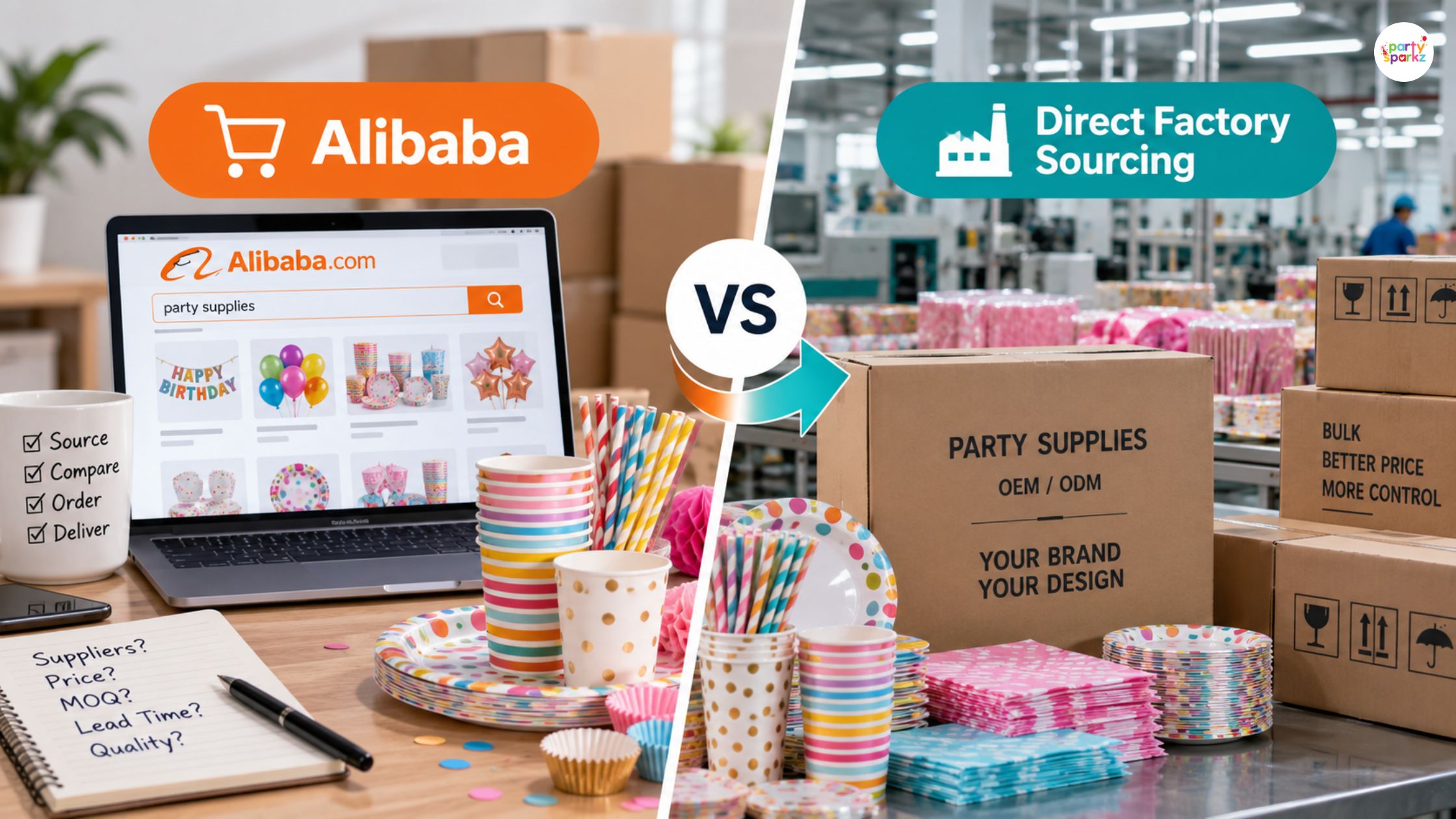
Cutting out the middleman by sourcing directly from a factory typically saves 10-30% on standard products and up to 40-50% on complex or customized goods, but it comes with higher MOQs, more due diligence, and less built-in dispute protection than buying through Alibaba. The core issue: an estimated 60-70% of Alibaba suppliers in consumer goods and general merchandise categories are trading companies, not the factories they often present themselves as, meaning many buyers who think they’re already sourcing “direct” are actually paying a hidden markup layer without realizing it.
Here’s exactly what changes in price, risk, quality control, and communication when you move from an Alibaba listing to a genuine direct factory relationship, and how to tell which one you’re actually dealing with.
Table of contents
- Quick Comparison: Alibaba (Trading Company) vs. Direct Factory
- What Alibaba Actually Is (and Isn’t)
- What Does the Trading Company Markup Actually Cost You?
- What MOQ Trade-Off Should Buyers Expect Going Direct?
- What Risks Are Specific to Trading Company Sourcing?
- When Does Alibaba (or a Trading Company) Still Make Sense?
- When Does Going Direct Make the Bigger Difference?
- How Can Buyers Tell Whether They’re Tal king to a Real Factory?
- What This Means for Party Supply Retailers Sourcing from China
- Where to Read More on This Comparison
- Quick Answer Recap
Quick Comparison: Alibaba (Trading Company) vs. Direct Factory
| Factor | Alibaba / Trading Company | Direct Factory |
| Typical markup vs. factory cost | 10-30% (simple goods); 30-50% (complex/custom goods) | None — you’re paying the production cost directly |
| Typical MOQ | 100-500 units | 1,000-5,000+ units per SKU |
| Communication | Passes through an intermediary; delays and translation loss common | Direct with the people actually producing the goods |
| Quality control | Depends entirely on the trading company’s own vetting | Buyer has direct visibility into production |
| Dispute protection | Trade Assurance and platform-mediated resolution available | Relies on contract terms and buyer’s own leverage/relationship |
| Design/IP protection | Harder to enforce across an intermediary layer | Easier to control through direct agreements |
| Best suited for | First-time buyers, small test orders, sourcing discovery | Repeat, high-volume orders and custom/private-label products |
What Alibaba Actually Is (and Isn’t)
Alibaba is a marketplace, not a factory and that distinction matters more than most first-time buyers realize. A supplier listing on Alibaba can be a real factory, a trading company, a sourcing agent, or in some cases an individual reselling access to a handful of factory relationships. Alibaba’s “Gold Supplier” or “Verified Supplier” badges indicate that a business has paid for a premium listing and completed a verification process — they don’t confirm that the business actually owns the production line making your product.
This isn’t inherently deceptive on Alibaba’s part. Trading companies do provide real value for certain buyers: they consolidate small orders across multiple factories, handle export documentation and English-language communication, and absorb quality risk that a first-time buyer often has no practical way to manage alone. The problem arises when a buyer assumes they’re paying factory pricing when they’re actually paying a trading company markup on top of it without the corresponding service value that would justify that markup for their specific order.
What Does the Trading Company Markup Actually Cost You?
The markup a trading company adds varies by product complexity and order volume, but it follows a fairly consistent pattern across sourcing categories:
- Simple, commoditized products — basic tableware, standard packaging, generic accessories typically carry a 15-30% trading company markup over direct factory cost.
- More complex or customized products — items requiring specific molds, custom printing, or coordinated multi-component assembly — can carry markups of 30-50%, since the trading company is also pricing in coordination across design iterations and component sourcing.
On a recurring order, this compounds quickly. A buyer placing $60,000 a year in orders through a trading company layer, at even a conservative 20-30% markup, is effectively paying $12,000-18,000 annually for a layer that adds coordination convenience but no actual production value money that could otherwise fund a direct factory relationship, a dedicated quality control process, or simply better margins.
Also read – order custom wholesale party supplies from partysparkz
What MOQ Trade-Off Should Buyers Expect Going Direct?
The most immediate operational change when moving from Alibaba to direct factory sourcing is minimum order quantity. Trading companies typically offer MOQs in the 100-500 unit range, since they’re pooling demand across multiple buyers and product lines to meet a factory’s actual production minimum. Direct factories, by contrast, commonly require 1,000-5,000+ units per SKU, since there’s no aggregation layer smoothing out the order size.
This is exactly why a hybrid sourcing approach using Alibaba or a trading company to test a new product category at low volume, then moving to a direct factory relationship once demand is validated and order volume justifies the higher MOQ, is widely recommended across sourcing guidance rather than treating the two channels as mutually exclusive. Buyers testing party supply categories at small volume can review wholesale party supplies for business owners’ guidance for how this staged approach typically plays out in practice.
What Risks Are Specific to Trading Company Sourcing?
A few risk patterns show up repeatedly across trading company sourcing, regardless of product category:
Sample bait-and-switch. A high-quality sample arrives — often genuinely produced by a capable factory — but bulk production quietly ships from a cheaper subcontractor once the order is confirmed. The final batch matches the agreed price, not the sample that won the order.
Spec drift. Small, hard-to-notice downgrades in material or construction — a slightly thinner material, a cheaper finish — that individually seem minor but collectively erode product quality compared to what was approved in the original sample.
The “telephone game” quality problem. Every design change or quality complaint has to pass through an intermediary layer before reaching the actual production floor, and every hop in that chain adds delay and the risk of miscommunication or lost detail.
Certification and compliance ambiguity. Certifications like ethical manufacturing audits or material safety compliance are issued to specific production facilities and generally aren’t transferable. A trading company can claim a product meets a given certification, but if they’re sourcing from multiple factories depending on stock availability, that claim may apply inconsistently across different orders — a real concern for buyers sourcing children’s products, where safety documentation needs to trace back to the actual manufacturing facility, not just the seller’s marketing claim.
When Does Alibaba (or a Trading Company) Still Make Sense?
Despite the markup and risk factors above, buying through Alibaba or a trading company genuinely makes sense in specific situations:
- Testing a new product concept at low volume, where the convenience and lower MOQ outweigh the price premium for a first exploratory order.
- Sourcing generic, unbranded stock goods where product differentiation and certification traceability matter less than simply getting inventory in hand.
- Using the platform purely for discovery — many experienced buyers use Alibaba to identify promising suppliers, then move off-platform to negotiate and order directly once a specific factory has been identified and vetted.
- Placing occasional, smaller orders where the overhead of managing a direct factory relationship — audits, dedicated quality inspection, communication management — would outweigh the savings on a low order volume.
When Does Going Direct Make the Bigger Difference?
Direct factory sourcing delivers its strongest value under a specific set of conditions:
- Stable, recurring, high-volume orders — generally 5,000+ units monthly or its equivalent across a season — where the markup savings compound meaningfully over time.
- Custom or private-label products requiring consistent specification control across every production run, since spec drift is far easier to catch and correct in a direct relationship.
- Categories with real certification requirements — children’s products, food-contact tableware, anything requiring documented safety compliance — where certification needs to trace directly back to the manufacturing facility rather than through an intermediary’s claim.
- Buyers with the internal capacity to manage the relationship — enough order volume and operational bandwidth to handle factory communication, quality inspection scheduling, and shipping coordination without a trading company absorbing that work.
Also read – factory direct party supplies manufacturer
How Can Buyers Tell Whether They’re Talking to a Real Factory?
A few practical checks separate a genuine direct factory relationship from a trading company presenting itself as one:
- Ask directly whether they own the production line, and request evidence — factory photos, video verification, or an in-person/virtual factory tour.
- Request factory audit certificates — credentials like Sedex, BSCI, or FAMA are issued to the specific facility being audited, and trading companies typically can’t produce these because they don’t operate the factory in question.
- Ask who else they’re producing for, particularly whether they work with a direct competitor in your category — a legitimate factory will generally be transparent about this.
- Weigh your received sample against the bulk shipment specification once it arrives, since a mismatch is one of the clearest signals of a bait-and-switch trading company relationship.
This same verification logic applies directly to party supplies sourcing — buyers comparing manufacturers in this space should apply exactly this checklist before committing to a large order, including when evaluating wholesale party supplies manufacturers or category specialists like latex balloon manufacturers in China and foil balloon suppliers in China, since the party supplies category carries the same trading-company-disguised-as-factory risk as apparel, electronics, or packaging.
What This Means for Party Supply Retailers Sourcing from China
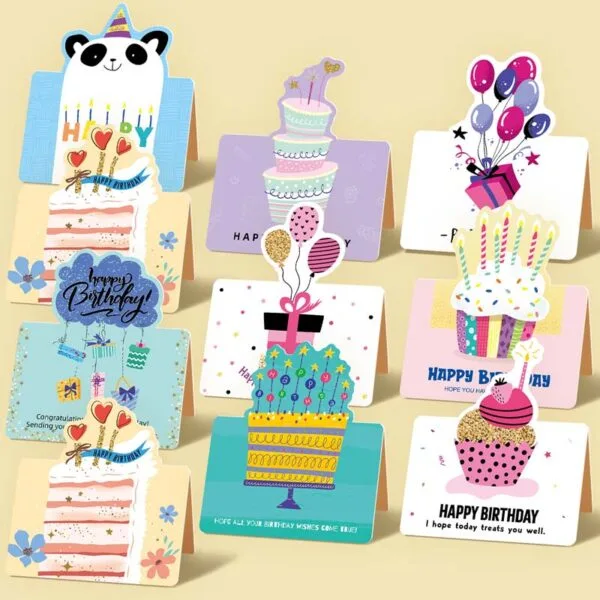
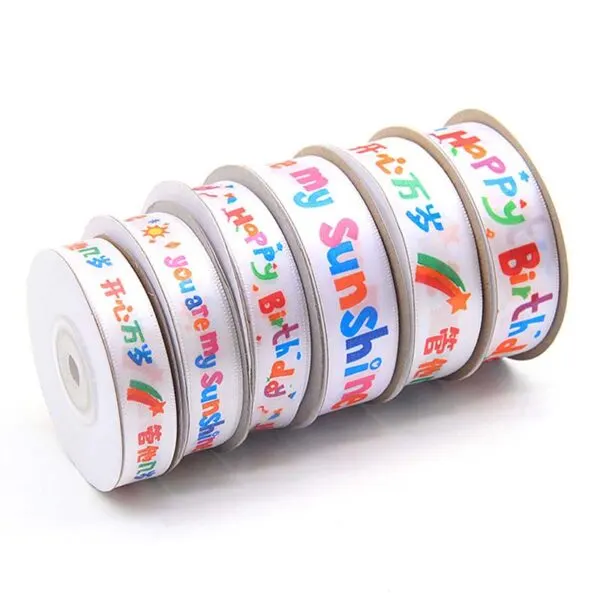
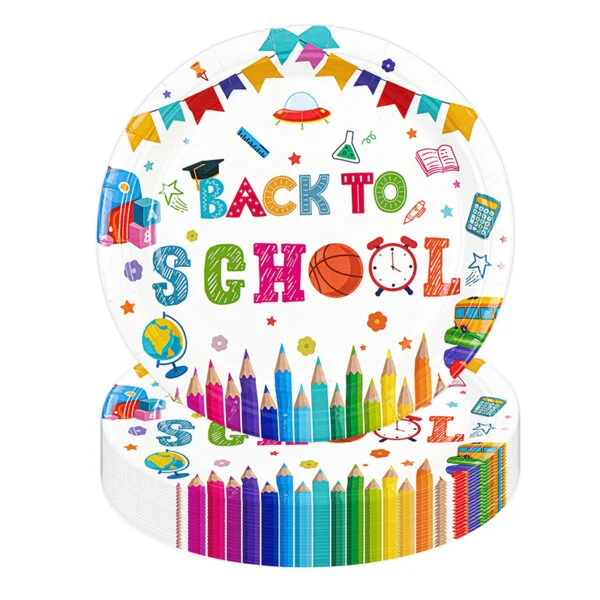
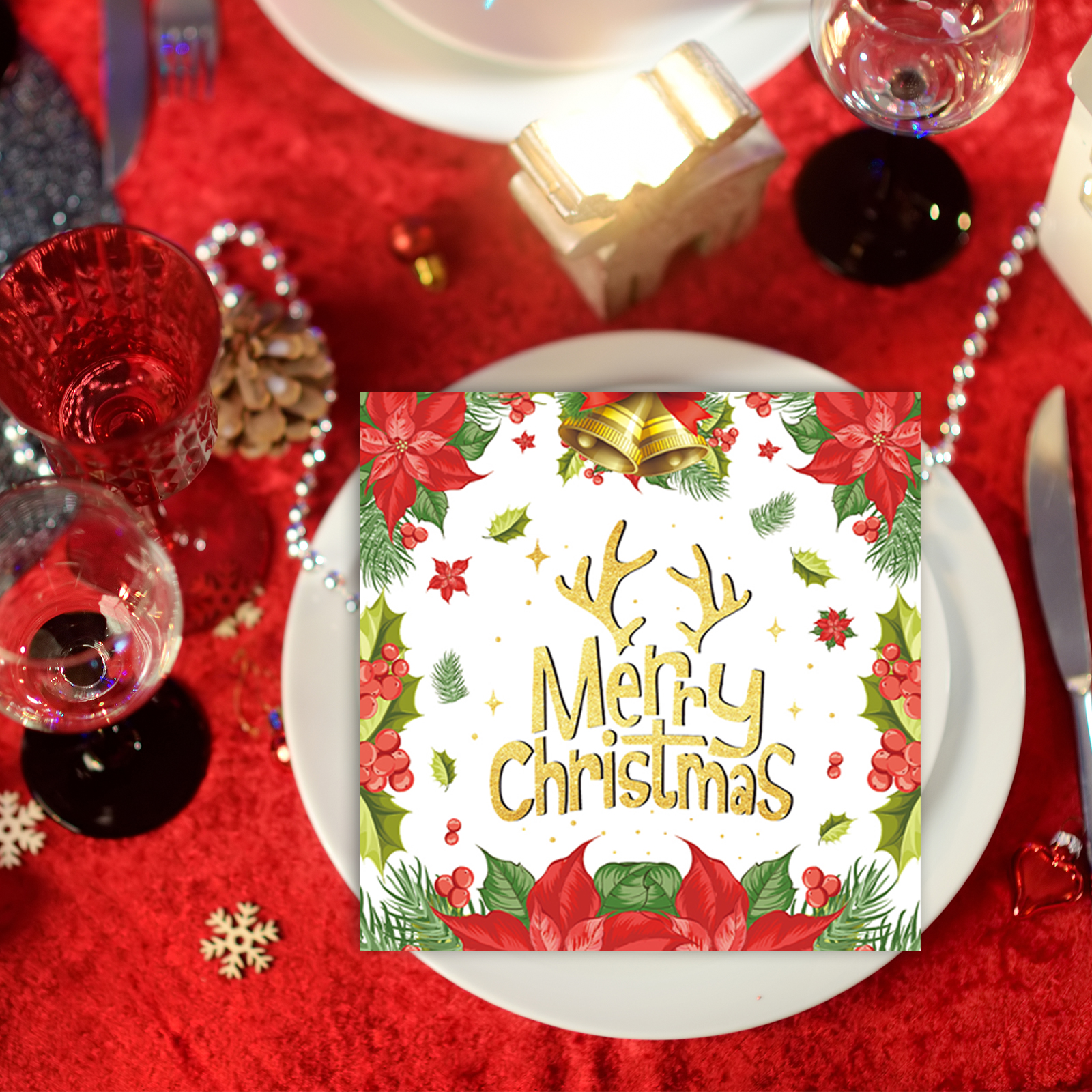
Party supplies sit squarely in the “commoditized consumer goods” category where trading company markups run 15-30% on standard products, making the direct-factory savings genuinely material for retailers placing recurring orders. It’s also a category where certification traceability matters — balloons, tableware, and children’s party accessories are exactly the kind of products where a buyer needs safety and compliance documentation that traces back to a specific, audited production facility rather than a trading company’s general claim.
PartySparkz addresses this directly as a genuine factory-direct manufacturer rather than a trading company: audited Sedex, BSCI, and FAMA certifications tied to its own Hefei, Anhui facility, factory-direct pricing without a trading company markup layer, and direct communication with the team actually producing the goods rather than routing every specification question through an intermediary. Buyers comparing this against China’s broader manufacturing landscape can review the full top wholesale party supply manufacturers in China comparison for how PartySparkz and other verified factories stack up on MOQ, specialty, and lead time.
For retailers who’ve been testing party supply categories through Alibaba or trading companies and are ready to move to a direct relationship once volume justifies it, PartySparkz’s wholesale party supplies program offers a lower-friction entry point into direct factory sourcing than most manufacturers — MOQs from 500 pieces (OEM) or as low as 50 sets (white-label), rather than the 1,000-5,000+ unit minimums typical of direct factory relationships generally, making the transition from trading-company sourcing to genuine factory-direct sourcing realistic even for buyers who haven’t yet reached high-volume order territory.
Where to Read More on This Comparison
Two sourcing-focused guides worth reviewing for a deeper, category-agnostic breakdown of the Alibaba-vs-direct-factory decision:
- ChinaMakersHub’s comparison of Alibaba vs. direct factory sourcing covers the estimated 60-70% trading-company ratio on Alibaba in more detail, along with category-specific markup ranges.
- Sleek Apparels’ breakdown of what the middleman actually costs walks through how to distinguish a real factory from a trading company presenting as one, including which questions to ask before committing to a supplier relationship.
Quick Answer Recap
Cutting out the middleman by sourcing directly from a factory typically saves 10-30% on standard products and up to 50% on complex or customized goods, but requires accepting higher MOQs (1,000-5,000+ units vs. 100-500 through a trading company) and taking on more due diligence without Alibaba’s built-in Trade Assurance protection. An estimated 60-70% of Alibaba suppliers in consumer goods categories are trading companies rather than factories, making certification and quality traceability genuinely harder to verify through the platform. The most common recommended approach is hybrid: use Alibaba or a trading company to test new categories at low volume, then transition to a verified direct factory relationship, checking for audited certifications like Sedex, BSCI, or FAMA — once order volume justifies the higher commitment.