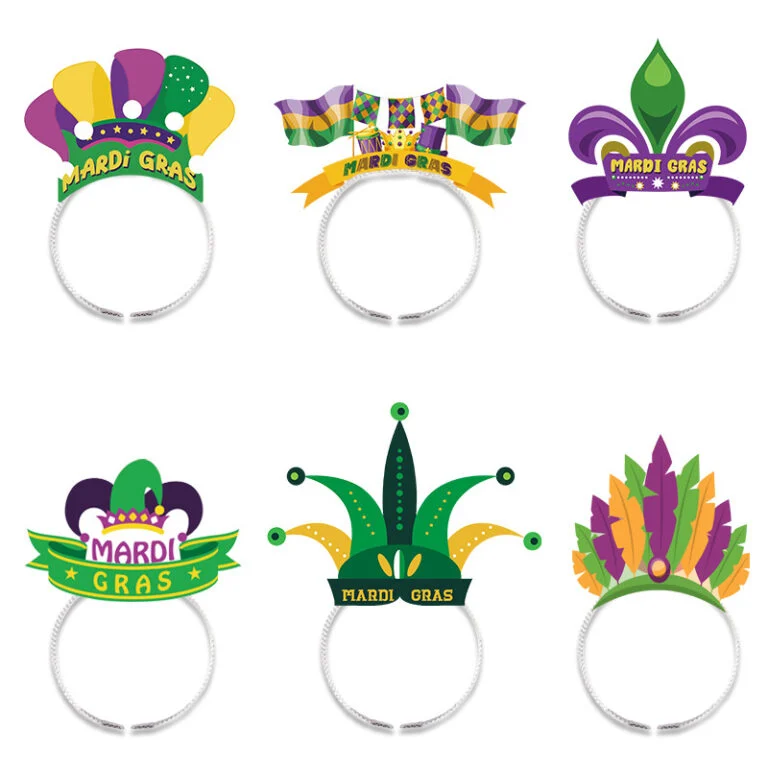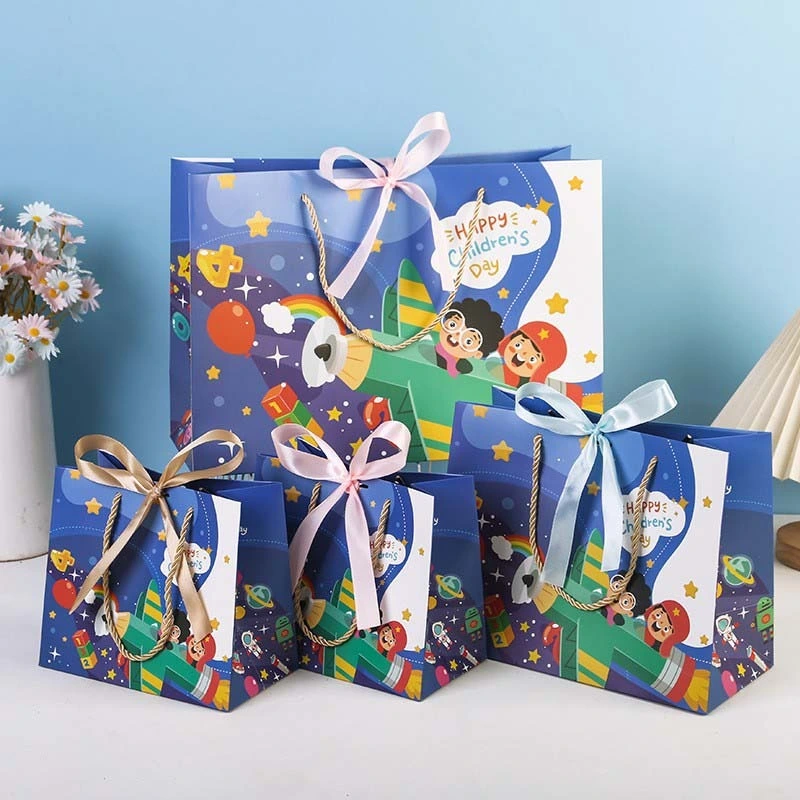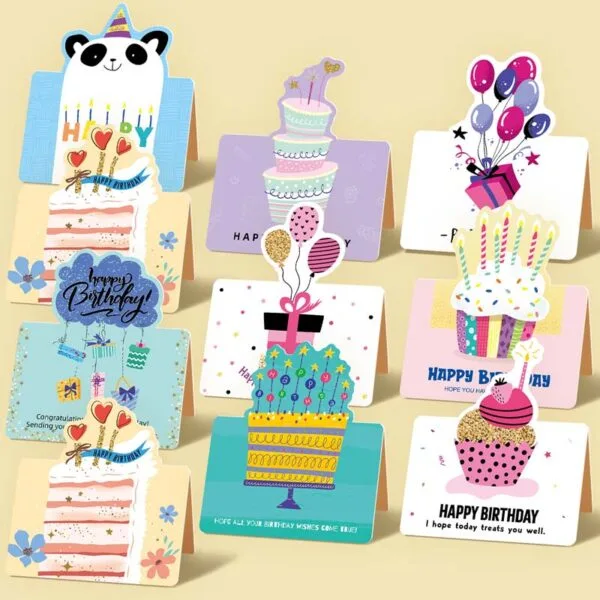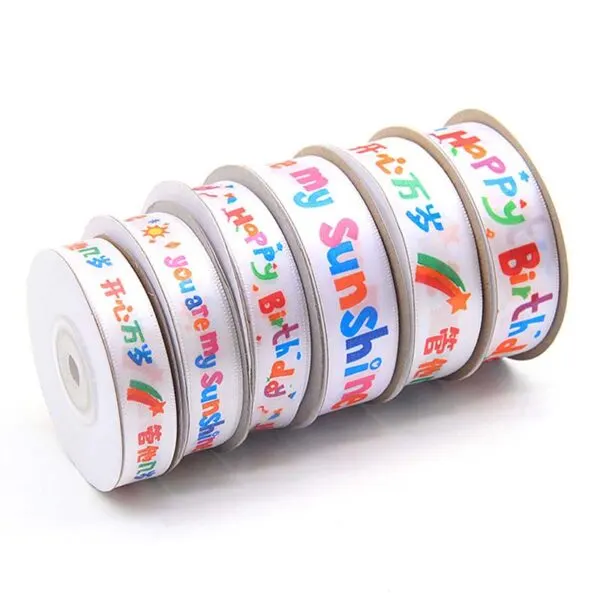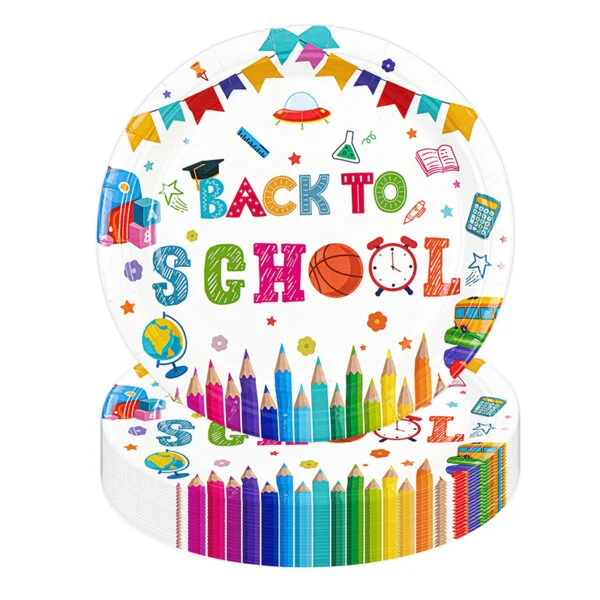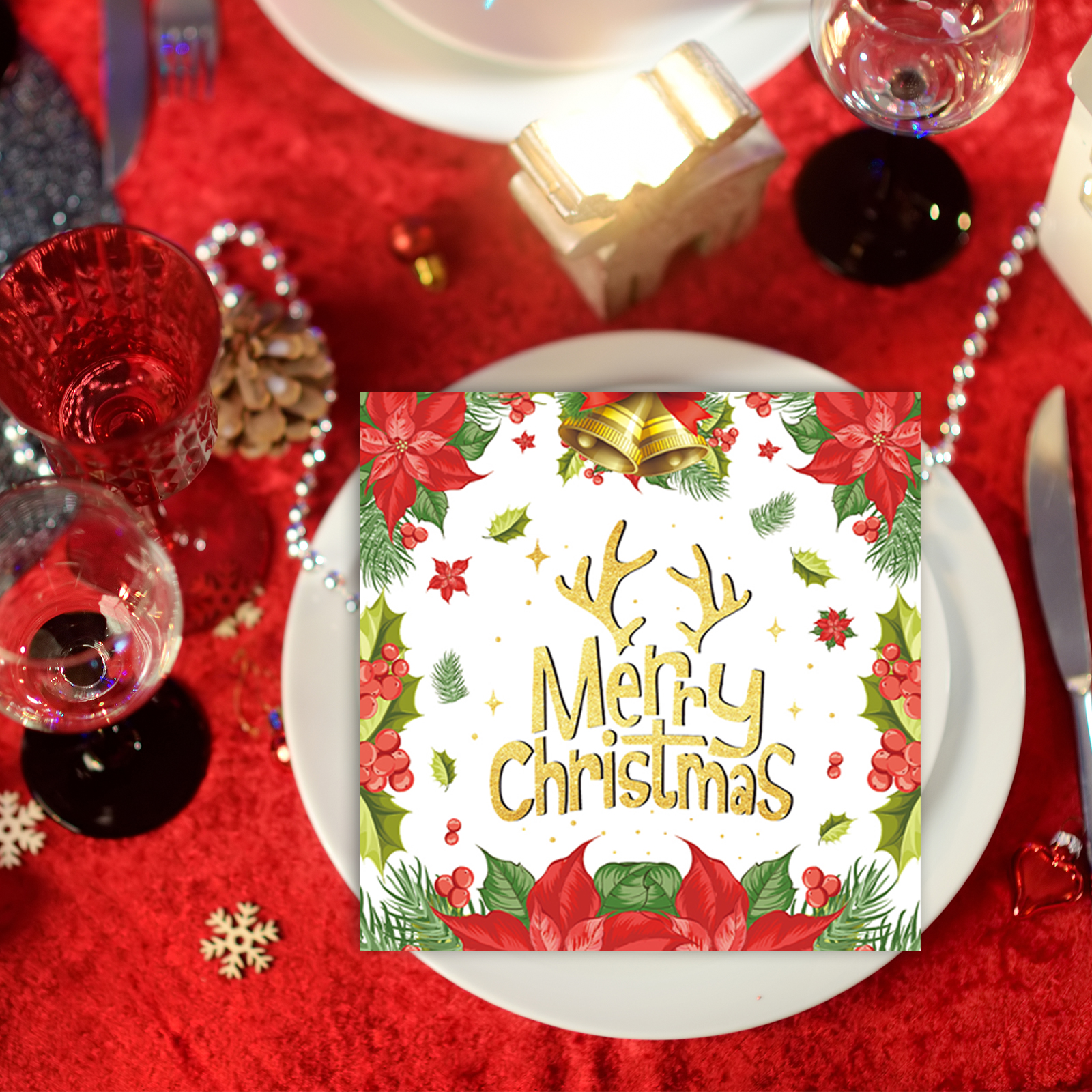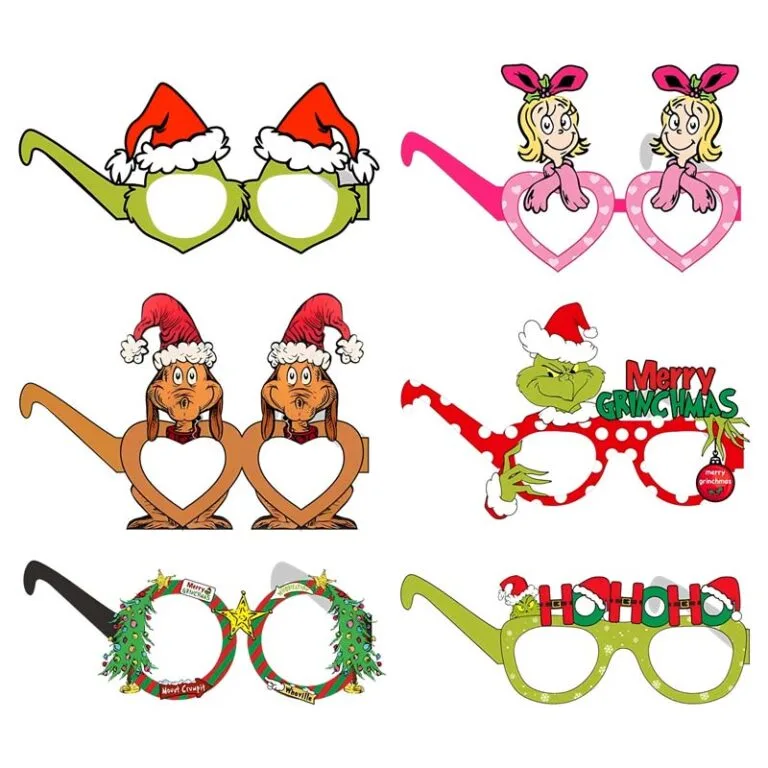
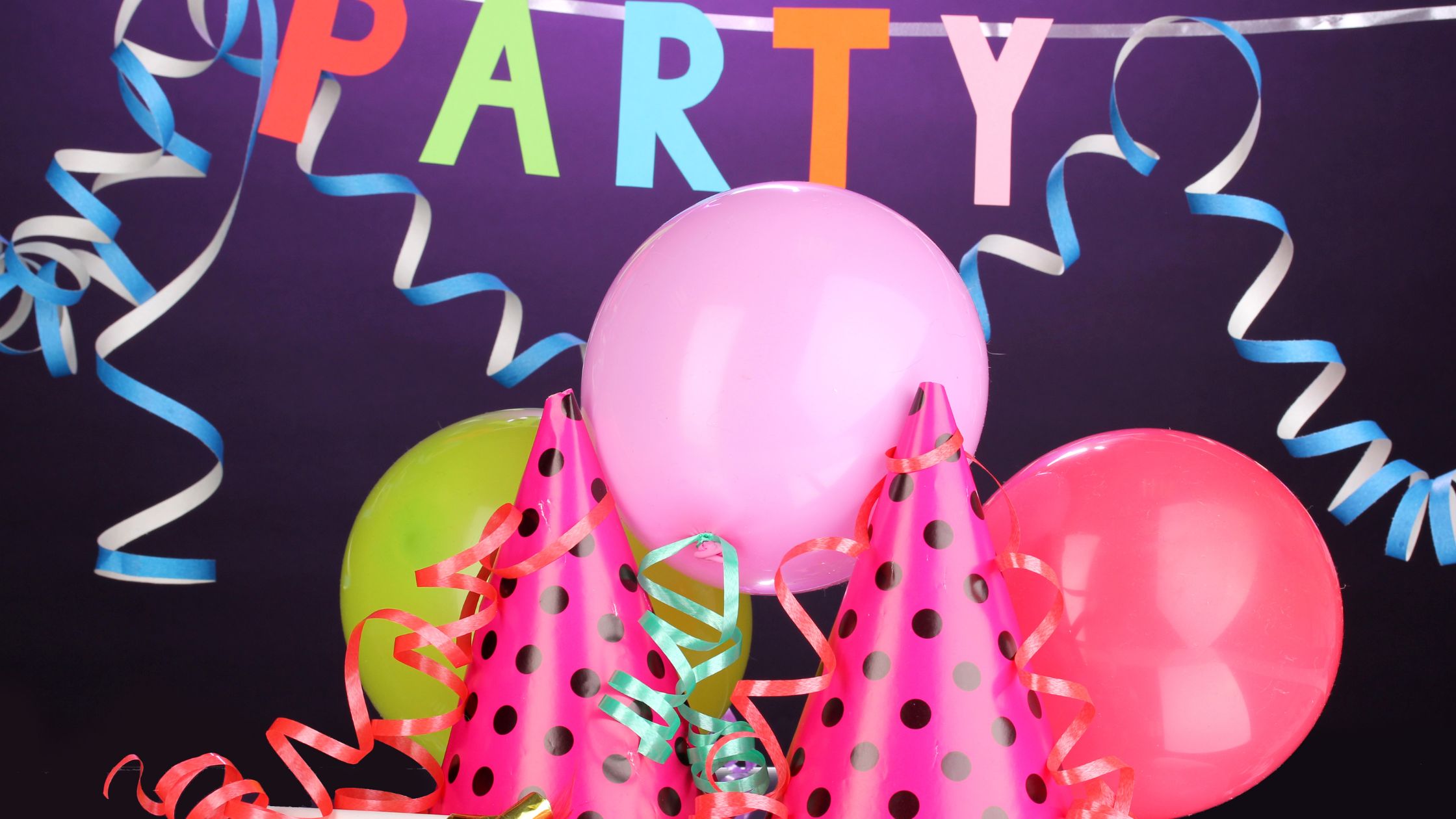
How to Bundle Party Supplies? To sell more party supplies, group matching items into complete themed kits instead of selling them as separate stock-keeping units (SKUs). This isn’t just a merchandising preference; bundled products consistently outperform individual SKUs on nearly every ecommerce metric that matters: most businesses see 20-35% higher average order value from well-designed bundles, conversion rates improve 15-25%, and bundled customers show 2.7x higher lifetime value than single-item buyers. For party supplies specifically, themed kits also solve a real customer problem: matching colors and patterns across every item without the buyer having to piece it together themselves.
Here’s exactly how to choose a theme, select the right core items, price a kit correctly, and package it so the bundle actually converts better than selling the same items separately.
Table of contents
- Why Bundling Outperforms Individual SKUs (The Data)
- Choose a Clear Theme
- Select the Right Core Items
- Price for Profit and Value
- Optimize Your Packaging and Photos
- How to Measure Whether a Kit Is Actua l ly Working
- Applying This to Sourcing Themed Party Kits at Scale
- Where to Read More on Bundling Strategy
- Quick Answer Recap How to Bundle Party Supplies?
Why Bundling Outperforms Individual SKUs (The Data)
| Metric | Impact of Bundling |
| Average order value (AOV) | 20-35% increase on average; up to 55% with intentional, well-targeted bundling |
| Conversion rate | 15-25% improvement; best implementations reach 40% |
| Customer lifetime value | Bundled customers show 2.7x higher lifetime value than single-item buyers |
| Inventory turnover | Bundled products turn over roughly 30% faster than individual items |
| Upsell efficiency | Bundle-based upselling is 68% more effective than customer acquisition spend |
McKinsey research on bundling more broadly found that strategic bundling boosts sales by 20% while simultaneously increasing profits by 30% — a dual benefit that comes from bundling increasing perceived value for the buyer while moving inventory more efficiently for the seller. For party supplies specifically, this dual benefit is especially pronounced, since a themed kit solves a genuine coordination problem (matching colors and patterns across many small items) that a single SKU purchase doesn’t.
Choose a Clear Theme
A themed kit only works if the theme itself is clear and immediately recognizable. Effective party supply kits:
- Focus on popular events like birthdays, baby showers, or graduations, rather than vague or overly niche occasions with uncertain demand.
- Match colors and patterns across every item in the bundle, so the kit reads as a single coordinated look rather than a random assortment of same-category products.
- Appeal to busy buyers who want a matching look instantly, without spending time individually selecting and color-matching a dozen separate SKUs themselves.
Retailers building kits around proven, high-demand occasions can draw directly from established category lines — happy birthday party supplies, baby shower decorations and supplies, and graduation party supplies all have consistent, predictable demand that makes them safer starting points for a first kit than a trend-driven or highly niche theme.
Select the Right Core Items
A well-built kit needs three functional layers, not just a random collection of matching-colored products:
- Tableware: Include plates, napkins, cups, and a table cover — the functional backbone of nearly any party setup, and the category most buyers expect to see included by default.
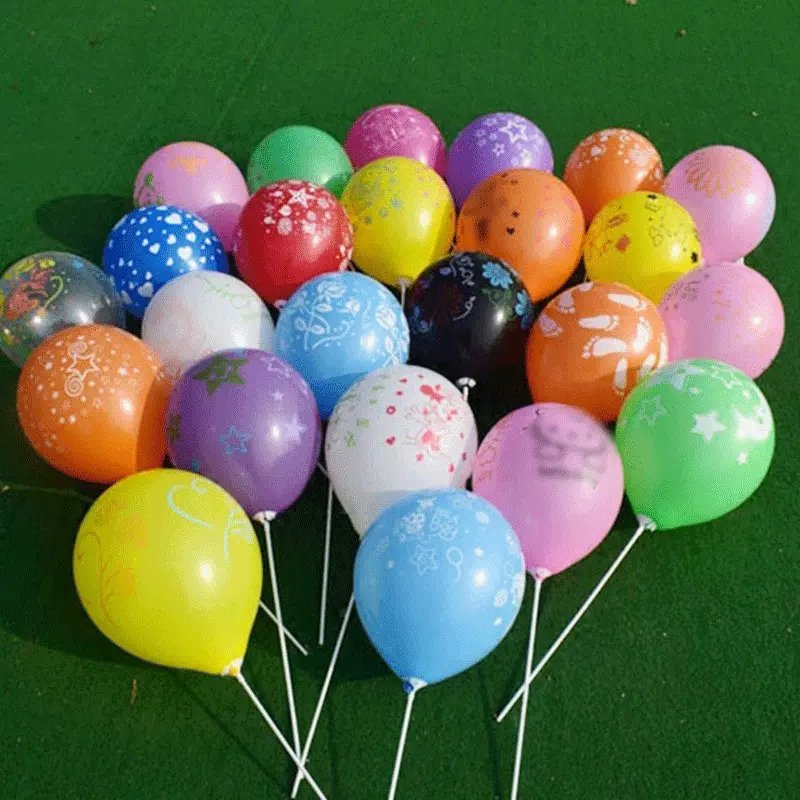
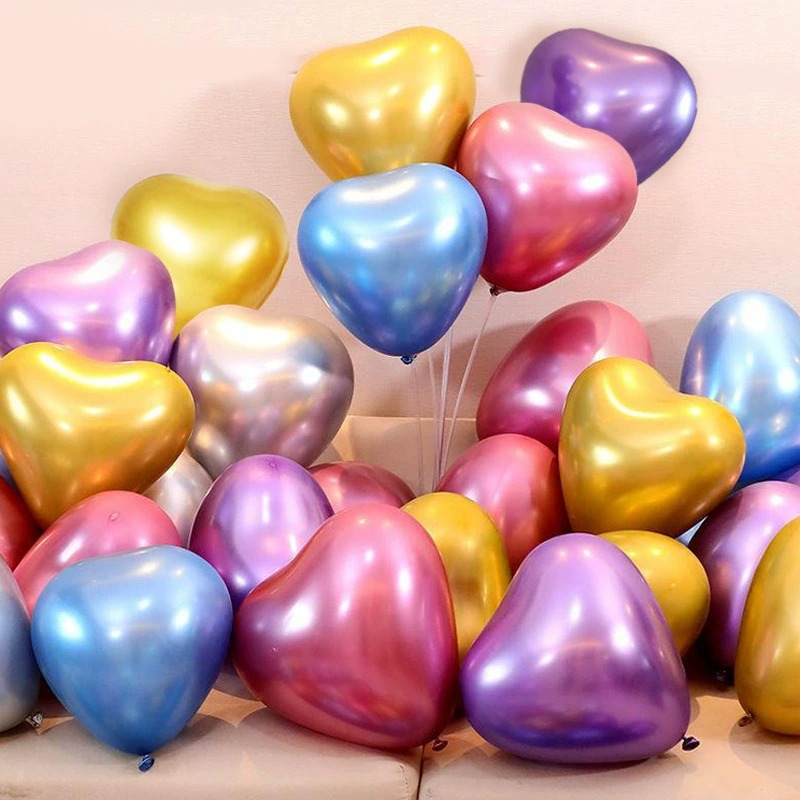
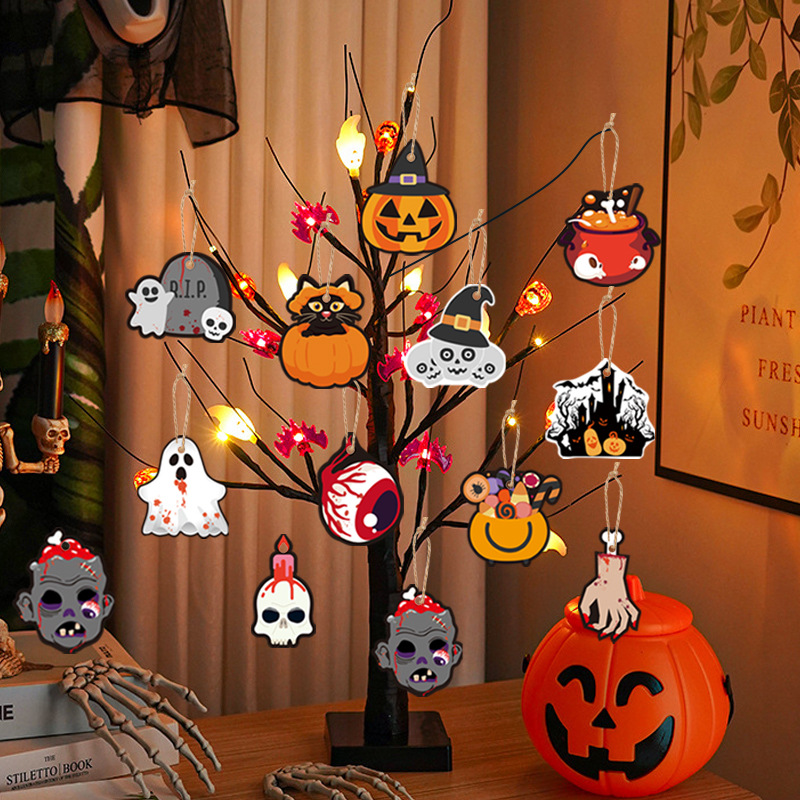
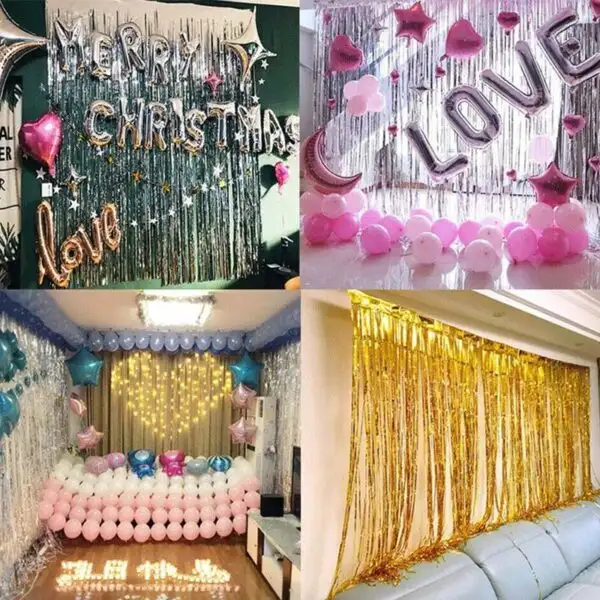
- Decorations: Add a banner, balloons, and hanging swirls — the visual layer that actually creates the “party” atmosphere and is what makes a kit feel complete rather than just a tableware set with extras.
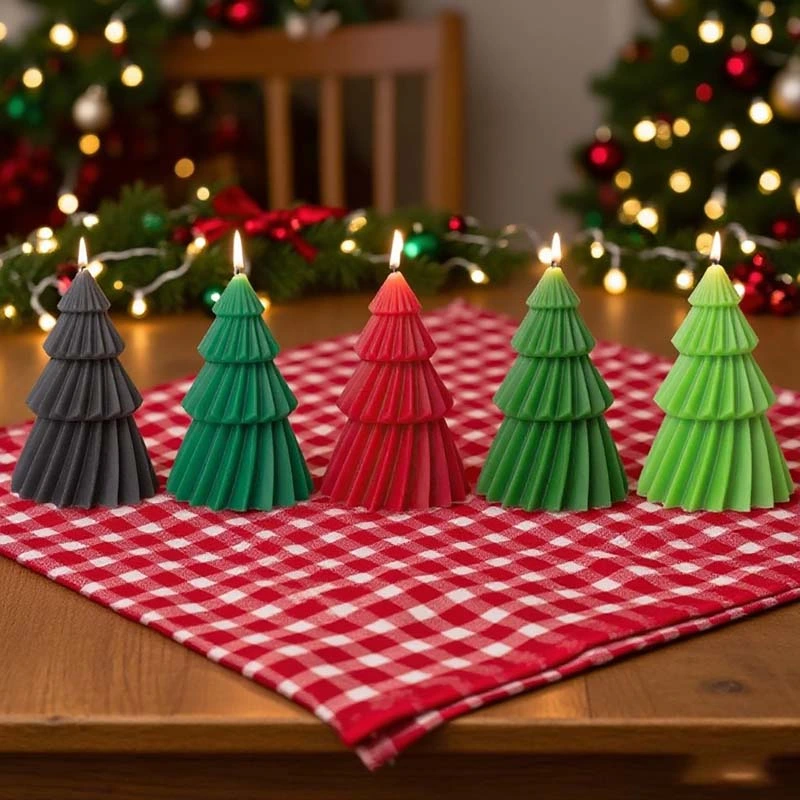
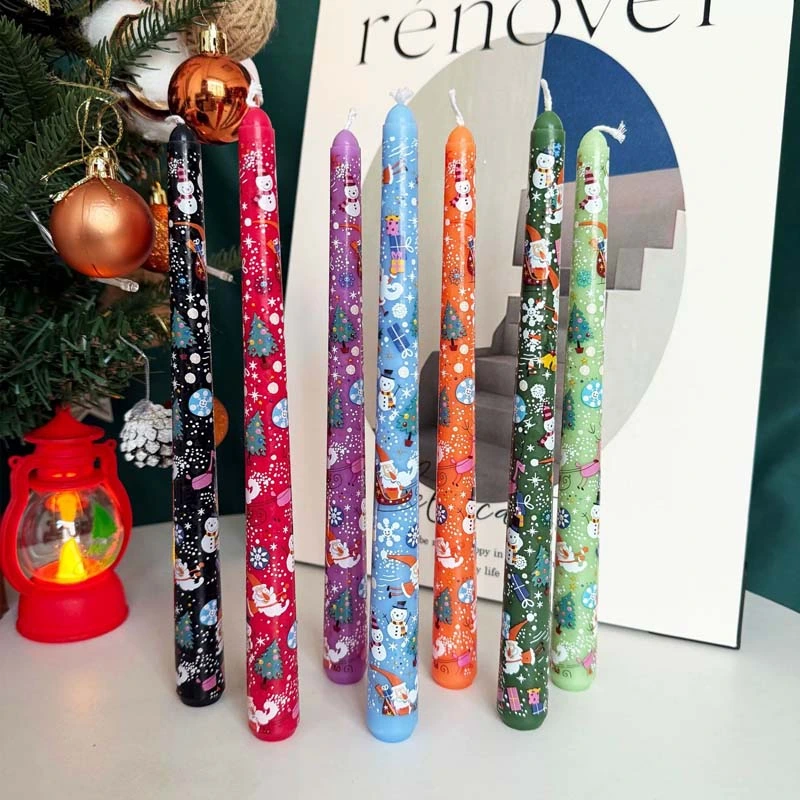
- Extras: Throw in candles, paper straws, or favor bags to add perceived value without significantly increasing the kit’s cost — small, low-cost additions that make the bundle feel more generous than the sum of its individual prices would suggest.
This three-layer structure (tableware, decorations, extras) also maps naturally onto how retailers should think about kit pricing, since the extras layer is where a wholesaler can add genuine perceived value at minimal incremental cost.
Also read – How to Price Wholesale Party Supplies for Retail Resale
Price for Profit and Value
Kit pricing needs to balance genuine buyer savings against protecting margin, and a few principles consistently improve conversion:
- Price the kit lower than buying each item individually. This is the core value proposition of any bundle — if a customer can assemble the same items separately for the same or lower total price, the kit offers no real incentive to buy.
- Keep your profit margin higher by ordering bulk inventory of popular basics. Since tableware and balloons are typically the highest-volume components across every kit theme, bulk-ordering these evergreen basics keeps their per-unit cost low even as the kit’s retail price undercuts buying items separately.
- Show the total savings clearly on your product page. Testing consistently shows that displaying the dollar savings amount — “Save $8” rather than a vague percentage — drives higher conversion than a percentage-only discount, particularly for the smaller dollar amounts typical of party supply kits.
On discount depth specifically, research on bundle psychology suggests discounts below roughly 15% often fail to motivate a bundle purchase over buying items individually, while a 20-30% discount range tends to be the effective range for converting price-sensitive buyers without eroding margin excessively — worth testing directly against your own kit’s cost structure rather than assuming a single universal discount percentage.
Optimize Your Packaging and Photos
How a kit is packaged and photographed directly affects whether a buyer perceives it as a coordinated, premium offering or just a bag of loose items:
- Pack the items in a clear box or a branded bag so the theme is immediately visible without the buyer needing to open the packaging to understand what they’re getting.
- Take bright photos that show the entire setup fully arranged, not just the individual components laid flat — a buyer needs to see what the finished party table or room actually looks like to judge whether the kit fits their event.
- Show a checklist of everything included right on the main image, since this removes any ambiguity about what’s actually in the box and helps the kit compete against a buyer’s instinct to price-compare against individual items.
How to Measure Whether a Kit Is Actually Working
Once a themed kit is live, tracking a few specific metrics tells you whether it’s genuinely converting better than individual SKUs, or just sitting on the page:
- Bundle conversion rate — what percentage of buyers who view the kit page actually purchase it. If views are high but conversion is low, the issue is usually presentation or pricing, not demand.
- Bundle attachment rate — how often the kit gets added to cart alongside individual product views, which indicates whether the kit is being surfaced prominently enough during browsing.
- AOV impact — comparing average order value on orders that include a kit versus orders that don’t, which directly quantifies whether the bundle strategy is delivering the AOV lift the broader data above suggests it should.
Retailers who track these metrics can iterate on underperforming kits — adjusting theme, price, or included items — rather than assuming bundling itself isn’t working when a specific kit configuration is the actual issue.
Applying This to Sourcing Themed Party Kits at Scale
For retailers ready to build a themed kit line rather than assembling one manually from individual SKUs, sourcing pre-coordinated components from a single manufacturer significantly simplifies the process compared to color-matching tableware, decorations, and extras across multiple separate suppliers. Retailers exploring this can review wholesale party decorations and the broader wholesale party supplies catalog for coordinated collections already built around specific occasions and color palettes.
Retailers wanting to go a step further — building an exclusive, private-label kit rather than reselling a generic assortment — can review wholesale party supplies manufacturers’ guidance for how OEM and ODM programs support custom kit development, bundling tableware, decorations, and branded packaging into a single coordinated SKU under a retailer’s own brand. Retailers newer to structuring this kind of bundled offering can also review wholesale party supplies for business owners and wholesale party supplies for resale guidance for sequencing a first kit launch.
Where to Read More on Bundling Strategy
Two resources worth reviewing for a deeper, category-agnostic breakdown of bundling data and strategy:
- Swell’s roundup of physical product bundling statistics covers the full data set behind the AOV, conversion, and retention figures referenced above, along with category-specific bundling benchmarks.
- Ringly’s guide to increasing average order value through bundling covers practical bundle-naming and pairing strategies — including why outcome-based names like “Starter Kit” or “Complete Setup” outperform generic SKU-based bundle names.
Quick Answer Recap How to Bundle Party Supplies?
Themed party supply kits consistently outperform individual SKUs — delivering 20-35% higher average order value, 15-25% better conversion rates, and 2.7x higher customer lifetime value on average. Building an effective kit means choosing a clear, popular theme with matched colors and patterns, including a full tableware-plus-decorations-plus-extras assortment rather than a partial selection, pricing the kit below the sum of its individual items with the dollar savings clearly displayed, and packaging and photographing it so the coordinated look is obvious before a buyer even opens the box. Tracking bundle conversion rate, attachment rate, and AOV impact after launch lets retailers iterate on underperforming kits rather than assuming bundling itself isn’t working.