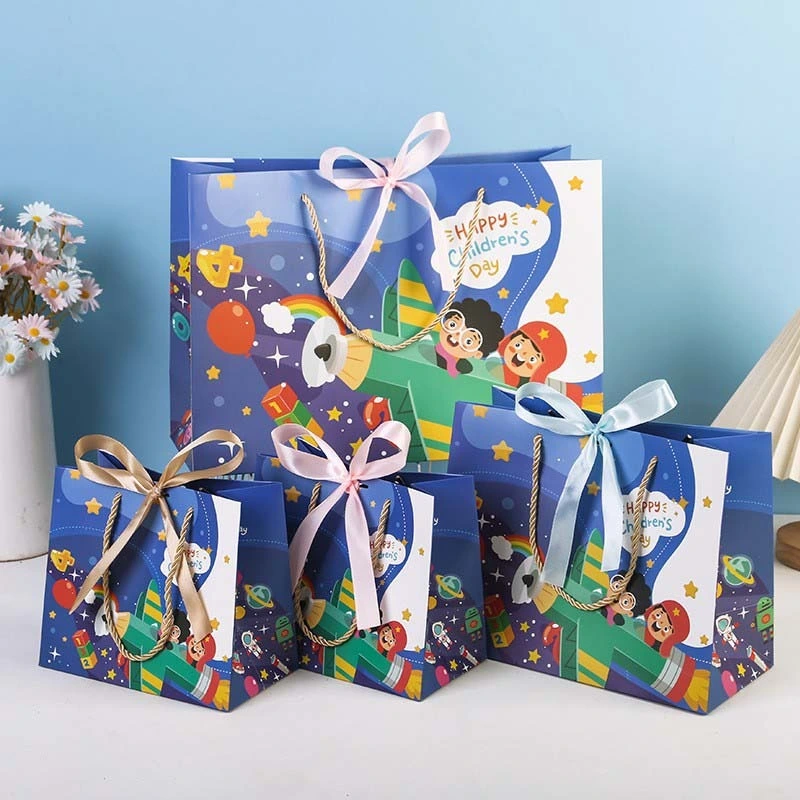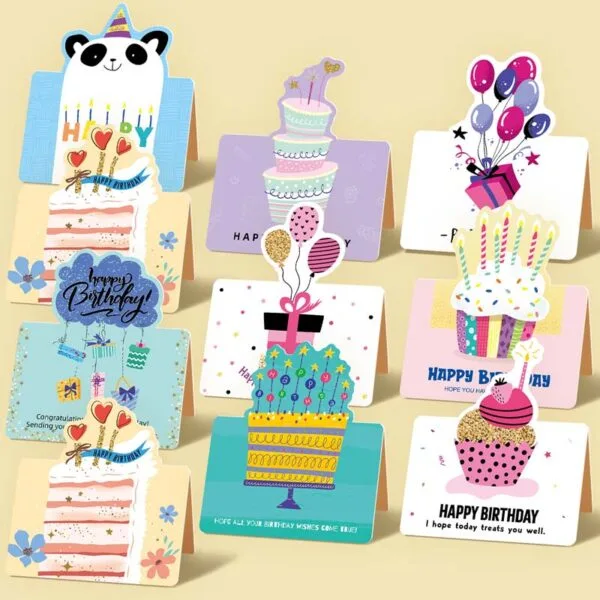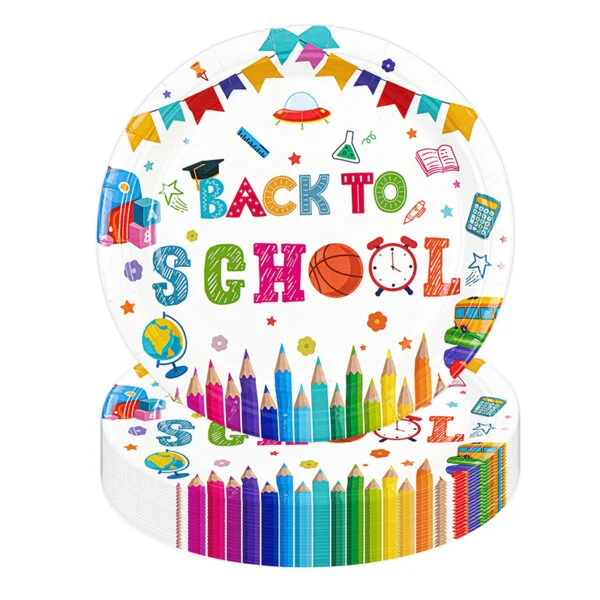

Party Supplies Sell Best for Retailers: Balloons and tableware are the two best-selling wholesale party supply categories, together accounting for roughly half of global unit volume, followed by decorations/home décor, banners, and licensed character merchandise. Birthdays drive the largest share of overall demand, and paper-based, sustainable products are the fastest-growing material category.
This isn’t guesswork; it’s based on current market research data across multiple industry reports. Below is a full breakdown of what sells, why, and how retailers should think about stocking each category.
Table of contents
Which Party Supply Categories Sell Best Overall?
| Category | Approx. Market Share | Growth Trend |
| Balloons | 11.7%–30% (varies by market/report) | Steady, boosted by balloon arches and personalization |
| Tableware/Disposables | 25%–28.4% | Fastest-growing due to paper/sustainable shift |
| Home Décor | 14%–20% | Growing with themed and destination events |
| Banners & Party Kits | Part of combined 30% (with games, piñatas) | Rising with bundled “thematic kits” |
| Licensed Character Products | Subsegment of tableware/balloons | ~33% demand growth reported |
Multiple market research firms report slightly different exact percentages depending on methodology and year, but the ranking is consistent across nearly every source: balloons and tableware are the two anchor categories every wholesale retailer should stock deeply, with decorations and themed/licensed products as the differentiation layer on top.
1. Balloons — The Category Every Report Ranks in the Top Two
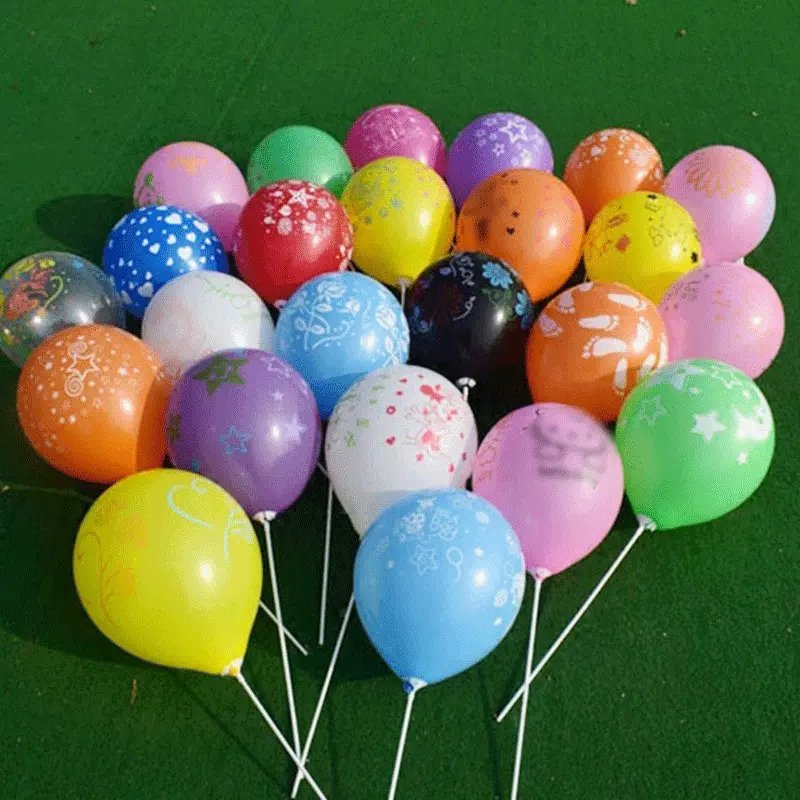
Balloons consistently rank as either the largest or second-largest product segment in the party supplies market. One industry report puts balloons at 11.7% of the product segment market share in 2025, driven by demand for themed decoration such as foil and latex balloons. Another report focused on the US market found balloons hold roughly 30% of domestic unit purchases in the United States, followed closely by disposable tableware at about 25% of category share.
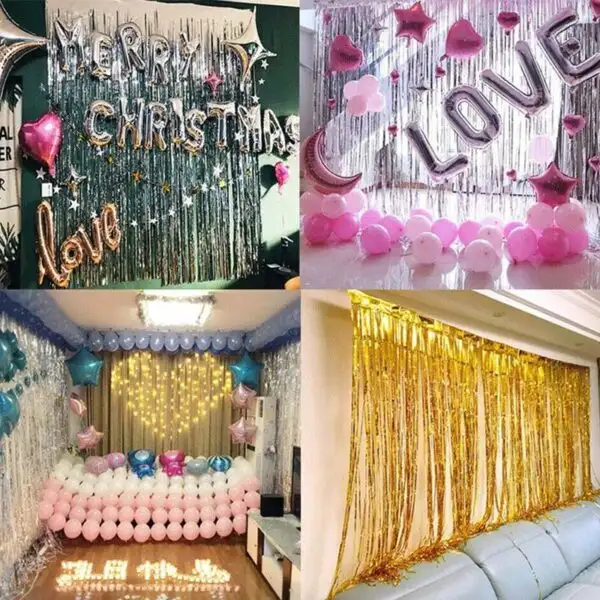
What’s driving this: balloon arches, garlands, and helium-filled options are increasingly popular for birthday parties, weddings, and business events, with social media energizing more creative balloon designs. For retailers, this means stocking beyond basic round latex — arch kits, garland strips, and foil letter/number balloons now drive a meaningful share of repeat orders, not just single-balloon sales.
Retailers sourcing this category directly from manufacturers often work with dedicated latex balloon manufacturers in China or foil balloon suppliers in China, since balloon production quality (burst resistance, colorfastness, biodegradability claims) varies significantly enough between factories that it’s worth sourcing this category separately from general party goods.
Also read – How Do Retailers Find New Wholesale Party Supplies Suppliers
2. Tableware & Disposables — The Fastest-Growing Segment
Tableware is either the largest or second-largest category depending on the report, and multiple sources agree it’s the fastest-growing in terms of unit volume. One analysis found tableware commanded the largest share of the global party supplies market in 2025, accounting for $4.21 billion or 28.4% of total revenues, and noted that consumer appetite for themed tableware sets that coordinate with balloons, banners, and decor has driven significant product innovation, with manufacturers offering hundreds of design variations.
Sustainability is reshaping this category specifically. The paper-based sub-segment leads the material category with approximately 35.5% market share, driven by rising environmental concerns and regulatory pressure to reduce plastic waste. Retailers stocking tableware in 2026 should treat compostable and paper-based lines as a baseline expectation, not a premium add-on; customers increasingly ask for it by default.
For retailers building out a broad tableware and linens assortment, a tablecloth manufacturer in China is often a separate sourcing relationship from paper plates and cups, since textile production runs on different minimums and lead times than paper goods.
3. Home Décor & Themed Decorations
Home décor and themed decorations form a large and growing category, particularly for destination and milestone events. One report found the home décor segment dominated the market with a revenue share of over 14% in 2021, and destination-event demand appears to be accelerating that further — a 2025 survey found around 73.33% of consumers had attended or planned a destination wedding in the past year, a trend that pulls decor spending toward higher-end, more elaborate product lines.
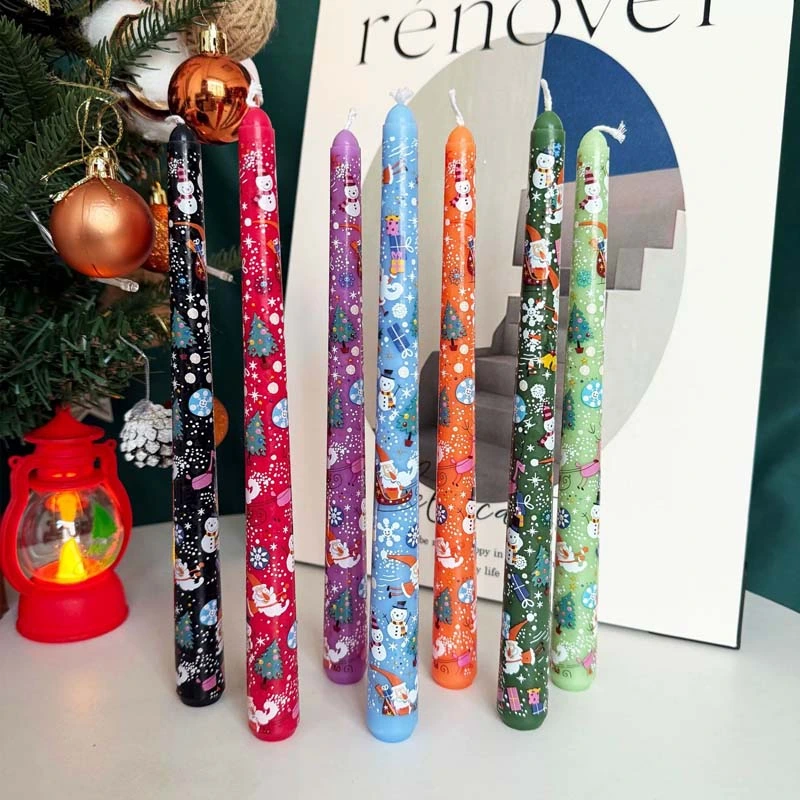
This category overlaps heavily with seasonal buying. Retailers stocking Christmas decorations, Halloween supplies, or year-round category-specific decor should treat décor as the category most sensitive to lead-time planning, since elaborate installations (balloon walls, backdrop arrangements, lighting) require longer production windows than basic tableware.
4. Banners, Party Kits, and Bundled Sets
Bundled “thematic kits” — pre-packaged sets combining banners, balloons, tableware, and décor for a single occasion — are a rising sales pattern retailers should watch closely. One report found a 39% increase in purchases of thematic kits that bundle complementary items such as banners, balloons, themed décor, and tableware, with professional event planners increasingly ordering complete sets rather than individual components.
For wholesale buyers, this is a practical merchandising signal: instead of stocking loose SKUs across categories, bundling a “core kit” (plates, cups, napkins, a banner, and basic balloons) into a single reorderable unit reduces picking complexity and tends to match how commercial buyers actually want to purchase.
5. Licensed Character and Themed Products
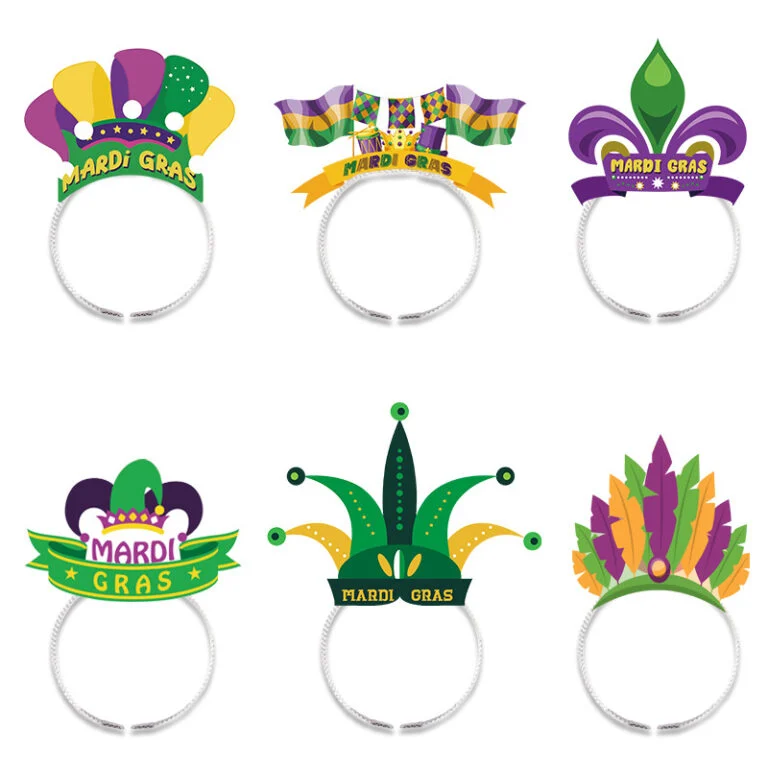
Licensed character merchandise is a smaller but fast-growing subsegment worth stocking selectively. Demand for licensed items has grown noticeably; licensed character merchandise from popular entertainment franchises has seen around 33% demand growth, directly impacting category segmentation for items like themed balloons and tableware in children’s events.
This category carries more risk than generic tableware or balloons since licensing agreements limit which manufacturers retailers can legally source from, and inventory can become obsolete quickly once a themed trend fades. Retailers newer to wholesale buying often start with non-licensed, evergreen designs through resources built for wholesale party supplies for business owners before adding licensed lines once sales volume justifies the added sourcing complexity.
Which Occasion Drives the Most Demand?
Party type matters as much as product category when deciding what to stock. The birthdays segment exhibited a leading global market share of 44.63% in 2026, driven by the fact that birthdays occur year-round rather than being tied to a single seasonal window, unlike holiday-specific occasions.
That said, seasonal spikes matter disproportionately for revenue concentration. Balloons and tableware have the widest selling windows across the calendar. In contrast, themed novelty items have the narrowest, meaning retailers get the most consistent year-round reorder volume from balloons and tableware. At the same time, seasonal décor categories (like 4th of July or Christmas party supplies) generate concentrated bursts of high-margin sales in short windows.
How Should Retailers Split Their Wholesale Budget by Category?
Based on the market share data above, here’s a practical allocation framework for retailers building a new wholesale order:
- 40–50% on balloons and tableware — these are the highest-volume, most consistently reordered categories across nearly every report, and should form the backbone of any wholesale order.
- 20–25% on décor and themed decorations — allocate more heavily here ahead of peak seasons (Halloween, Christmas, graduation) and less during off-peak months.
- 15–20% on bundled kits and banners — increasingly requested as complete sets rather than individual items, especially by event planners and commercial buyers.
- 10–15% on licensed or trend-driven products — treat this as the experimental portion of the order, since these SKUs carry higher obsolescence risk if a licensed theme or trend fades faster than expected.
This isn’t a rigid formula; a retailer serving mostly event planners will weight bundled kits higher, while one serving hotels running recurring corporate events may weight décor and tableware higher and skip licensed products almost entirely.
What’s Changing in Demand for 2026?
A few shifts are worth factoring into wholesale buying decisions this year:
- Sustainability is now a baseline expectation, not a differentiator. Paper-based tableware already holds over a third of material market share, and buyers increasingly ask for verifiable compostability documentation before placing bulk orders.
- E-commerce is growing faster than any other distribution channel, which affects packaging decisions; retailers selling online need shelf-stable, ship-safe packaging in addition to in-store display packaging.
- Bundled kits are outpacing individual SKU sales, particularly among commercial and event-planning buyers who want fewer purchase decisions per event.
Retailers can track these shifts in more depth through resources like the wholesale party supplies market global trends report, which is useful context when negotiating new product lines with a supplier.
Where Can Retailers See Current Bulk Pricing on Top Sellers?
For retailers wanting a pricing benchmark on the categories above before negotiating with a supplier, browsing an established catalog — such as PartySparkz’s wholesale party supplies or wholesale party decorations range- gives a useful sense of what fair per-unit bulk pricing looks like across balloons, tableware, and décor before sourcing elsewhere.
Quick Answer Recap
Balloons and tableware remain the two best-selling wholesale party supply categories, together making up close to half of global unit volume, with home décor, bundled kits, and licensed products layered on top as differentiation and seasonal revenue drivers. Birthdays generate the largest overall share of demand since they occur year-round, while seasonal occasions produce concentrated, higher-margin bursts of sales. Retailers building a wholesale order should weight the majority of their budget toward balloons and tableware, then adjust décor and licensed product allocation based on their specific customer base and the season ahead.