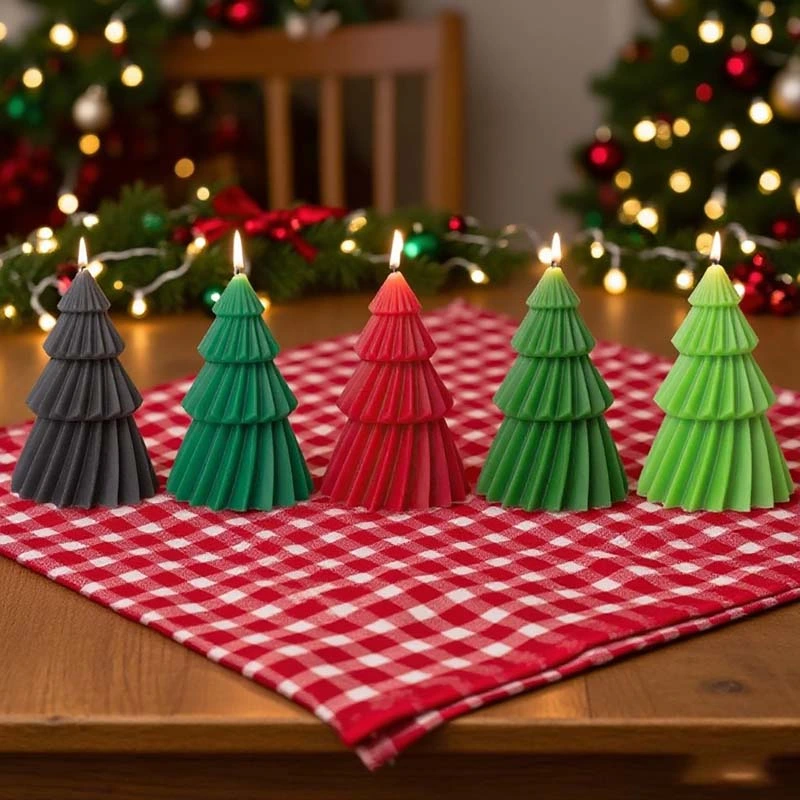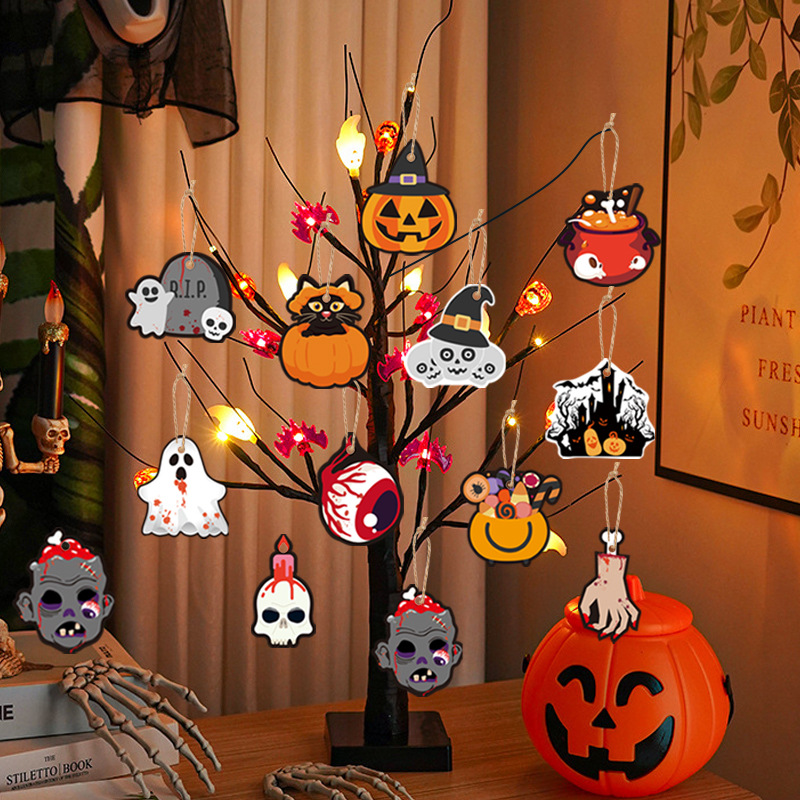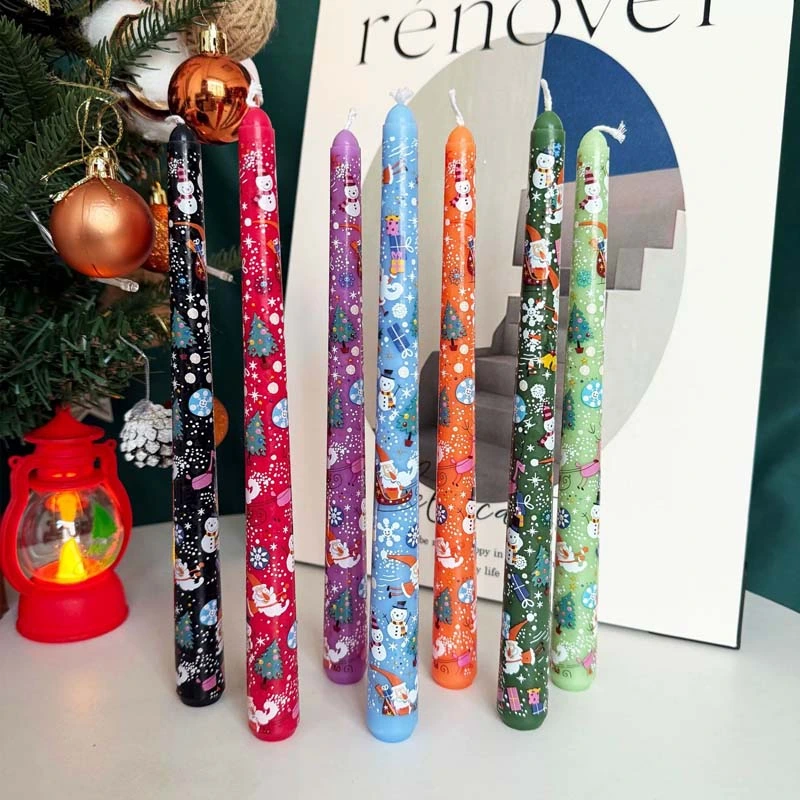

Retailers find new wholesale party supplies suppliers through five main channels: B2B marketplaces (Faire, Alibaba, Wholesale Central), industry trade shows, wholesale directories, manufacturer direct outreach, and referrals through retailer networks or trade associations. The right channel depends on order volume, budget, and how fast a retailer needs inventory.
Sourcing the right supplier is one of the highest-stakes decisions a party supplies retailer makes, since it affects margins, product quality, and how reliably inventory shows up before peak seasons like Halloween, Christmas, or graduation. This guide breaks down each sourcing method in detail, what it actually costs and takes, how to vet a supplier before placing a first order, and what’s changing in the wholesale party supplies space in 2026.
Table of contents
- What Are the Main Ways to Find Wholesale Party Supplies Suppliers?
- How Do Sourcing Needs Differ by Retailer Type?
- How Should Retailers Vet a New Wholesale Supplier?
- What Are Red Flags When Sourcing Party Supplies Wholesale?
- How Does Sourcing Differ Across Regions?
- What’s Changing in Wholesale Party Supplies Sourcing in 2026?
- Where Can Retailers Find Curated Supplier Lists?
- Quick Answer Recap
What Are the Main Ways to Find Wholesale Party Supplies Suppliers?
| Method | Best For | Typical MOQ | Lead Time |
| B2B marketplaces (Faire, Abound, Alibaba) | New or small retailers testing products | $50–$300 | 3–14 days |
| Trade shows (ASD Market Week, Christmasworld) | Bulk buyers, seasonal planning | Varies by vendor | 30–90 days |
| Wholesale directories (Wholesale Central, ThomasNet) | Finding niche or regional suppliers | Varies | Varies |
| Direct manufacturer outreach | Large, recurring orders | 500+ units | 30–60 days |
| Trade associations & retailer networks | Vetted referrals | N/A | Varies |
1. B2B Wholesale Marketplaces
Platforms like Faire, Abound, and Alibaba connect retailers directly with vendors and let buyers compare pricing, MOQs, and reviews in one place. Faire specifically caters to US and Canadian small-batch and boutique brands, often with net-60 payment terms and free returns on first orders, useful for retailers testing a new party supplies category without heavy upfront risk.
Alibaba is better suited for retailers who want direct-from-China manufacturing at high volume, but requires more due diligence since supplier quality varies significantly. Retailers sourcing balloons specifically often work with dedicated latex balloon manufacturers in China or foil balloon suppliers in China, since balloon production is a specialized category with its own quality and safety standards separate from general party goods.
The tradeoff with overseas marketplaces is almost always lead time versus cost; a retailer paying rock-bottom per-unit pricing from an unfamiliar factory needs to budget extra weeks for shipping and customs clearance, which can be risky for time-sensitive seasonal stock.
2. Trade Shows
Trade shows let retailers see and touch product before ordering, negotiate pricing face-to-face, and build a real relationship with the supplier’s sales team. For party supplies specifically, ASD Market Week (Las Vegas, twice yearly) and Total Home & Gift Show are two of the largest US venues where party goods vendors exhibit alongside gift and novelty suppliers.
The tradeoff: trade shows require travel budget and typically 30-90 day lead times before product ships, so they suit retailers planning for a season. A retailer stocking up for Halloween or Christmas decorations, for example, usually needs to place orders with trade show vendors 3-6 months before the season starts to account for both production and shipping.
3. Wholesale Directories
Directories like Wholesale Central and ThomasNet list verified suppliers by category and let retailers filter by product type, MOQ, and location. These are useful when a retailer already knows exactly what product line they want and needs to compare multiple suppliers quickly rather than browsing broadly.
Directories work especially well for narrow product categories; for instance, a retailer specifically looking for a tablecloth manufacturer in China can filter directory listings down to textile and linen suppliers rather than sorting through general party goods vendors.
4. Direct Manufacturer Outreach
For retailers placing large, recurring orders, going straight to the manufacturer, skipping distributors entirely, usually gets the lowest per-unit cost. This works best once a retailer has sales history and can commit to consistent order volume, since manufacturers typically require 500+ unit MOQs and 30-60 day production lead times.
This approach is common among retailers who source from wholesale party supplies manufacturers directly rather than through a middleman distributor, since cutting out the distributor layer can meaningfully improve margins on high-volume SKUs like balloons, tableware, and decorations.
5. Trade Associations and Retailer Networks
Organizations such as the Halloween & Costume Association or regional gift/party retailer associations often maintain vetted supplier lists and host networking events where retailers can get direct vendor referrals. A referral from another retailer carries more weight than a cold directory listing, since it comes with real performance history: did the supplier ship on time, was the product quality consistent, did they handle a damaged shipment fairly?
How Do Sourcing Needs Differ by Retailer Type?
Not every party supplies buyer sources the same way. The right channel often depends on who’s actually buying:
- Small business owners and independent shops typically start with B2B marketplaces for lower MOQs and manageable upfront cash outlay, since they need to test which products sell before committing to bulk orders. Resources built for wholesale party supplies for business owners often walk through exactly this kind of low-risk entry point.
- Retailers reselling at scale usually move toward direct manufacturer relationships once sales volume justifies higher MOQs, since the per-unit savings compound quickly. Guides on wholesale party supplies for resale or wholesale party supplies for retailers tend to focus on this margin-driven sourcing logic.
- Event planners often need a wider mix of decor, tableware, and themed products in smaller, faster-turnaround batches, which makes marketplaces or regional distributors a better fit than overseas manufacturers. Sourcing guidance built specifically for wholesale party supplies for event planners reflects this need for speed over rock-bottom pricing.
- Hotels and hospitality businesses ordering for recurring events (weddings, conferences, holiday parties) tend to prioritize consistent quality and reliable reorder timelines over the lowest possible unit price, since a damaged or late shipment affects a paying guest’s event. Resources on wholesale party supplies for hotels usually emphasize this reliability-first approach.
How Should Retailers Vet a New Wholesale Supplier?
Before placing a first order, check these five things:
- Business licensing and registration — Ask for a business license or resale certificate; legitimate wholesalers will provide this without hesitation.
- Sample order first — Order a small sample batch before committing to a bulk order, even if it costs slightly more per unit.
- Payment terms — Reputable suppliers offer net-30 or net-60 terms to established retailers; a supplier demanding full payment upfront by wire transfer only is a common red flag.
- Reviews and references — Check third-party review sites (Trustpilot, BBB) and ask the supplier for two current retailer references.
- Return and defect policy — Confirm in writing what happens if a percentage of the shipment arrives damaged or defective — this is one of the most common disputes in bulk party supply orders.
It’s worth noting that vetting standards should flex slightly depending on region. A retailer sourcing from wholesale party supplies USA suppliers can typically verify licensing through public state registries in a few minutes, while vetting a China wholesale party supplies manufacturer usually requires third-party inspection services or platform-verified badges, since domestic registry checks aren’t an option.
What Are Red Flags When Sourcing Party Supplies Wholesale?
- No physical business address or verifiable phone number
- Prices significantly below every other supplier for identical product (often signals counterfeit or unsafe materials)
- Refusal to provide samples before a bulk order
- No clear MOQ or pricing tiers listed anywhere
- Pressure to pay via untraceable methods (wire transfer only, no invoice)
How Does Sourcing Differ Across Regions?
Wholesale sourcing isn’t a one-size-fits-all process globally. Retailers based in different markets tend to run into different supplier landscapes:
- In the US, retailers sourcing wholesale party supplies USA-based suppliers benefit from shorter shipping times and easier returns, but usually pay a premium over overseas manufacturing.
- In the UK, buyers looking at wholesale party supplies UK suppliers often deal with VAT and import duty considerations that don’t apply to domestic US sourcing, which changes the total landed cost calculation.
- In Australia, retailers researching wholesale party supplies Australia options frequently face longer shipping windows from both US and Chinese suppliers, making local or regional distributors more attractive despite higher per-unit costs.
- For high-volume manufacturing regardless of region, many retailers eventually route back to China wholesale party supplies manufacturers, since production capacity and cost efficiency at scale are difficult to match elsewhere — provided proper vetting is done first.
What’s Changing in Wholesale Party Supplies Sourcing in 2026?
Two shifts are reshaping how retailers source in 2026:
- AI-assisted sourcing tools are now built into platforms like Alibaba and Faire, surfacing supplier matches based on a retailer’s past purchase history and flagging suppliers with inconsistent fulfillment records.
- Sustainability documentation — retailers are increasingly asked by their own customers about biodegradable balloons, FSC-certified paper goods, and recyclable packaging, so more wholesalers now list compliance certifications directly on their product pages rather than requiring a separate request.
Retailers can also track broader shifts in buyer demand and category growth through resources like the wholesale party supplies market global trends report, which is useful for anticipating which product categories to prioritize when negotiating with new suppliers.
Where Can Retailers Find Curated Supplier Lists?
For retailers who don’t want to build a supplier list from scratch, a few curated resources can shortcut the research phase:
- A roundup like top wholesale party supply manufacturers can serve as a starting shortlist before doing deeper vetting on any single supplier.
- Retailers specifically comparing US-based options may find a breakdown like best party suppliers in USA or wholesale party supplier in USA useful for narrowing the field before reaching out.
- For overseas manufacturing specifically, a guide like best party supply manufacturer in China can help retailers compare factory-direct options side by side.
If price comparison shopping across a broad catalog is the priority rather than manufacturer-direct sourcing, browsing an established supplier’s wholesale party supplies catalog such as PartySparkz’s own range of decorations, balloons, and tableware can also give retailers a useful benchmark for what fair bulk pricing looks like before negotiating elsewhere.
Quick Answer Recap
Retailers looking for new wholesale party supplies suppliers in 2026 have the most success combining two channels: a B2B marketplace (Faire or Alibaba) for fast, low-risk product testing, and a trade show or association referral for building long-term, higher-volume supplier relationships. Vetting through samples, licensing checks, and clear payment terms remains the single biggest factor in avoiding a bad first order, and regional considerations, whether sourcing domestically or from overseas manufacturers, should shape both the vetting process and the total cost comparison.