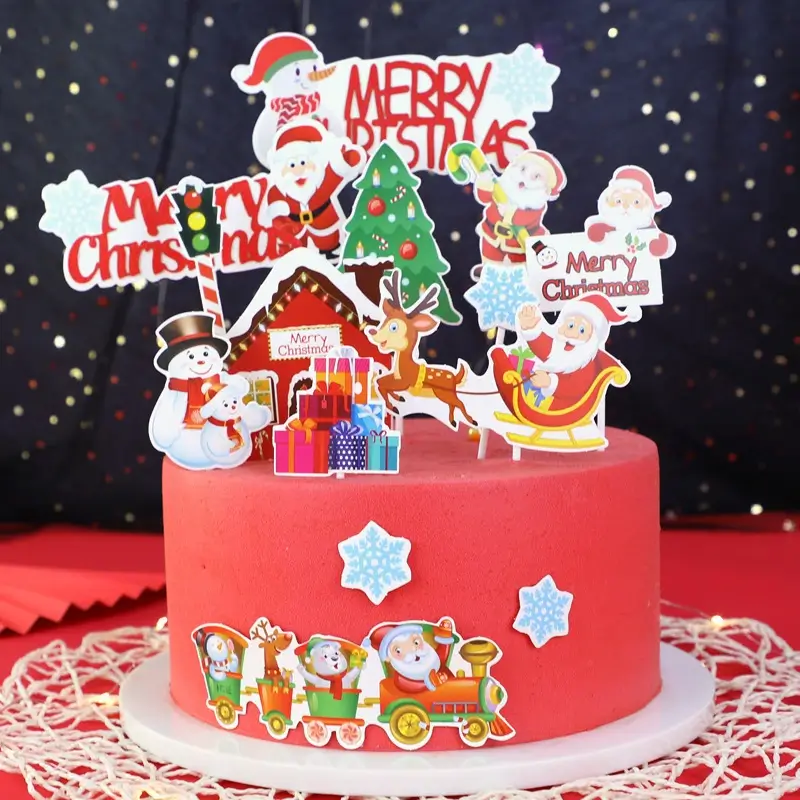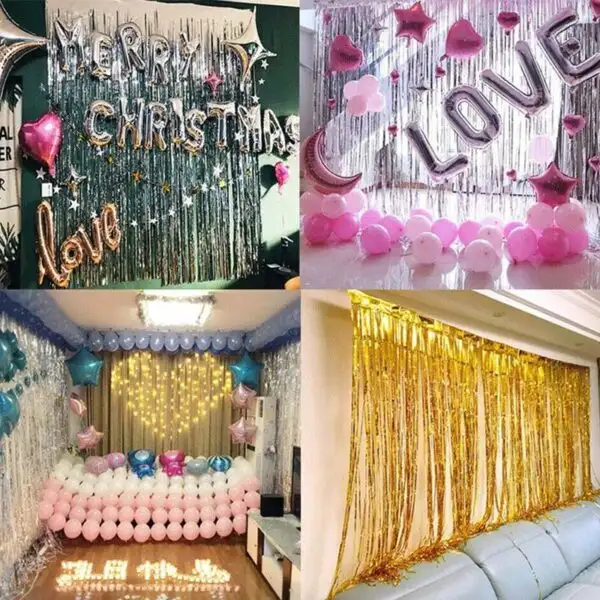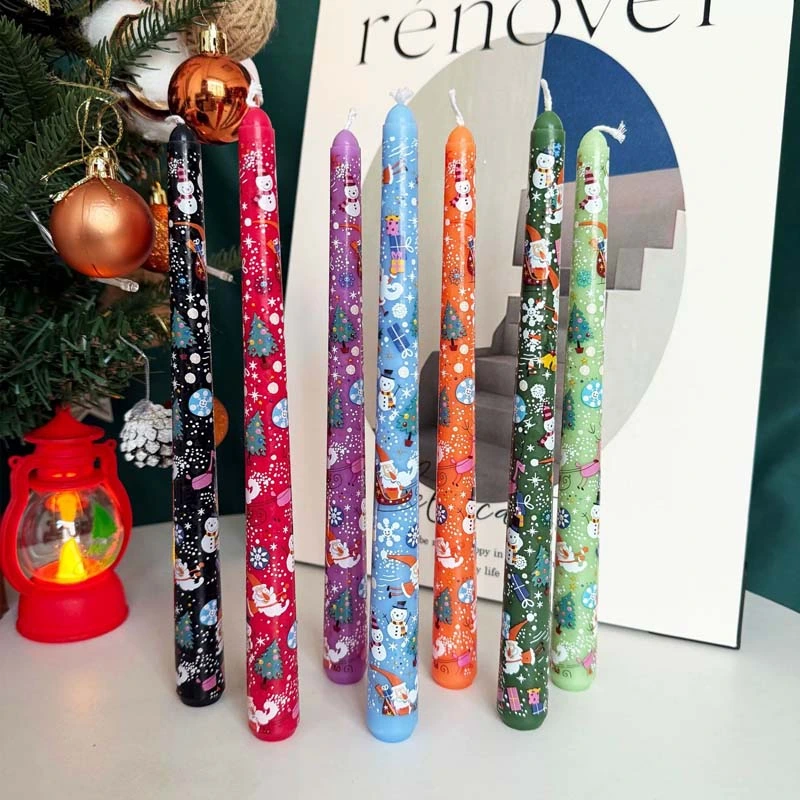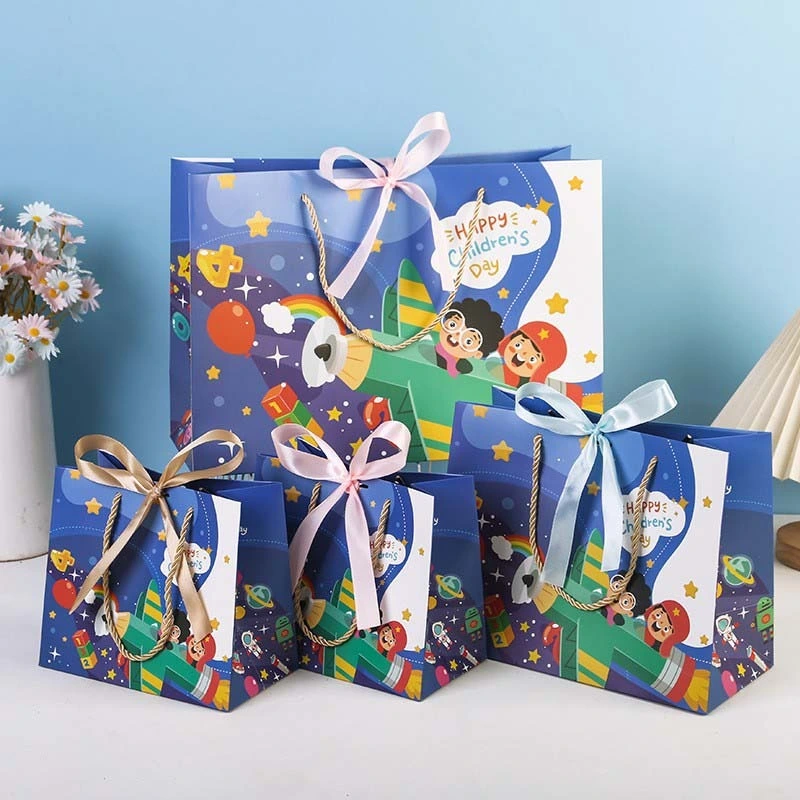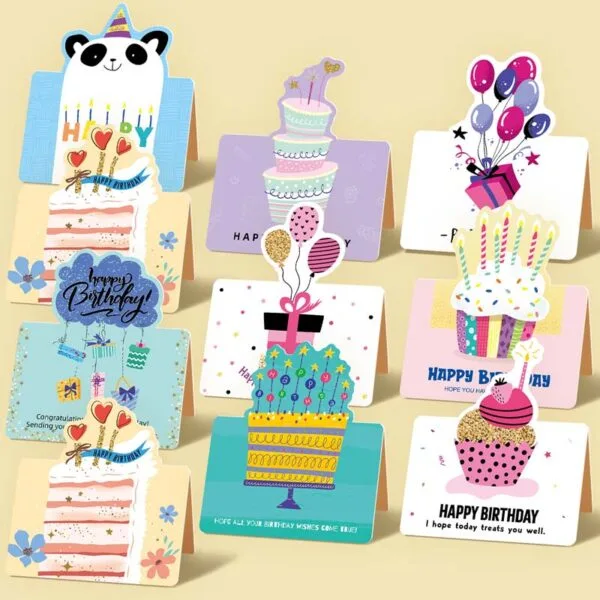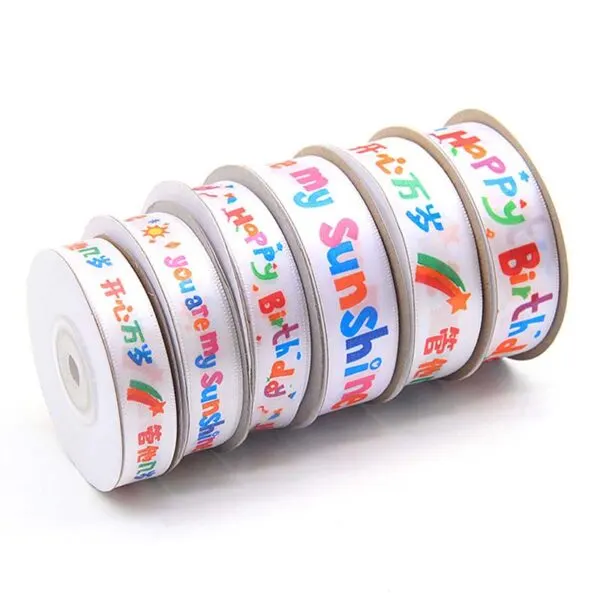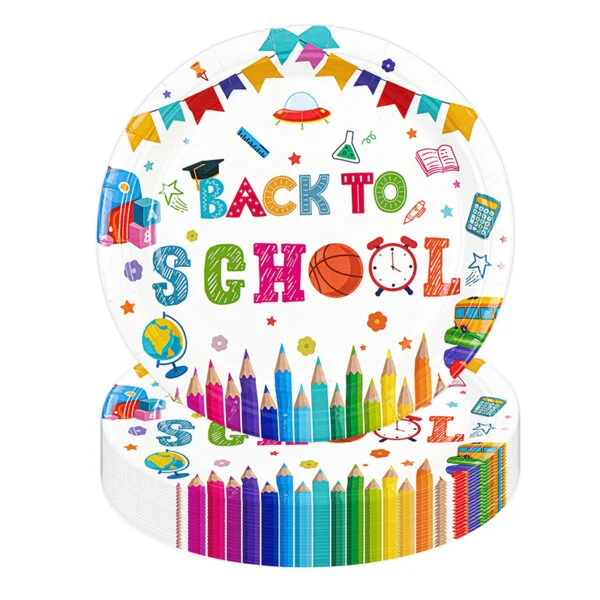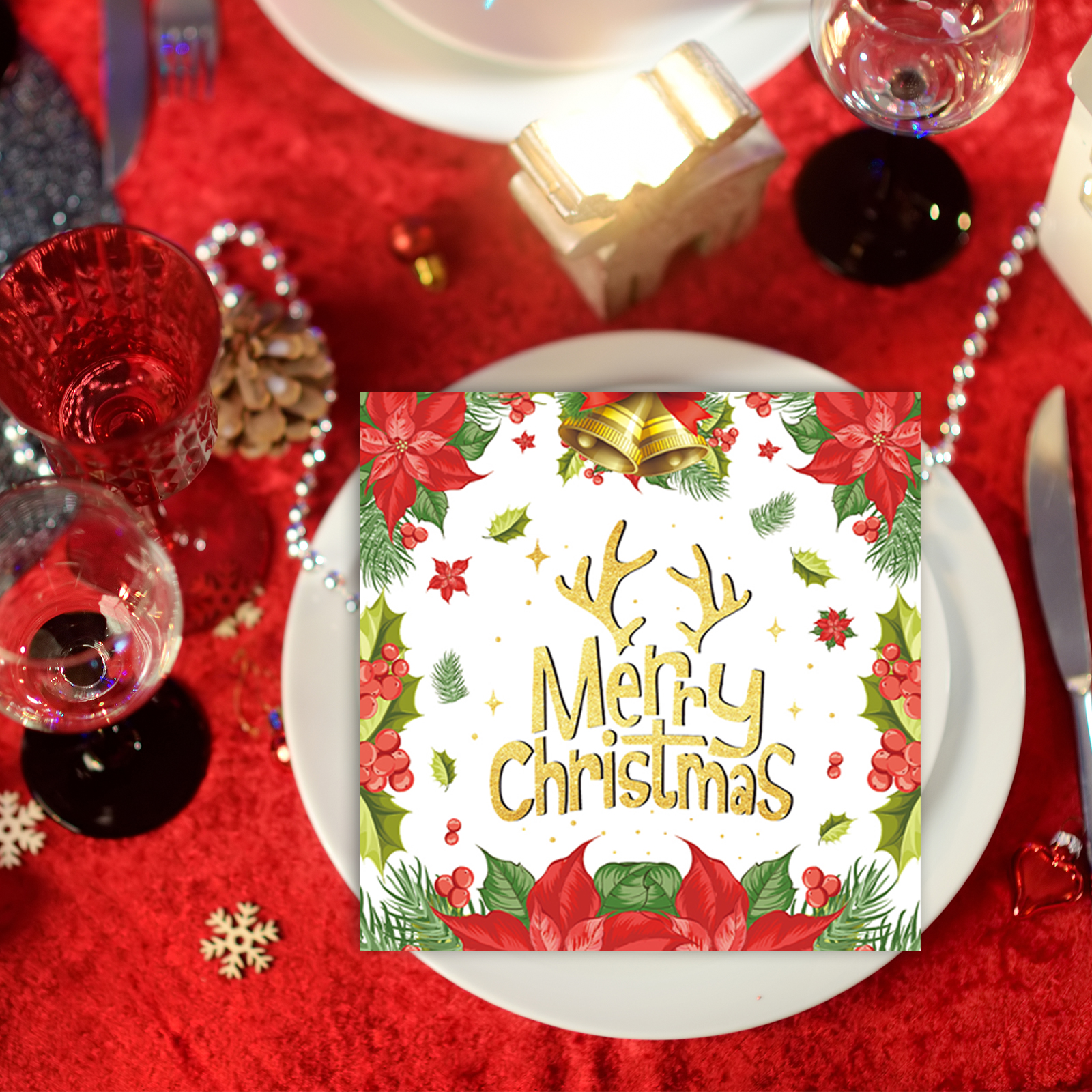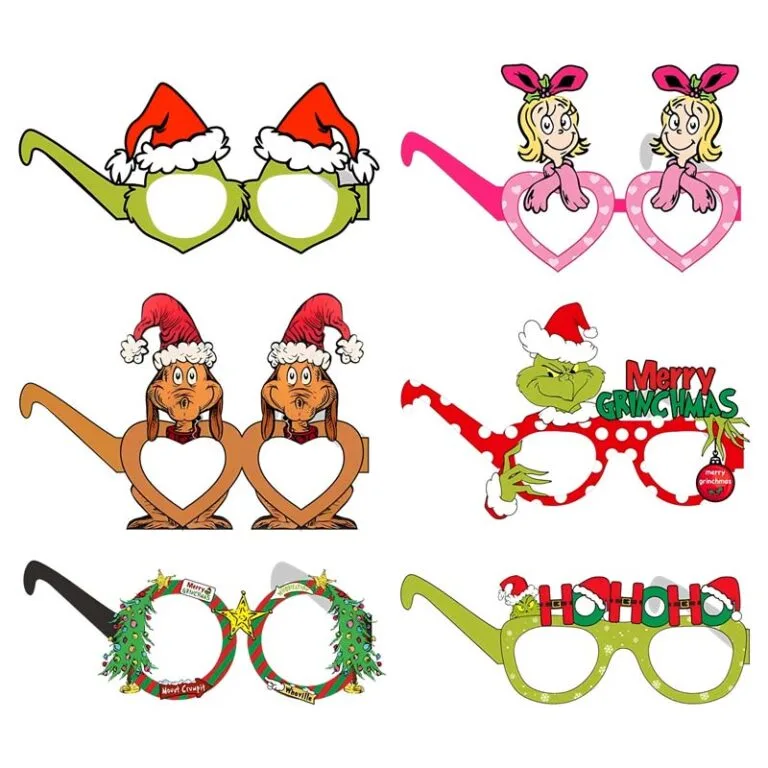

Trending novelty party products market analysis 2026: The global party supplies market is valued at roughly $18-20 billion in 2026, growing at an 8-9.5% CAGR toward $28-41 billion by the early 2030s, with novelty and themed products driving disproportionate growth as personalization, immersive experiences, and sustainability reshape what retailers need to stock. Balloons remain the largest single category, tableware is the fastest-growing by volume, and short-format “micro-experience” party kits are the newest trend gaining commercial traction.
Below is a full breakdown of the trending novelty party products market analysis for 2026, which occasions and themes are driving demand, and what it means for retailers deciding what to stock next.
Table of contents
- Market Size Snapshot: 2026 Party Supplies Industry
- What Are the Biggest Novelty Party Product Trends in 2026?
- What’s Driving Novelty Product Demand Specifically?
- To Whom Does PartySparkz Serve?
- Trending Novelty Themes by Occasion
- What Should Retailers Take Away From This Data?
- Where Can Retailers Verify This Data Further?
- Conclusion – Trending Novelty Party Products Market Analysis 2026
Market Size Snapshot: 2026 Party Supplies Industry
| Metric | Figure | Source Estimate |
| Global market size, 2026 | ~$18-20 billion | Multiple industry reports (ranges vary by methodology) |
| Projected CAGR | 6.2%-9.5% | Depending on report and forecast window |
| Projected market size, early 2030s | $28-41 billion | By 2034/2035 depending on source |
| Largest product category | Balloons | Consistently ranked #1 or #2 across reports |
| Fastest-growing category | Tableware/disposables | Driven by sustainable material shift |
| Dominant region | North America | ~33% global market share |
| Fastest-growing application segment | Corporate events | Driven by promotional activities, product launches, employee engagement |
Market share and CAGR figures vary meaningfully by research firm and methodology, but the directional story is consistent across nearly every report: this is a growing market where personalization, sustainability, and novelty/themed products are pulling growth disproportionately compared to generic, undifferentiated party goods.
What Are the Biggest Novelty Party Product Trends in 2026?
Six trends are shaping novelty product demand this year:
- Biodegradable and compostable décor with proof. Buyers increasingly expect verifiable sustainability documentation, not just marketing claims — compostable certifications and responsibly sourced paper materials are becoming purchase requirements rather than nice-to-haves.
- Dopamine-style saturated color palettes. Bold, highly saturated “dopamine dressing”-adjacent color stories are replacing muted or pastel-only palettes as the default aesthetic across balloons, tableware, and decor.
- Paper-first sustainable tableware. Paper-based tableware continues gaining share over plastic, driven by both regulatory pressure and consumer preference.
- Immersive lighting. LED and ambient lighting products are moving from accent pieces to central design elements, particularly for evening and adult-oriented events.
- Micro-experiences. Smaller, interactive activity products, such as mini games, photo-booth props, and tactile novelty items, are being added to standard party product assortments rather than sold as a separate niche category.
- Short-format, quick-setup party kits. Bundled kits that combine banners, balloons, and tableware into a single ready-to-use set are reshaping how both consumers and commercial buyers purchase, since they reduce decision fatigue and increase average order value.
Retailers stocking ahead of the season can find kit-style, ready-to-assemble products across nearly every occasion category — from birthday party supplies to wedding party supplies — since bundled formats are increasingly the default expectation across occasions, not just birthdays.
What’s Driving Novelty Product Demand Specifically?
A few forces are compounding to make novelty and themed products outperform generic party goods:
Social media continues to drive replication behavior. Constant exposure to decoration ideas, themes, and event set-ups on social platforms encourages consumers to recreate what they see online, which pushes demand toward visually distinctive, photographable products rather than plain, functional ones.
Personalization is now a mainstream expectation, not a premium add-on. Demand for personalized gift products and customized party items continues climbing, particularly around milestone birthdays and destination celebrations.
Corporate and destination events are growing faster than personal/home celebrations. The corporate segment is currently the fastest-growing application category, driven by product launches, employee engagement events, and promotional activities. Similarly, destination event demand is climbing — recent survey data found a large majority of consumers had attended or planned a destination wedding within the past year, a trend that pulls décor spending toward higher-end, more elaborate novelty product lines.
Adjacent novelty categories are cross-pollinating with party supplies. Novelty and gag items, sensory/fidget-style products, and squishy or tactile novelties — categories technically outside traditional party supplies are increasingly showing up as party favors and event giveaways, driven by the same viral social content dynamics fueling broader novelty product demand.
To Whom Does PartySparkz Serve?
- wholesale party decorations
- wholesale party supplies manufacturers
- wholesale party supplies for business owners
- wholesale party supplies for resale
- Wholesale party supplies for retailers
- wholesale party supplies for event planners
- wholesale party supplies for hotels
- event and party supplies wholesale
Trending Novelty Themes by Occasion
Novelty demand isn’t evenly distributed — certain themes and occasions are seeing disproportionate growth in 2026:
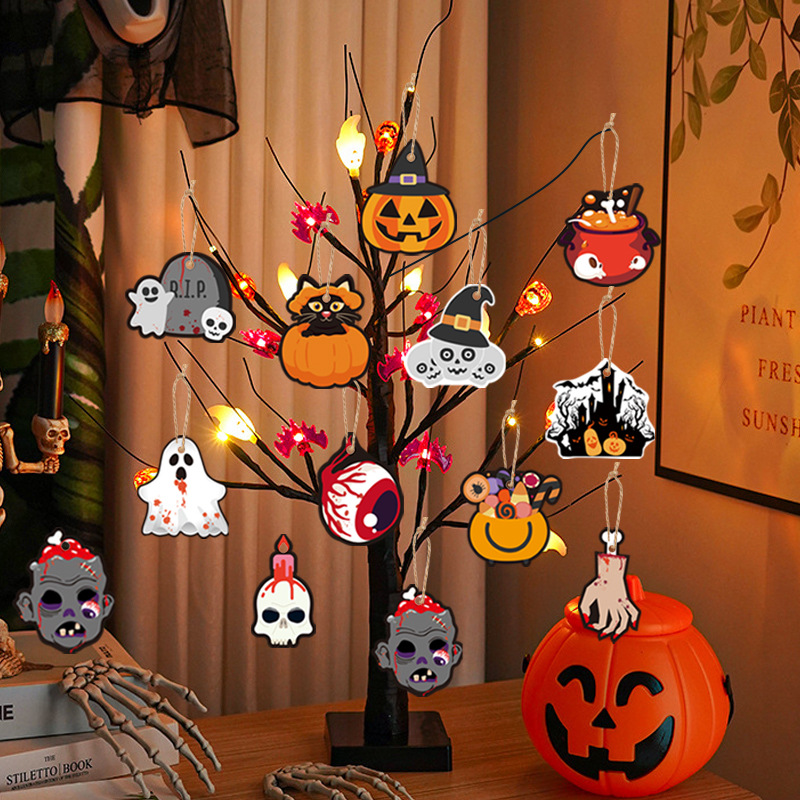
- Halloween remains one of the strongest novelty-driven occasions, with an unusually high consumer decoration participation rate and consistently record-breaking spending year over year. Retailers stocking Halloween party supplies should treat this as a core, not experimental, category.
- Retro and nostalgia-driven themes are performing well as novelty categories, tapping into “kidult” and nostalgia-collector culture that’s also fueling adjacent markets like plush and squishy toys. Retailers can capture this with retro decades party supplies and disco fever party supplies assortments.
- Immersive, escapist themes — tropical, adventure, and glamour concepts are riding the broader immersive-experience trend. Luau party supplies, jungle safari party supplies, and Hollywood red carpet party supplies all fit this pattern of consumers wanting a fully transportive, photographable environment rather than simple decor.
- Rainbow and saturated-color themes align directly with the dopamine-color trend noted above, making rainbow party supplies a strong match for the aesthetic driving 2026 novelty demand broadly, not just for a single occasion.
- Western and novelty character themes continue to hold steady demand for milestone and themed birthday events, covered well by western cowboy party supplies.
- Milestone and life-event categories — bachelorette party supplies, graduation party supplies, anniversary party supplies, and retirement party supplies — benefit directly from the personalization trend, since these occasions are inherently built around a specific individual rather than a generic seasonal theme.
- Baby and gender-reveal events continue to be a strong novelty and personalization category, reflected in demand for baby shower decorations and supplies.
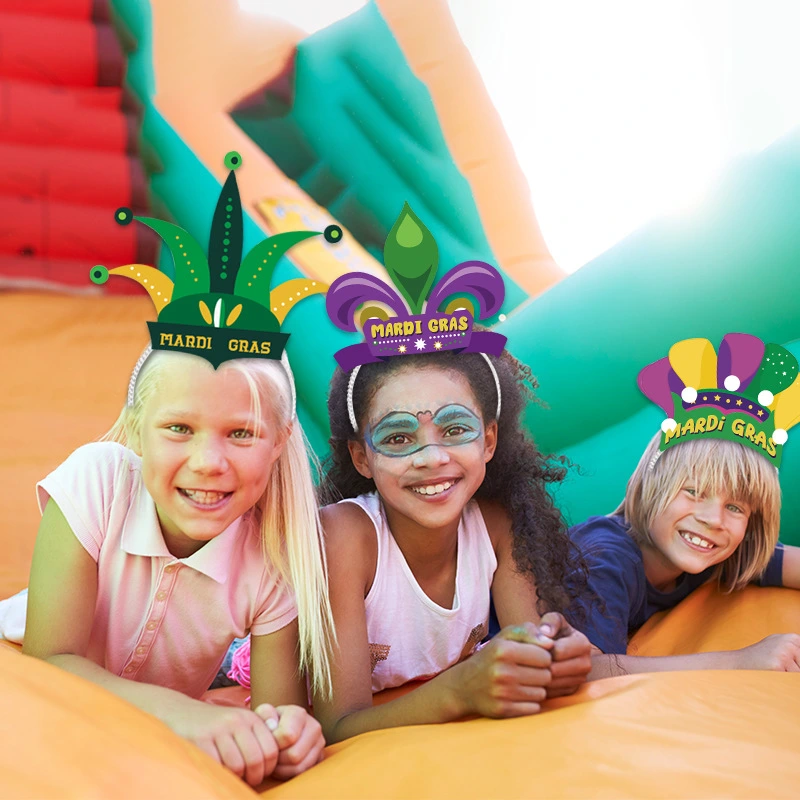
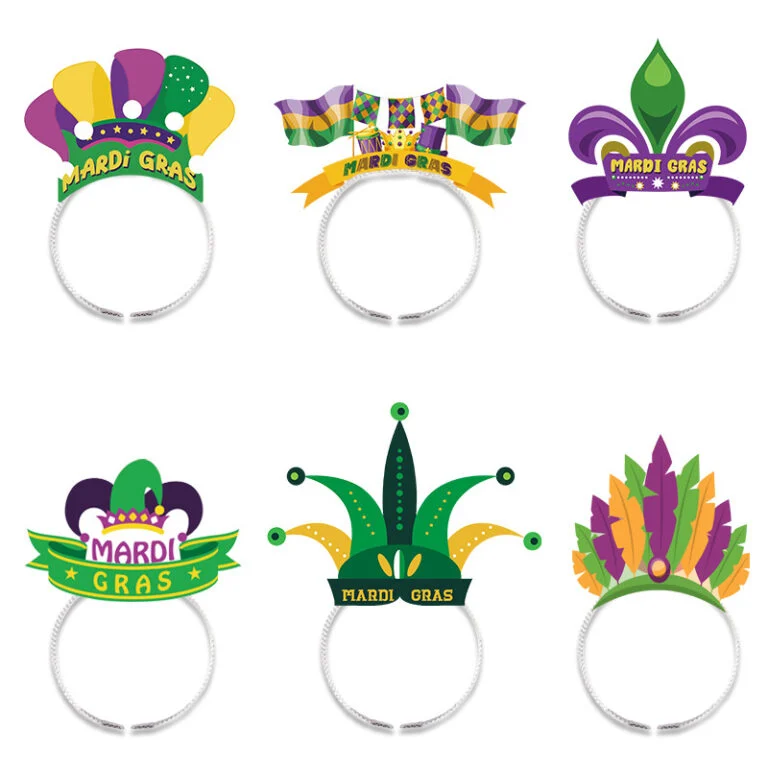
- Seasonal and cultural occasions — Mardi Gras, Cinco de Mayo, Oktoberfest, and St. Patrick’s Day celebration products — round out the novelty calendar with reliable, recurring demand windows that reward retailers who plan inventory around the broader cultural festival trend noted in current market research.
What Should Retailers Take Away From This Data?
A few practical implications follow from the trend data above:
- Stock bundled kits, not just individual SKUs. Since short-format party kits are one of the clearest 2026 trends, retailers building assortments around wholesale party decorations should prioritize suppliers who offer pre-coordinated sets over piecemeal individual items.
- Treat sustainability documentation as a sourcing requirement, not a differentiator. Buyers should be asking manufacturers directly for compostability certification and material sourcing proof before listing “eco-friendly” as a selling point.
- Weight inventory toward personalization-friendly categories. Milestone and life-event occasions (birthdays, graduations, retirements, bachelorette parties) benefit disproportionately from the personalization trend, making them lower-risk categories to invest in relative to purely novelty-driven trend items that can fade quickly.
- Corporate buyers are an underserved growth segment. Given that corporate events are currently the fastest-growing application category, retailers who haven’t historically marketed to business buyers may find real headroom by building out corporate/promotional event assortments alongside their consumer-facing catalog.
Retailers sourcing novelty and trend-driven categories directly from manufacturers can find deeper category-specific breakdowns through resources like wholesale party supplies manufacturers, while those newer to buying trend-sensitive inventory may benefit from starting with guidance built for wholesale party supplies for business owners, since novelty categories carry more obsolescence risk than evergreen tableware and balloons.
Where Can Retailers Verify This Data Further?
For retailers wanting to dig deeper into the spending and timing data behind these trends, two sources are worth bookmarking directly:
- The National Retail Federation’s Retail Holiday and Seasonal Trends research is the most authoritative source of US consumer spending data broken down by holiday and occasion, updated annually from large-scale consumer surveys.
- Faire’s 2026 Wholesale Buying Calendar offers a data-driven view of exactly when wholesale demand starts, accelerates, and peaks for each major seasonal occasion, based on aggregated global retailer search activity useful for timing novelty inventory orders against the trends covered above.
For retailers ready to act on this data, browsing an established catalog like PartySparkz’s wholesale party supplies or wholesale party decorations range is a practical way to see current novelty and themed product assortments already built around several of the trends covered above.
Must read – Vendors for Bulk Party Supplies for Corporate Events
Conclusion – Trending Novelty Party Products Market Analysis 2026
The global party supplies market is worth roughly $18-20 billion in 2026 and growing at an 8-9.5% CAGR, with novelty and themed products outperforming generic decor thanks to personalization, sustainability documentation, immersive lighting, and short-format party kits. Halloween, retro/nostalgia themes, immersive escapist themes (luau, jungle safari, Hollywood glamour), and milestone personal events are the clearest novelty growth categories for 2026, while corporate events represent the fastest-growing application segment overall. Retailers building novelty assortments should prioritize bundled kits, verified sustainability claims, and personalization-friendly categories to align with where the data shows demand actually moving.