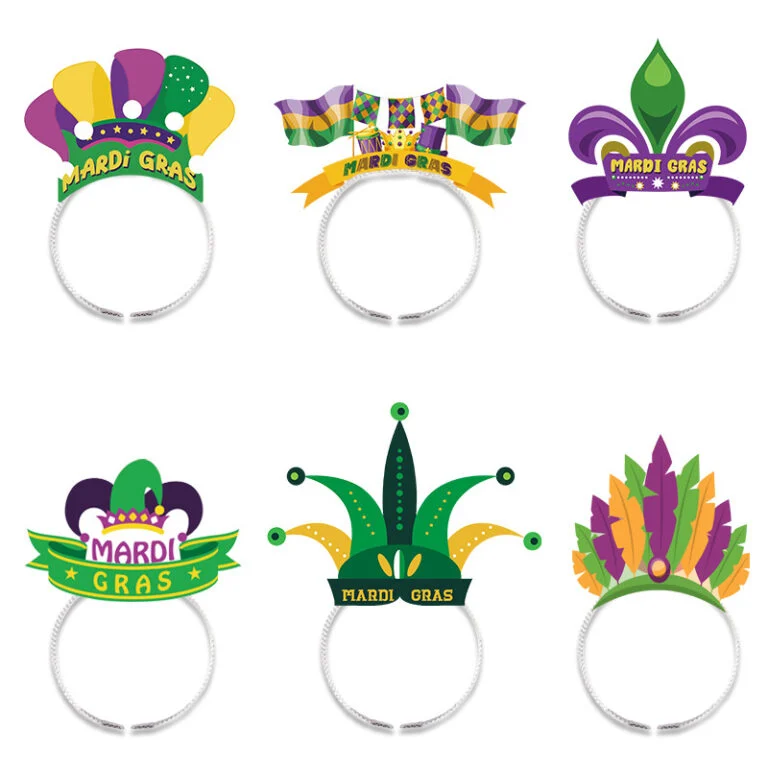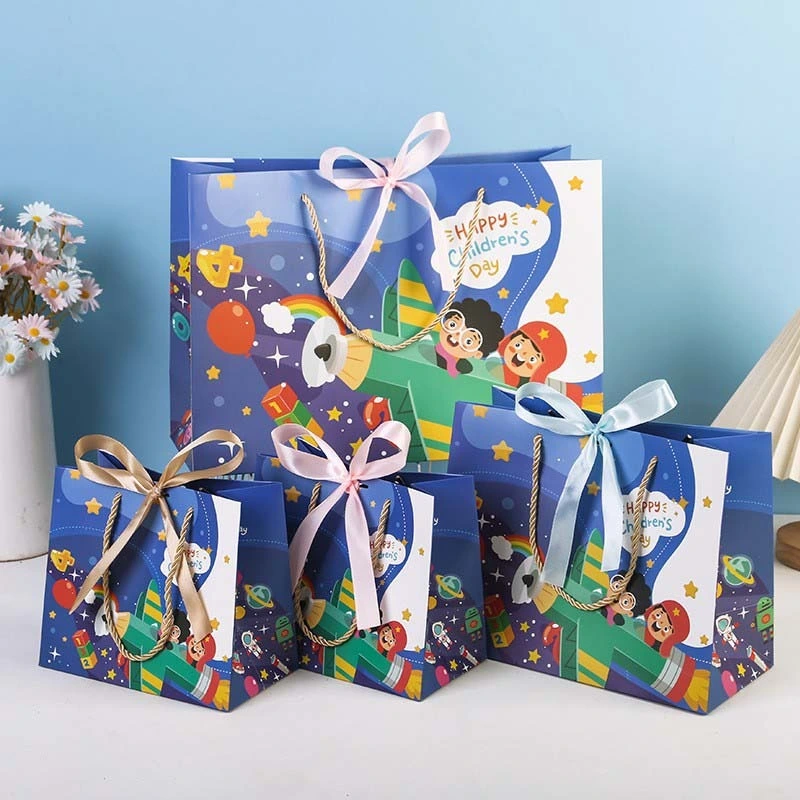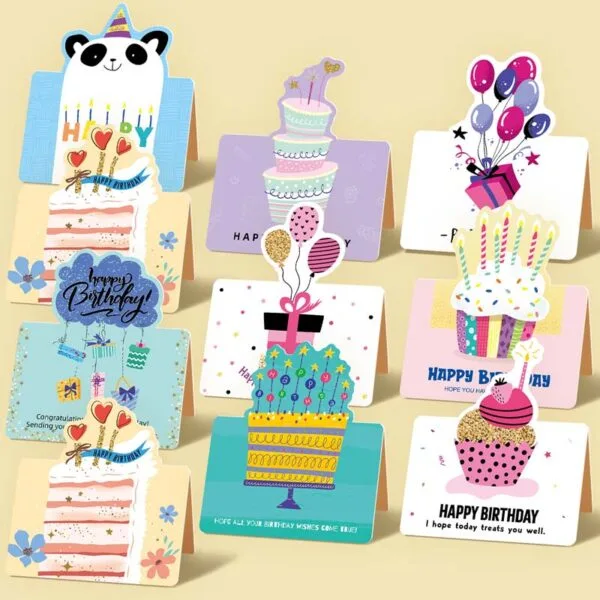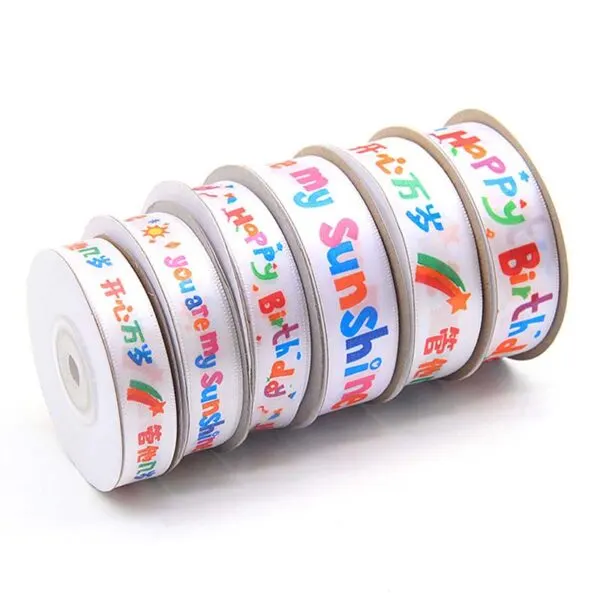
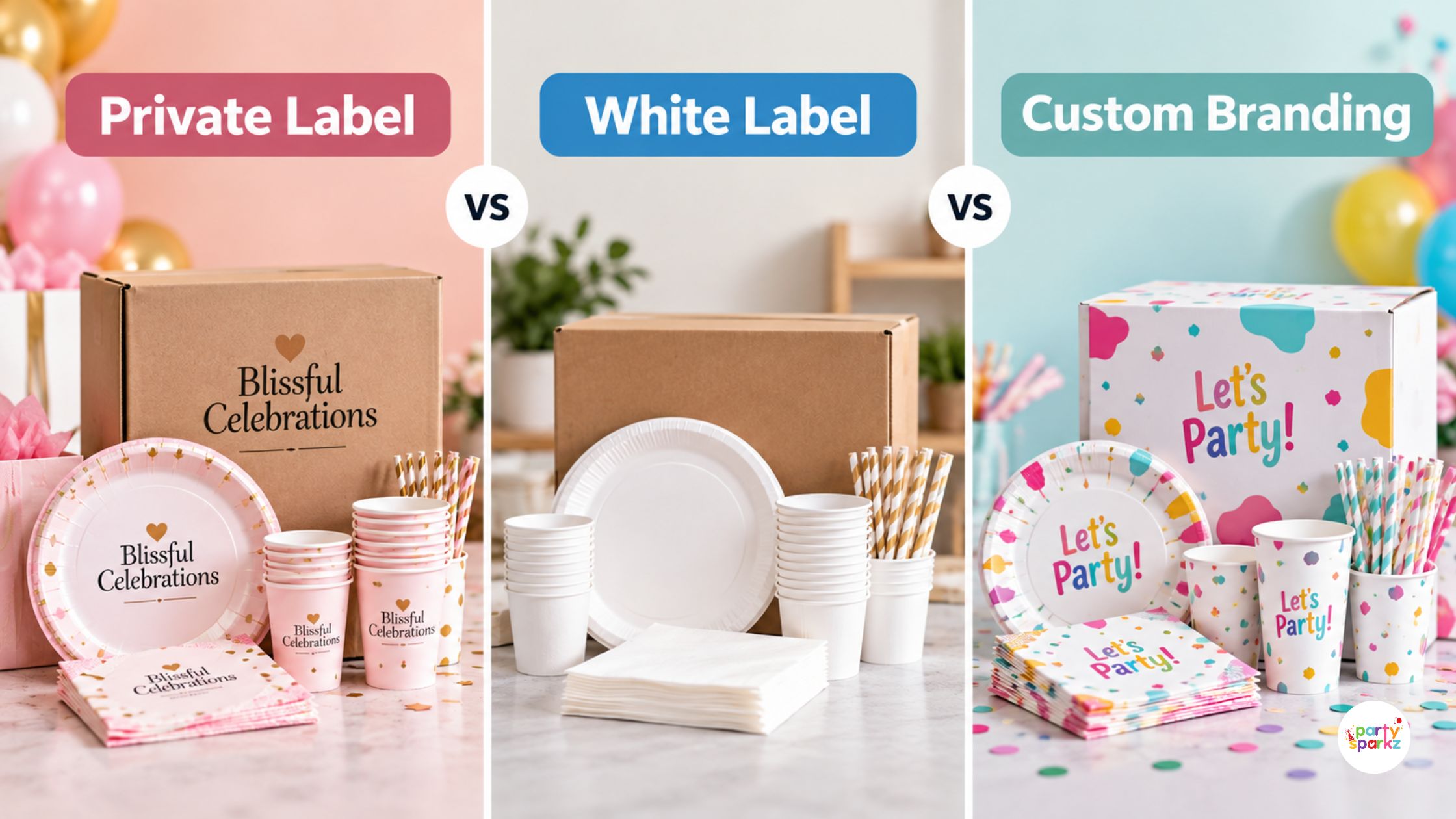
White label means putting your logo on a generic, pre-made party supply product that other retailers also sell under different brands. Private label means commissioning a product made exclusively for your brand, to your own specifications, that competitors can’t buy from the same factory. Custom branding sits in between — applying your logo, colors, and packaging to a manufacturer’s existing product line without the deeper exclusivity or design control of full private label. For party supply retailers, the right choice depends on how much you’re willing to invest upfront in exchange for how differentiated and defensible your product line becomes.
Here’s exactly how these three models differ, what each one actually costs and takes in the party supplies category specifically, and how to decide which fits your business.
Table of contents
- Quick Comparison: White Label vs. Private Label vs. Custom Branding
- What Is White Label in Party Supplies?
- What Is Private Label in Party Supplies?
- What Is Custom Branding in Party Supplies?
- How This Maps to Typical MOQ and Cost in Party Supplies
- Which Model Should a Party Supply Retailer Choose?
- Practical Party Supply Examples of Each Model
- Getting Started with the Right Model
- Where to Read More on This Distinction
- Quick Answer Recap
Quick Comparison: White Label vs. Private Label vs. Custom Branding
| Factor | White Label | Custom Branding | Private Label |
| Product itself | Generic, unchanged | Existing product, cosmetic changes only | Built to your exact specification |
| Exclusivity | None — sold to multiple retailers | Usually none, or limited | Fully exclusive to your brand |
| Customization | Logo/label only | Logo, color, packaging, minor variations | Full control: materials, design, packaging |
| Typical MOQ | Lowest | Low-to-moderate | Highest |
| Lead time | Fastest | Fast-to-moderate | Longest |
| Upfront cost | Lowest | Moderate | Highest |
| Competitive differentiation | Minimal — competitors can sell the identical item | Some — branding differs, product doesn’t | Strong — product and branding both unique to you |
| Best for | Testing a category fast, budget-conscious launches | Retailers wanting a branded look without full product development | Established retailers building a defensible, distinct product line |
What Is White Label in Party Supplies?
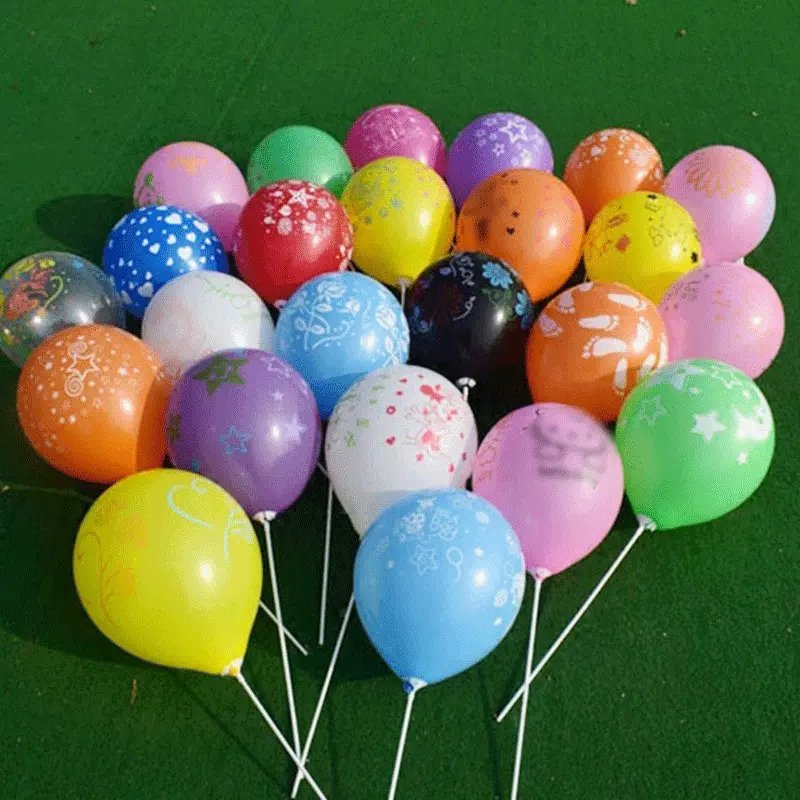
White label means a manufacturer produces a standard, generic product — a balloon set, a paper tableware pack, a gift bag — and sells that exact same item to multiple retailers, who each apply their own logo or label to it. The product inside the packaging is identical across every retailer selling it; only the branding on the outside differs.
For party supply retailers, white label is the fastest and lowest-cost way to get a branded product on shelf or online, since there’s no product development, no custom tooling, and no minimum design commitment beyond applying a label or simple packaging change. The tradeoff is exactly what you’d expect: since the underlying product is available to any retailer willing to buy it, white label offers essentially no product-level differentiation — two competing retailers could be selling the literal same balloon set with different stickers on the bag.
White label works best for retailers testing a new party supply category before committing further, or for evergreen, low-differentiation items — like standard latex balloons or basic paper plates — where customers aren’t choosing based on brand distinctiveness anyway.
What Is Private Label in Party Supplies?
Private label means a retailer commissions a product made to their own specification — specific colors, sizing, print design, packaging structure — and that product is then sold exclusively under their brand, with the manufacturer contractually restricted from selling the identical item to other buyers. Unlike white label, the product itself is different, not just the branding wrapped around it.
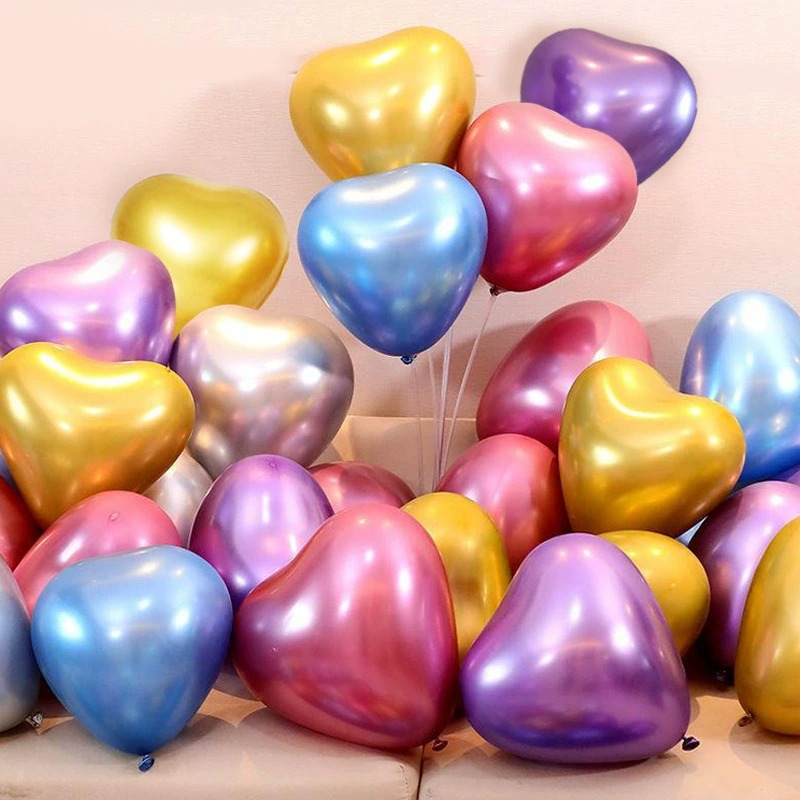
For party supplies, this might mean developing an exclusive balloon garland kit with a proprietary color palette, a coordinated tableware collection with original print designs, or a themed party kit built around a concept no other retailer has access to. Private label requires real upfront investment — sample rounds, design development, and typically a longer production lead time — but it’s what actually lets a retailer build a defensible product line customers can’t simply find cheaper somewhere else, since the exact item genuinely isn’t available anywhere else.
Private label makes the most sense once a retailer has validated demand for a category and has the capital and lead-time patience to invest in genuine product development rather than reselling an existing catalog item.
Also read: how seasonal demand affects party supply pricing and lead timesWhat Is Custom Branding in Party Supplies?
Custom branding sits between white label and private label, and it’s the term most often used loosely or interchangeably with either — which is exactly why it causes confusion. In practice, custom branding for party supplies typically means taking an existing product from a manufacturer’s catalog and applying your logo, brand colors, and custom packaging to it, without the manufacturer restricting that base product to your brand exclusively. This is functionally very close to what’s often called OEM (Original Equipment Manufacturer) production in the wholesale sourcing world — the underlying product design stays largely the manufacturer’s, but the branding and packaging layer becomes yours.
The key distinction from pure white label is that custom branding usually allows for some product-level customization — a specific color combination, a size variation, printed artwork on an existing balloon shape — even though the base product design still originates from the manufacturer’s standard catalog rather than being developed from scratch for your brand alone. The key distinction from private label is that custom branding generally doesn’t come with contractual exclusivity — a manufacturer offering custom branding to one retailer may still offer very similar customization services to a competitor.
How This Maps to Typical MOQ and Cost in Party Supplies
The general pattern holds consistently across party supply manufacturers: white label carries the lowest MOQ and cost because there’s no dedicated production run or design work involved, custom branding sits in the middle since it requires some setup (custom printing, packaging) but reuses existing product tooling, and private label carries the highest MOQ and cost since it requires a genuinely dedicated production run, potentially new tooling or molds, and a longer sample-and-approval cycle before mass production begins.
In practical terms for party supplies sourcing:
- White label orders can often start from very small quantities — sometimes as low as 50 sets — since no dedicated production run is required beyond pulling from existing stock.
- Custom branding (OEM) typically requires a moderate MOQ, often starting from several hundred pieces per SKU, since it requires a dedicated print or packaging run even if the base product is unchanged.
- Private label (closer to ODM — Original Design Manufacturer) generally requires the highest commitment, both in MOQ and in the 90-120 day development timeline needed to move from initial brief through design, prototyping, and sample approval before mass production even begins.
Which Model Should a Party Supply Retailer Choose?
The right choice depends on where a retailer is in their growth and how much risk they’re willing to take on:
- New retailers or those testing an unproven category should generally start with white label, since it lets you validate whether a product sells in your market with minimal upfront commitment.
- Retailers who’ve validated demand and want a recognizable brand presence without the cost of full product development are the best fit for custom branding — you get a branded look and some differentiation without betting heavily on an unproven original design.
- Established retailers building toward a genuinely distinct, defensible product line — particularly those competing in a crowded category where price alone isn’t a winning strategy — are the ones who benefit most from private label, since it’s the only model of the three that produces something competitors genuinely can’t undercut on an identical product.
- Retailers with limited cash flow or working capital should weigh the higher upfront cost and longer lead time of private label carefully against their ability to hold that capital tied up in inventory before it starts generating repeat sales.
A staged approach — starting with white label to test, moving to custom branding once a category is validated, and reserving full private label for a retailer’s proven, highest-volume products — is a common and lower-risk path through all three models rather than committing to the most expensive option from day one. Retailers newer to this decision can review guidance built for wholesale party supplies for business owners and wholesale party supplies for resale for help sequencing this progression against their own growth stage.
Practical Party Supply Examples of Each Model
To make this more concrete:
- White label example: A standard 12-inch latex balloon set, identical across every retailer selling it, with only the outer packaging carrying different brand logos.
- Custom branding example: A balloon garland kit using the manufacturer’s existing shapes and sizes, but produced in a retailer’s specific brand color palette with custom-printed packaging — the product structure is the manufacturer’s, the look is the retailer’s.
- Private label example: A fully original themed party kit — custom character designs, an exclusive color story, and bespoke packaging structure — developed from a retailer’s brief and available nowhere else, since the manufacturer is contractually restricted from selling that specific design to any other buyer.
Retailers exploring how these models work specifically with a factory-direct manufacturer can review wholesale party supplies manufacturers for how OEM (custom branding) and ODM (private label) production programs are typically structured, alongside white-label in-stock ordering options.
Getting Started with the Right Model
Buyers ready to move forward with any of these three approaches can browse the full wholesale party supplies catalog to identify white-label products available for immediate branding, or work directly with a manufacturer’s team to scope a custom branding or private label project. PartySparkz supports all three models under one factory relationship — white-label in-stock ordering from as few as 50 sets, OEM custom branding from 500 pieces, and full ODM private label development for retailers ready to build a genuinely exclusive product line — removing the need to manage separate supplier relationships as a retailer progresses from testing to full brand differentiation.
Also read – wholesale manufacturer contract terms
Where to Read More on This Distinction
Two resources worth reviewing for a broader, category-agnostic breakdown of these three models:
- Shopify’s guide to private labeling covers the exclusivity, customization, lead time, and cost differences between private and white label in a clear side-by-side format, along with current private-label market growth data.
- GTsetu’s complete guide to white label vs. private label manufacturing goes deeper into the manufacturer’s side of the relationship — how exclusivity commitments are typically structured in a supply agreement for each model.
Quick Answer Recap
White label means branding a generic product also sold to other retailers, with the lowest cost, MOQ, and lead time but minimal differentiation. Private label means commissioning a fully exclusive product built to your specification, with the highest cost and lead time but genuine competitive differentiation. Custom branding sits in between applying your branding and some customization to an existing product without full exclusivity, commonly referred to as OEM production. Most party supply retailers benefit from a staged approach: starting with white label to test a category, moving to custom branding once demand is validated, and reserving full private label investment for proven, high-volume products worth building a defensible brand around.